
Hokkaido Ski Resorts: Every Major Ski Mountain Compared for 2026–27
Niseko, Rusutsu, Kiroro, Furano, Tomamu, Sahoro, the Asahikawa mountains and Sapporo's own ski areas — with this winter's lift prices, passes and travel times from New Chitose, how Hokkaido compares with Hakuba, and the two new nonstop flights into Sapporo.
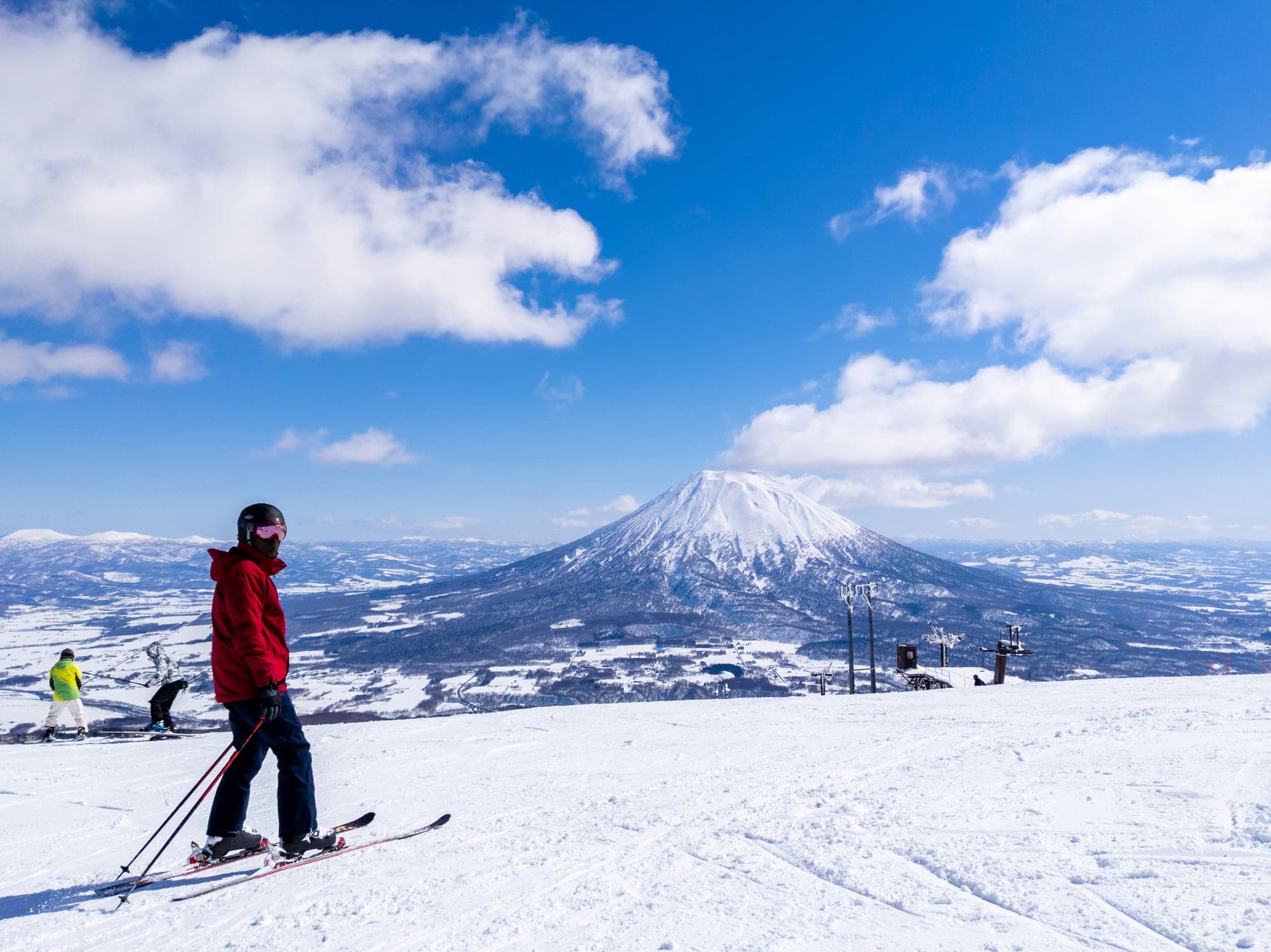
Hokkaido ski resorts are the reason a lot of skiers finally book that long-haul flight to Japan. Cold Siberian air crosses the Sea of Japan, picks up moisture and drops it on Hokkaido's mountains as light, dry powder, storm after storm, all winter. Onsen at the end of the day, ramen at the end of the night.
This guide compares every major ski resort in Hokkaido — from Niseko and Rusutsu in the west to Furano, Tomamu, Sahoro and the quiet mountains around Asahikawa — with this winter's lift prices (checked on each resort's own site on October 3, 2026), how long each takes from New Chitose Airport, and what each one is actually best for. Then it covers how Hokkaido compares with Hakuba, the new nonstop flights into Sapporo, and how to turn it into a trip.
Quick Answer: The Best Hokkaido Ski Resorts
- Best overall: Niseko United — four linked resorts, backcountry gates and the most English-friendly ski town in Japan.
- Best tree skiing without the crowds: Rusutsu, the closest big resort to New Chitose Airport.
- Driest snow and longest groomers: Furano, in the middle of the island.
- Best for families: Rusutsu and Tomamu, both self-contained resorts with plenty for non-skiers.
- Quietest and cheapest: Sahoro and the Asahikawa mountains (Kamui is ¥5,300 a day).
- When: January and February for powder; most resorts open in late November or early December.
Hokkaido Ski Resorts Compared
Adult one-day lift tickets for 2026–27 at the window; online prices are often lower.
| Resort | Area | The mountain | 1-day ticket | Pass | Best for |
|---|---|---|---|---|---|
| Niseko United | West (Shiribeshi) | about 1,050 m vertical | ¥12,600 (peak ¥13,500) | Ikon | Powder, backcountry gates, nightlife |
| Rusutsu | West (Shiribeshi) | 3 mountains, 3.5 km longest run | ¥16,700 (¥13,200 online) | Epic | Tree skiing, families |
| Kiroro | West, near Otaru | 24 trails, 14 tree areas | see resort | — | Deep snow close to Sapporo |
| Sapporo Teine | Sapporo | 1,023 m top, 683 m vertical | ¥9,800 | — | A day on the 1972 Olympic slopes |
| Sapporo Kokusai | Sapporo | 7 courses, 3.6 km longest | ¥7,000 | — | A long season, November to May |
| Furano | Central | 1,074 m top, 839 m vertical | ¥9,000 | Ikon | Dry inland powder, long runs |
| Tomamu | Central | 1,171 m top, 585 m vertical | ¥9,500 (¥9,200 online) | — | Families, the Ice Village |
| Sahoro | Central | 21 courses, 3 km longest | ¥9,300 | — | Empty runs, Club Med |
| Kamui Ski Links | Asahikawa | 751 m top, 601 m vertical | ¥5,300 | — | Quiet powder for less |
| Asahidake | Daisetsuzan | Ropeway to 1,600 m | Ropeway ¥2,800 return | — | Backcountry touring |
Prices are up at most Hokkaido ski mountains this winter — Furano by ¥1,000 a day, Sapporo Teine by ¥400 — so last season's numbers in older guides will undersell the cost. If you want the whole country compared rather than just this island, see our ranking of the best ski resorts in Japan.
Western Hokkaido: Niseko, Rusutsu and Kiroro
The west of the island, around Mount Yotei, gets the heaviest snow and the most famous names. All three resorts are reached from New Chitose Airport.
Niseko United
Niseko links four resorts on Mount Niseko Annupuri — Grand Hirafu, Hanazono, Niseko Village and Annupuri — through their top lifts, and one All Mountain Pass covers all of them. Ikon puts the whole area at 2,889 acres with 3,438 feet (about 1,050 m) of vertical and an average of 590 inches (about 15 m) of snow a season. For 2026–27 the season runs November 28 to May 5 (Niseko Village closes April 4 and Hanazono April 11), with night skiing from December 12 to March 22. An adult day is ¥12,600 in the regular season and ¥13,500 at peak, December 24 to February 28.
Grand Hirafu has most of the restaurants, bars and rental shops; Hanazono is calmer, with strong beginner terrain; Niseko Village is building a new gondola in phases; Annupuri is the mellow one, with long cruising runs and fewer lift queues. Backcountry is through gates only, under the Niseko Rules: never duck a rope, and stay out when the gates are shut. From New Chitose, resort buses take about two and a half to three hours.
Rusutsu
About 40 minutes from Niseko by road, Rusutsu gets the same deep, dry powder without the same crowds. It covers three mountains — West Mountain, East Mountain and Mount Isola — with 37 trails, four gondolas and 14 lifts (Epic's count), and its longest run, Isola Grand, is 3,500 m. West Mountain is the gentle side, with wide runs for beginners; East Mountain and Isola have the steeper pitches and the tree skiing Rusutsu is known for. It's a proper resort setup with a big base hotel, and the closest major ski resort to New Chitose Airport.
One thing to plan for: a regular-season day ticket is ¥16,700 at the window but ¥13,200 online (December 19 to March 14), so buy ahead. Night skiing runs 16:00–20:00 from mid-December to March 30.
Kiroro
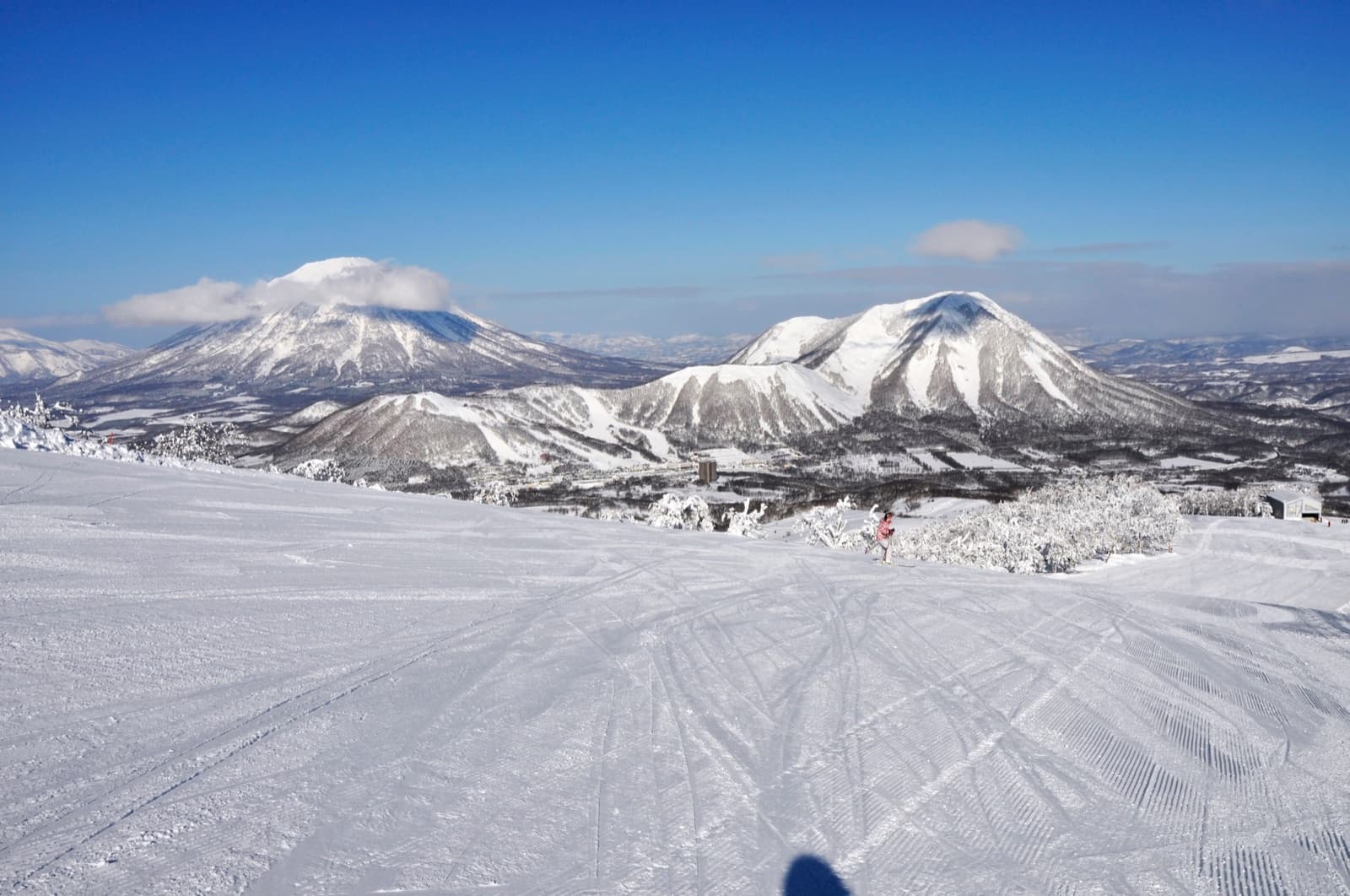
Kiroro sits inland from Otaru, closer to Sapporo than Niseko is, and buries itself in snow. It has 24 trails, 10 lifts including a gondola, and 14 marked tree-run areas, with big resort hotels at the base. It's a strong pick for powder hunters who want to stay near Sapporo.
Sapporo's Own Ski Areas
If you want to stay in the city and still ski, Sapporo has ski areas inside its city limits. They're fine for a day out or a warm-up; for a full ski week, stay at the mountain.
- Sapporo Teine: the 1972 Olympic slopes, with 15 runs, 683 m of vertical and a longest run of about 6 km. It opens on November 21 for 2026–27; an adult day is ¥9,800 at the window or ¥8,800 online. Take the JR train from Sapporo to Teine (from 11 minutes, ¥360), then the bus — 16 minutes to Olympia, 28 to Highland.
- Sapporo Kokusai: one of the longest seasons on the island, November 20 to May 5, with an 8-seat gondola and a 3.6 km longest run. ¥7,000 a day. Its ski bus from central Sapporo needs a reservation.
- Sapporo Bankei and Sapporo Moiwa: small hills about 20 minutes from the city center, with night skiing — handy for an evening run.
Central Hokkaido: Furano, Tomamu and Sahoro
Central Hokkaido is inland, so it's colder, and the snow is often even drier and lighter than at the coast-facing resorts. It's also where we build most of our Hokkaido trips.
Furano
Furano offers extra-dry inland powder and beautifully groomed runs in one resort, with views of the Tokachi range. It has two zones, Furano and Kitanomine, with 28 courses, a 101-person ropeway and a gondola, and 839 m of vertical from a 1,074 m top. FIS World Cup courses sit alongside ungroomed powder runs. For 2026–27 the season runs November 28 to May 5 (Kitanomine late December to March 22 only), an adult day is ¥9,000, and children up to elementary school ski free. Furano is on the Ikon Pass.
Getting there: the Hokkaido Resort Liner runs from New Chitose to Furano (¥6,000, booking required), or fly into Asahikawa Airport and take the Lavender bus, about an hour to Furano Station. The volcano above the area, Tokachi-dake, has been at alert level 3 since September 12, 2026; Furano says its hotels, ski area and access roads are outside the restricted zone and operating normally.
Hoshino Resorts Tomamu
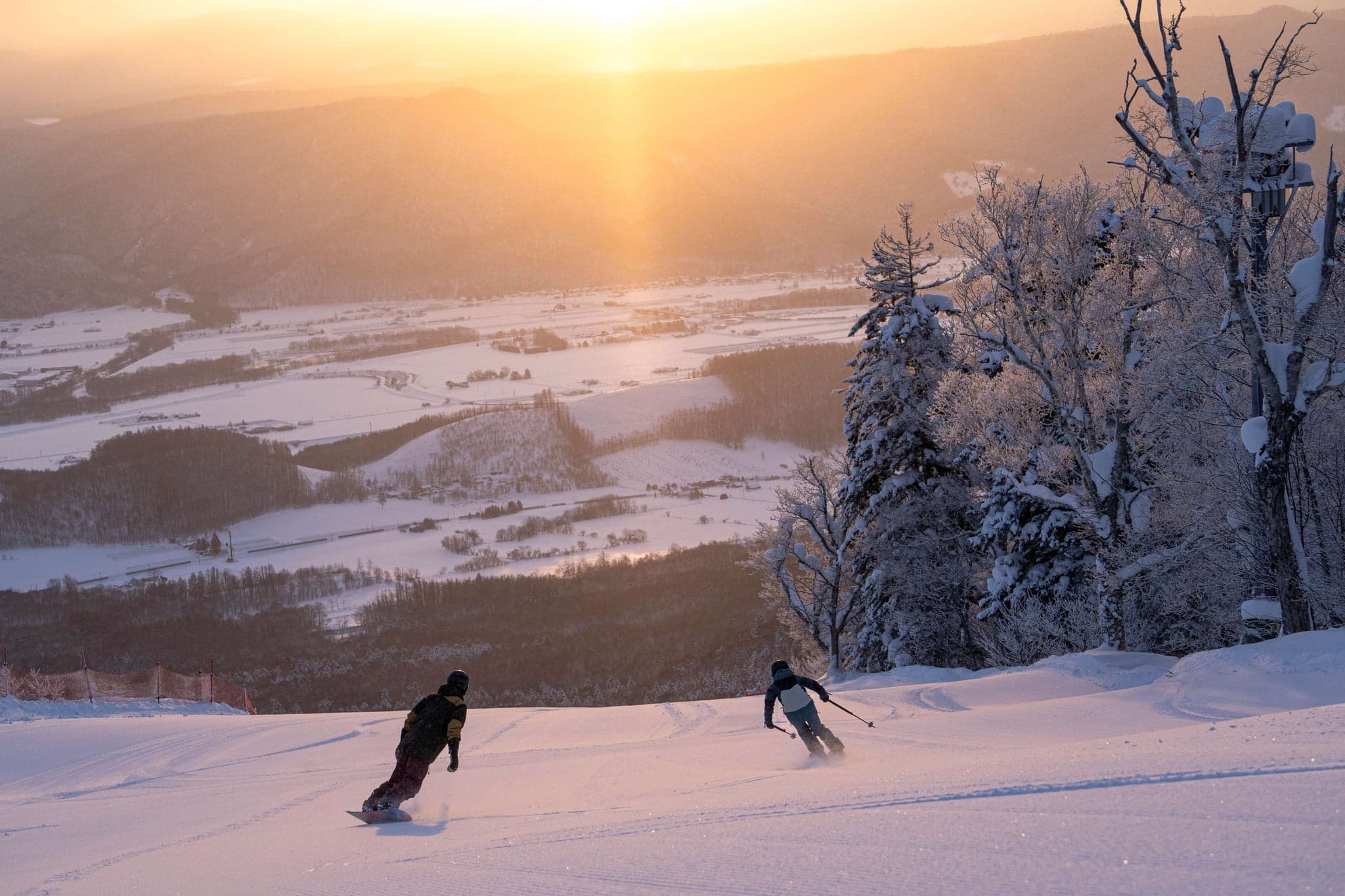
Tomamu is a self-contained family resort: 29 courses, a longest run of 4.2 km, a gondola and an Ice Village of ice domes open in the evenings (December 20 to March 10, tentatively, ¥600, free for hotel guests). It has its own JR station — every limited express stops there — about 90 minutes from New Chitose, with a free shuttle to the hotels. The 2026–27 season runs December 1 to April 5; a day is ¥9,500 at the counter or ¥9,200 online. English group lessons are for adults; kids' lessons are in Japanese.
Sahoro — the one nobody has heard of
Sahoro sits east of Furano on the Karikachi Pass, with 21 courses, a 3 km longest run and Club Med at the base. It's small by Niseko standards, rarely has a lift line, and pairs naturally with Furano on a two-resort trip. A 2026–27 adult day is ¥9,300 (¥4,700 in the opening and final weeks). It's about 1 hour 50 minutes from New Chitose by car; by train, it's JR Shintoku Station, where the hotel shuttle meets guests.
Asahikawa and Daisetsuzan
Asahikawa is Hokkaido's second city and a base for a ski safari rather than a resort in its own right. It's the cheapest way into Hokkaido powder and the most genuinely off the beaten path.
- Kamui Ski Links: 26 courses and 601 m of vertical from a 751 m top, with marked tree runs. ¥5,300 a day, unchanged this winter. About 40 minutes by the Dohoku bus from JR Asahikawa Station (¥1,000 last winter).
- Pippu: a town-run hill with nine courses, a 2.2 km longest run and night skiing to 20:30; last winter's day ticket (¥3,800) included a bath.
- Nayoro Piyashiri: 13 courses and a 1.4 km tree-run area that you register for before using; opens December 11 for 2026–27, with free lifts on December 12. ¥4,300 a day.
- Asahidake: a single ropeway to 1,600 m in Daisetsuzan National Park and ungroomed slopes below — the gateway to serious backcountry. The ropeway reopens on December 11 after its maintenance break; ¥2,800 return.
- Kurodake (Sounkyo): a ropeway and chair to 1,520 m with a long season, December 1 to May 5; ¥5,200 for the ropeway and lift together.
Backcountry: go with a guide
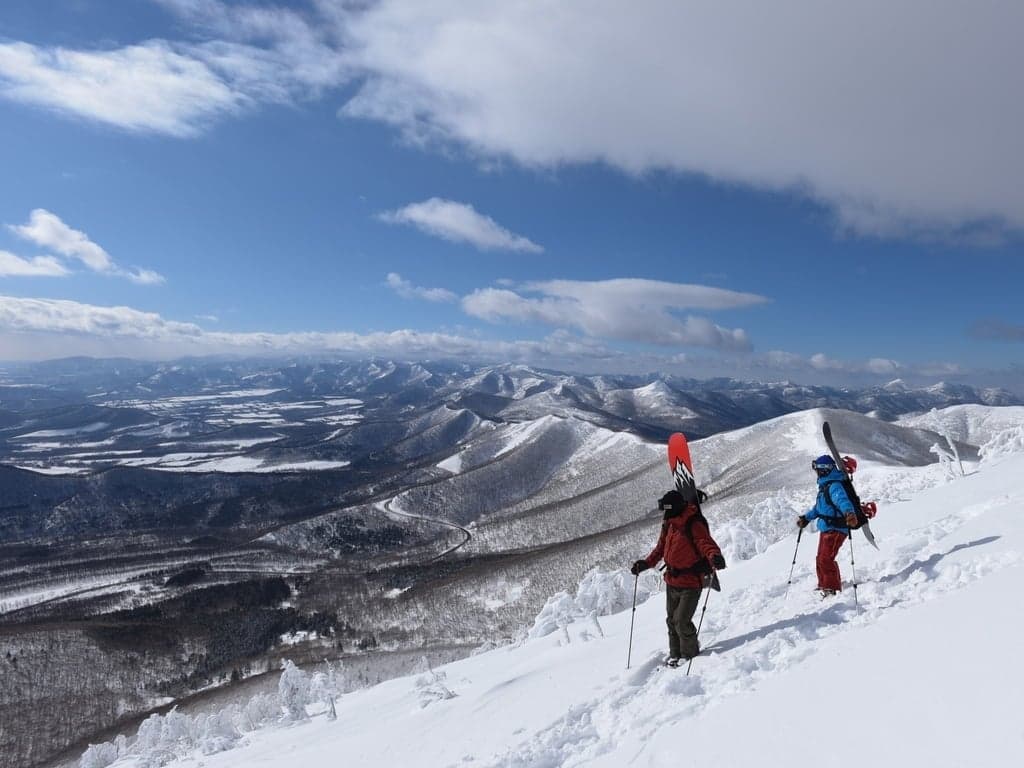
Serious backcountry touring here is not to be underestimated. Daisetsuzan is a mountaineering environment, temperatures of −20°C and lower are normal, and the official survival map at Asahidake tells you to carry a transceiver, shovel and probe outside the courses. Guiding isn't included in self-guided packages, ours included, so book a certified local guide for the days you want it.
Is Hokkaido or Hakuba Better for Skiing?
It's the question everyone asks. Hokkaido wins on snow quality: the cold and the coastal position produce the lightest, driest powder in Japan, and the resorts are spread out, with big open tree runs and quieter villages. Hakuba and the rest of Nagano win on access and variety: three hours from Tokyo by Shinkansen and bus, ten resorts under the Northern Alps, and easy to combine with Kyoto or Kanazawa.
If you're a powder purist and don't mind the extra flight, Hokkaido. If you have one week and want Tokyo in it, Nagano usually wins. Or do both: our Rusutsu & Hakuba Tsugaike route puts four nights in each. Our Nagano ski resorts guide compares the other side.
New Chitose Airport and the New Nonstop Flights
New Chitose Airport (CTS) is the gateway for Niseko, Rusutsu, Kiroro, Tomamu and Sahoro, and the JR rapid train to Sapporo takes from 37 minutes. Domestic flights from Tokyo Haneda run constantly and take about 90 minutes. The 2026–27 season is the first where two long-haul markets can skip Tokyo entirely.
Qantas: Sydney to Sapporo
Qantas flies Sydney (SYD) to New Chitose nonstop as QF107/QF108, using an Airbus A330-200 with 255 seats (27 business, 228 economy). For 2026–27 the airline is running more than 50% more capacity than last season — over 10,000 extra seats, for a total of roughly 35,000.
✈️ Qantas Sydney–Sapporo, 2026-27 season
| Period | Flights per week | Days |
|---|---|---|
| 7 – 15 December 2026 | 3 | Mon, Wed, Sat |
| 16 Dec 2026 – 31 Jan 2027 | up to 5 | Mon, Wed, Thu, Sat, Sun |
| 1 – 28 February 2027 | 4 | Mon, Wed, Thu, Sat |
| 1 – 31 March 2027 | 3 | Mon, Wed, Sat |
Schedule as announced by Qantas, 29 January 2026.
United: San Francisco to Sapporo
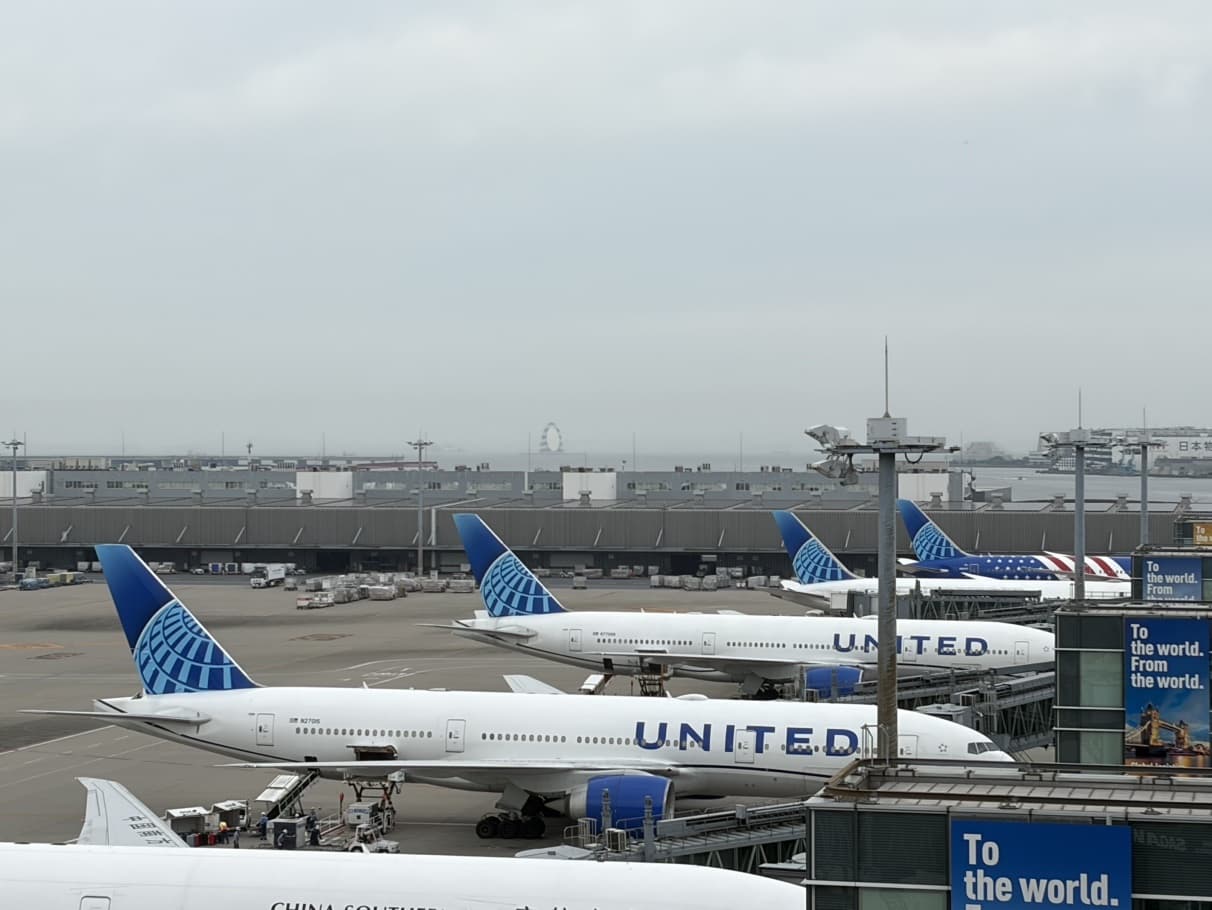
United flies San Francisco (SFO) to New Chitose as UA234/UA235 on a Boeing 787-9 with 257 seats (48 business, 21 premium economy, 188 economy), three times a week from 11 December 2026 through 26 March 2027. Westbound operates Sunday, Wednesday and Friday; eastbound Monday, Thursday and Saturday. It's the first nonstop service between the continental United States and Sapporo.
Both services are seasonal and the frequency changes by date range, so check the current schedule before you lock in dates. Outside these windows, connect through Tokyo Haneda. For Furano and Asahidake, Asahikawa Airport is a shorter ride, though most people still route through Chitose because there are more flights.
Getting from the airport to the snow
This is where Hokkaido ski trips actually go wrong: a delayed flight, a missed resort bus and two hours in the cold. Many airport buses — including the Hokkaido Resort Liner to Furano and Tomamu (¥6,000) — need booking, and they all assume you land on time.
Our Hokkaido packages solve it differently: our staff meet you at New Chitose Airport, and a chartered taxi to your hotel is included, plus a chartered hotel-to-hotel transfer on the day you change resorts.
Ikon, Epic and Lift Tickets in Hokkaido
- Ikon Pass: Niseko United and Furano — 7 days each on the full pass, 5 on the Base Pass. The Base Pass has blackout dates at Niseko, so check Ikon before booking flights around it.
- Epic Pass: Rusutsu. You need the physical Epic card — the mobile pass doesn't work at the lifts.
- Day tickets: almost every resort now sells cheaper tickets online (Rusutsu ¥3,500 less a day, Teine ¥1,000, Tomamu ¥300), and most have cheaper early-season and spring rates either side of the main season.
- Kids: children up to elementary school ski free at Furano; at Niseko, the child rate covers ages 4–12.
If you hold an Ikon Pass, a trip that pairs Rusutsu (Epic) and Furano (Ikon) means one resort on your pass and one on day tickets — our Ikon Pass Japan guide has the details.
When to Go: The 2026–27 Season
- Late November: Kokusai (November 20), Teine (21), Niseko and Furano (28) open first. Coverage is patchy early on.
- December: Tomamu and Kurodake open on December 1, Asahidake's ropeway and Nayoro on December 11; the rest follow through the first half of the month.
- January–February: peak powder. Cold, snowy and reliable — and the busiest, most expensive weeks.
- March: softer snow, sunnier days, fewer people.
- April to May 5: spring skiing at Niseko, Furano, Teine, Kokusai and Kurodake; Tomamu closes April 5.
For how Hokkaido's season compares with Honshu, see our Japan ski season 2026–27 guide; for everything else about winter on the island, our Hokkaido in winter guide.
From our Japan travel team
Weather in Hokkaido in January can shut down roads and flights with little warning, so building slack days into a ski trip is smart. Every self-guided tour we run comes with 24/7 support from our on-the-ground operators and travel insurance, so if a storm delays your transfer from New Chitose Airport or cancels a day, you get practical help quickly rather than sitting on hold. Just ask and we'll help you plan around the weather.
Sample Hokkaido Ski Trips
- 8 days, city plus skiing: three nights in Sapporo, then four at Rusutsu or Furano.
- 8–11 days, two resorts: Rusutsu for trees, then Furano for inland powder — or Sahoro and Furano, five nights each.
- 12 days with an onsen: Rusutsu, a night at Jozankei Onsen, Sapporo, then Furano.
- Quiet and cheap: nine nights in Asahikawa, skiing Pippu, Nayoro Piyashiri and Kamui.
Two resorts in one trip is realistic; three starts to feel rushed. Transfer times on the island are long, so plan each move as a travel day.
Common Mistakes to Avoid
Under-booking accommodation. Rooms in January and February sell out months ahead, especially over the New Year holidays and around Chinese New Year.
Trying to hit too many resorts. Two in ten days is plenty.
Turning up for an airport bus without a reservation. Many need booking a day or more ahead.
Renting a car without winter driving experience. Icy roads and whiteouts happen. Take the bus, the train or a transfer.
Buying day tickets at the window. At Rusutsu the online price is ¥3,500 less.
Ducking ropes. Use the gates. Rescues are charged to you.
Our Hokkaido Ski Routes — and Why Not Niseko
Worth being straight about: we don't sell Niseko, Kiroro, Tomamu or Sapporo's ski areas. They're in this guide because you can't compare Hokkaido ski resorts honestly without them. Our range is built around Rusutsu, Furano, Sahoro and Asahikawa — mountains with the same island snow and far fewer people, usually paired two to a trip, with Sapporo or an onsen town such as Jozankei or Noboribetsu at either end.
Every route includes accommodation with breakfast, travel insurance and 24/7 support in Japan, and our staff meet you at New Chitose Airport. Lift passes are excluded on all but one — the Sahoro and Furano trip sold with the pass bundled — so you can see exactly what bundling costs. Prices are per person and move with the date and room type.
| Route | Length | From (USD per person) | Shape |
|---|---|---|---|
| Sapporo Discovery & Rusutsu Ski (HK005) | 8 days | $2,400–4,800 | Three nights in Sapporo, four at the Rusutsu Resort Hotel & Convention. |
| Rusutsu & Furano Ski Journey (HK007) | 8 days | $3,400–5,100 | Four nights at Rusutsu, three at Furano Resort Orika. |
| Rusutsu Ski with Sapporo & Noboribetsu Onsen (HK008) | 8 days | $2,900–5,100 | Sapporo, a night at a Noboribetsu onsen hotel, then four nights at Rusutsu. |
| Sapporo City Break & Furano Ski (HK004) | 8 days | $3,200–3,600 | Three nights in Sapporo, four in Furano; skis forwarded from the airport. |
| Asahikawa Ski Safari: Pippu, Nayoro Piyashiri & Kamui (HK003) | 10 days | $2,900–3,300 | Nine nights in Asahikawa, skiing three small mountains. |
| Sahoro & Furano Ski Journey (HK002) | 11 days | $4,200–4,900 | Five nights at the Sahoro Resort Hotel, five at Furano Resort Orika. |
| Sahoro & Furano with Lift Tickets (HK102) | 11 days | $5,500–6,200 | The same trip with the Sahoro and Furano lift pass and five dinners included. |
| Rusutsu & Furano Ski with Hokkaido Highlights (HK006) | 12 days | $4,700–6,400 | Rusutsu, a night at Jozankei Onsen, Sapporo, then Furano. |
| Rusutsu & Hakuba Tsugaike Ski Journey (HK001) | 11 days | $4,300–5,900 | Four nights at Rusutsu, then four in Hakuba Tsugaike on Honshu. |
Interested in a tour? Click the route name above, or search by route code in the top-right Search bar.
One caveat on the Asahikawa safari: the bus between the hotel and Kamui Ski Links isn't included, so budget for it on those days. The full price list is in our Japan ski packages guide.
From our Japan travel team
Skiing in Japan gets more popular every year, and a great many visitors now come specifically for the powder snow. With new and expanded nonstop flights into New Chitose Airport this winter, the slopes are expected to get even busier. If you're thinking about a ski trip, please get in touch early — we'll suggest the ski resorts that suit you best.
Not sure which Hokkaido ski resort suits your group, or how to get there with your gear? Get in touch through Plan My Trip on our self-guided tours site, and we'll suggest the tours that best fit your dates and plans.
FAQ
What is the best ski resort in Hokkaido?
Niseko United for powder, backcountry gates and English-language services; Rusutsu for tree skiing with fewer people; Furano for the driest snow and long groomed runs. For a quiet trip on a budget, Sahoro or the Asahikawa mountains.
Which Hokkaido ski resort is best for beginners?
Rusutsu's West Mountain, Furano and Tomamu all have wide, gentle slopes and lessons; at Niseko, Hanazono and Annupuri are the easiest places to learn. In peak season, book lessons ahead.
Is Hokkaido or Hakuba better for skiing?
Hokkaido for lighter, drier powder and tree skiing; Hakuba for easy access from Tokyo and more variety in one valley. With one week and Tokyo on the plan, Hakuba is simpler.
How much are lift tickets in Hokkaido for 2026–27?
Adult day tickets at the window: Niseko ¥12,600 (¥13,500 at peak), Rusutsu ¥16,700 (¥13,200 online), Furano ¥9,000, Tomamu ¥9,500, Sahoro ¥9,300, Sapporo Teine ¥9,800 and Kamui ¥5,300.
Can I fly to Sapporo without connecting in Tokyo?
This winter you can from two cities: Qantas flies Sydney–New Chitose up to five times a week between 16 December and 31 January, and United flies San Francisco–New Chitose three times a week from 11 December 2026 to 26 March 2027. Otherwise, connect through Tokyo Haneda.
Do I need a rental car in Hokkaido for a ski trip?
No. Airport buses, trains and transfers cover the major resorts, and our Hokkaido packages include chartered taxis from New Chitose. Save yourself the icy roads.
How many days should I spend skiing Hokkaido?
A week is a comfortable minimum: a travel day at each end and five days on snow. Ten days lets you split between two resorts without rushing.
Last updated: October 3, 2026. Lift prices, seasons and resort figures checked that day on each resort's own site (Niseko United, Rusutsu, Kiroro, Sapporo Teine, Sapporo Kokusai, Furano, Tomamu, Sahoro, Kamui Ski Links, Pippu, Nayoro Piyashiri, Asahidake and Kurodake); Ikon and Epic access from their own sites; Tokachi-dake alert level from the Japan Meteorological Agency and Furano's notice of September 15, 2026. Flight schedules are as published by Qantas (media release, 29 January 2026) and United (announced May 2026); both routes are seasonal, so confirm with the airline before booking. Routes and prices are from our catalogue.
Related Articles
Ikon Pass Japan 2026-27: All 10 Resorts, Your Days, and the Ski Trips That Reach Them
10 min read
The Best Ski Resorts in Japan: 12 Ranked for 2026-27 (and Which Ones We Book)
19 min read
Japan Ski Packages: Real Prices, What's Included, and Which Trip Actually Fits
16 min read