
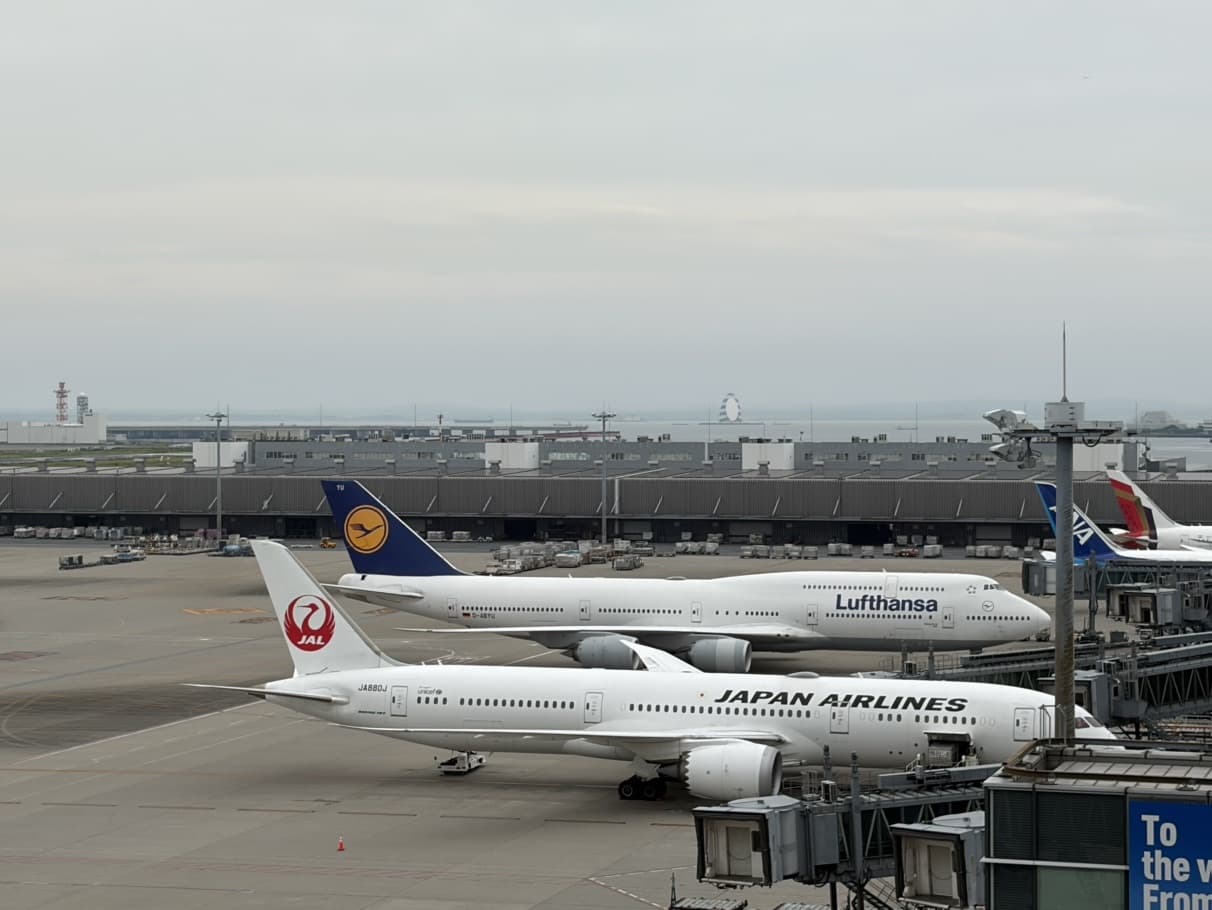
Japan Tourist Tax 2026: Departure Tax Now ¥3,000 — What You Pay
The departure tax tripled to ¥3,000 on July 1, 2026 — now in effect. Plus Kyoto's new five-tier accommodation tax, fresh lodging fees in Nagano and Kutchan, and the November tax-free shopping switch — what you actually pay on a 2026 Japan trip.
Planning a self-guided Japan trip in 2026? You will pay more in taxes and fees than visitors did a year ago — and the rules shift mid-year. None of this should change your decision to come. It should change how you budget, where you sleep, when you fly, and how you shop.
This guide pulls the verified numbers together so you can plan properly. We cover the departure tax that tripled to ¥3,000 on 1 July 2026 (now in effect), the patchwork of city-level accommodation taxes, the steep new Kyoto rates effective 1 March, and the tax-free shopping switch landing on 1 November 2026.
Quick Answer: Japan Tourist Tax 2026
Since 1 July 2026, leaving Japan by air or sea costs ¥3,000 per person (up from ¥1,000) — now in effect. Since 1 March 2026, Kyoto's accommodation tax can hit ¥10,000 per person per night at top-tier hotels. From 1 November 2026, tax-free shopping switches from instant register discount to a pay-now / refund-at-the-airport system.
Departure
¥3,000 (Jul 1)
Kyoto top tier
¥10,000/night
Tax-free
Refund only (Nov 1)
New cities
+Nagano, Kutchan
The Headline Change: Departure Tax Tripled to ¥3,000 (In Effect Since 1 July 2026)
The International Tourist Tax (sometimes called the "Sayonara tax") was introduced in January 2019 at a flat ¥1,000 per person. Since 1 July 2026, visitors pay ¥3,000 per person on departure — the increase is now live. That is a threefold jump, framed by the Japanese government as bringing Japan closer to international standards.
How it's collected: the tax is included directly in your airline or ferry ticket. No separate payment line at the airport. You will not queue or fumble for cash. It is baked into the fare.
Who Pays and Who's Exempt
The departure tax applies to all travelers leaving Japan by air or sea — regardless of nationality, visa status, or cabin class. Japanese nationals pay the same rate as foreign tourists.
Only two real exemptions:
- Children under 2 years old.
- Transit passengers who remain in Japan for 24 hours or less without clearing immigration. If you leave the airport to visit Tokyo during a layover, you pay on departure.
Where the Money Goes
Revenue funds reservation systems at overcrowded sites, multilingual guidance, waste management, and heritage preservation — directly tied to the overtourism reforms also reshaping Kyoto and Mt. Fuji access in 2026.
That is the official purpose. Where the increase actually lands turned out to be broader, and it became a story on 24 August 2026, when the Asahi Shimbun reported the first-year allocations and the piece was picked up internationally within hours.
💴 What the extra ¥2,000 is funding in FY2026
- Bear countermeasures — ¥6.0 billion. The government budgeted ¥6.2 billion for bear damage this fiscal year and is covering ¥6.0 billion of it from the departure tax. An Environment Ministry official's stated justification: foreign visitors may encounter bears too, so they benefit from the measures.
- Cherry-tree pest control — ¥600 million, newly budgeted and funded entirely from the departure tax, on the reasoning that many visitors come specifically to see the blossom.
- Who pays: foreign travellers are expected to carry roughly ¥64.6 billion of the increase. The share attributable to Japanese travellers (¥16.4 billion) is being returned to them as lower passport fees.
Figures per the Asahi Shimbun report of 24 August 2026 on the FY2026 initial budget.
None of this changes what you pay — it is ¥3,000, bundled into your ticket either way. It is worth knowing simply because the "tourist tax funds tourist infrastructure" framing you will read on most travel sites is only part of the picture.
Is the ¥3,000 Already in Effect?
Yes. As of 1 July 2026 the ¥3,000 rate is live on every departure by air or sea; the old ¥1,000 rate no longer applies. Because it's bundled into your ticket, any flight or ferry leaving Japan on or after 1 July 2026 already includes it — there is nothing extra to pay at the airport and nothing you need to do. One exception: tickets issued on or before 30 June 2026 keep the old ¥1,000 rate even when the travel date is later (per MLIT). Budget ¥3,000 per person (≈¥12,000 for a family of four) as a fixed line in your trip costs.
Accommodation Tax: The Patchwork Most Travelers Miss
The departure tax is one fixed number. The accommodation tax (shukuhaku-zei) varies city by city, tier by tier, sometimes night by night. Currently 17 prefectures, cities, towns, and villages levy an accommodation tax — including Tokyo, Hokkaido, Osaka Prefecture, Kyoto City, Hiroshima Prefecture, Fukuoka Prefecture, Nagasaki City, and Kanazawa City. More are coming online in 2026.
The tax is collected at the property, not when you book. Pay attention at check-in.
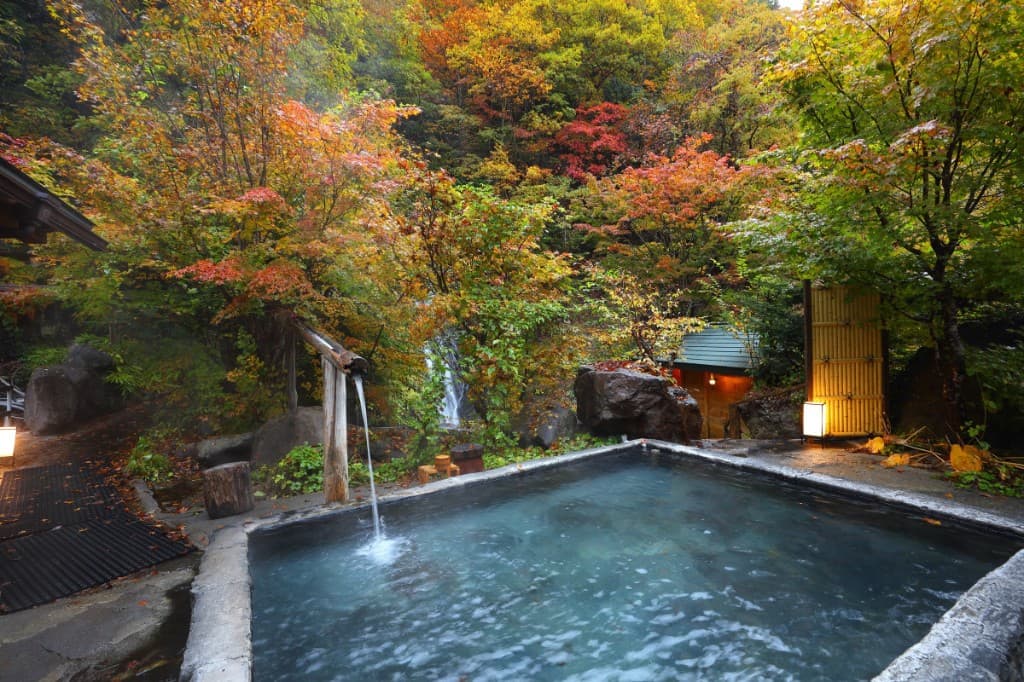
Kyoto's Accommodation Tax: The Steepest in Japan
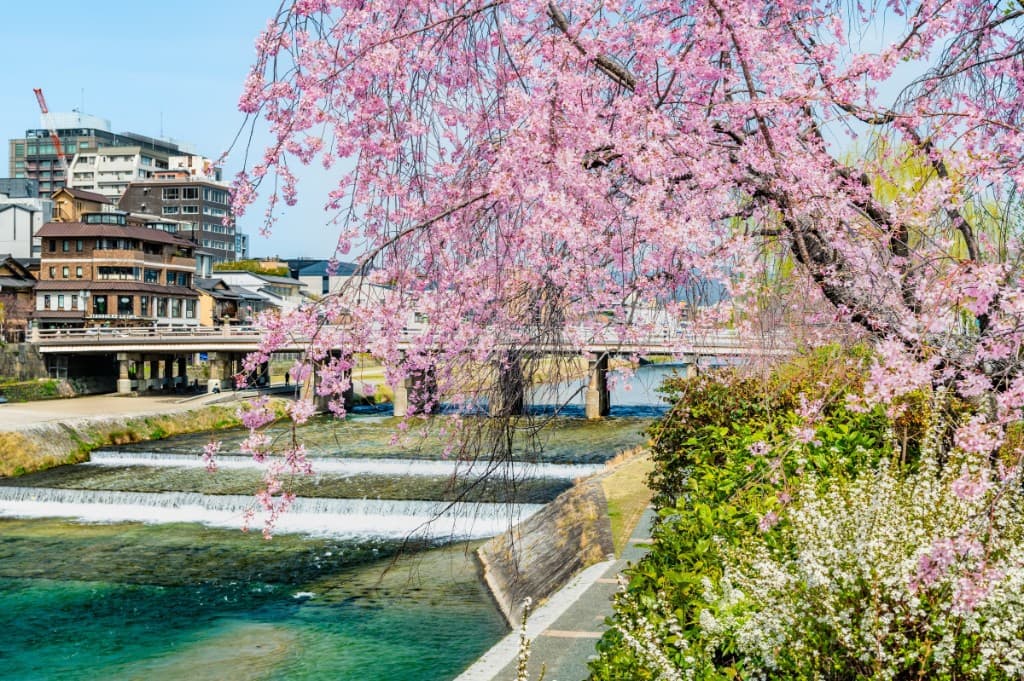
Kyoto made the boldest move. Starting 1 March 2026, luxury travelers can pay up to ¥10,000 per person per night — roughly a tenfold increase on the previous maximum. Five tiers:
Kyoto accommodation tax effective 1 March 2026 (per person, per night)
| Nightly room rate | Tax per person, per night |
|---|---|
| Under ¥6,000 | ¥200 |
| ¥6,000 – under ¥20,000 | ¥400 |
| ¥20,000 – under ¥50,000 | ¥1,000 |
| ¥50,000 – under ¥100,000 | ¥4,000 |
| ¥100,000 and above | ¥10,000 |
Nightly rate = room rate with service charge but before consumption tax. Children under 12 exempt.
Two guests in a ¥120,000 Kyoto suite? ¥20,000 in tax alone, every night. For a one-week luxury stay, a couple can pay roughly ¥140,000 in accommodation tax on top of the room rate.
The bracket cutoffs matter. A ¥99,999 room and a ¥100,000 room are functionally identical — but the tax jumps from ¥4,000 to ¥10,000 per person per night at that line. If you are booking near a cutoff, ask the property whether they can push the rate just below. Same logic for the ¥20,000 line (¥400 vs ¥1,000).
Tokyo's Accommodation Tax
Tokyo has charged this since 2002 and the rates remain mild:
- Under ¥10,000/night: exempt
- ¥10,000 – under ¥15,000: ¥100/night
- ¥15,000 and above: ¥200/night
Tokyo Metropolitan Government has announced a move to a 3% percentage-based tax in fiscal 2027. For 2026, the fixed-fee system above still applies.
Osaka Prefecture
- Under ¥5,000/person: exempt
- ¥5,000 – ¥14,999: ¥200/night
- ¥15,000 – ¥19,999: ¥400/night
- ¥20,000+: ¥500/night
Honestly, these numbers will not dent most budgets. They add up over a long trip but they are not deal-breakers.
New Lodging Taxes Spreading Across Japan
A flurry of local governments brought in their own lodging taxes recently or have approval for 2026:
- Gifu Prefecture (Gifu City): ¥200/night, all categories.
- Toba (Mie Prefecture): ¥200/night, all lodging types.
- Nagano Prefecture + Matsumoto, Karuizawa, Achi, Hakuba: starting June 2026. Nagano flat ¥200; Matsumoto ¥200 (includes ¥100 prefectural).
- Kumamoto City + Miyazaki City: approved for June 2026 — amounts not yet announced.
- Kutchan Town (Niseko ski area): already 2% on lodging since 2019, rising to 3% from 1 April 2026.
If your route includes Hakuba, Karuizawa, Nozawa Onsen, or the Niseko area in 2026, factor these in. They are small per night but visible across a longer stay.
How It's Collected
Room rates shown online generally do not include the accommodation tax. The hotel charges it per person, per night, at check-in or check-out. Many hotels accept card; smaller ryokan and traditional inns often only take cash for the tax line. Keep a few thousand yen in your wallet for this.
Airbnb / Minpaku
You cannot dodge accommodation tax by booking on Airbnb. In 2026, enforcement expanded to the Minpaku sector. Licensed private lodging in Tokyo and Osaka now collects the same accommodation tax as traditional hotels.
Tax-Free Shopping: The Big November 2026 Switch
Japan's tax-free shopping system is undergoing its biggest restructure since it opened to tourists. The current "instant exemption at the register" model runs until 31 October 2026. From 1 November 2026, the entire country switches to a refund method: pay the full tax-inclusive price in store, then claim the consumption tax (10%) back at the airport before you fly.
Until Oct 31, 2026
- • Show passport at register
- • Cashier removes 10% tax
- • Sealed packaging required for consumables
- • ¥500,000/day cap
From Nov 1, 2026
- • Pay full price (tax-inclusive)
- • Refund at airport before flight
- • Sealed packaging requirement abolished
- • ¥500,000/day cap abolished
No transitional overlap — the old system stops working on 31 October and the new one starts on 1 November. The ¥5,000 (pre-tax) minimum spend at one store on one day stays the same. The good news: the separation between "consumables" and "general goods" is also abolished, so everything you buy at one store counts toward the same total. Easier to qualify.
Common Mistakes That Void Your Refund
- Until 31 October 2026, don't open consumables. Cosmetics, food and supplements must stay sealed until you leave. From 1 November this requirement is abolished — you only need to carry the goods out of Japan.
- Don't ship purchases home. Only items you personally carry out qualify (this rule took effect 1 April 2025).
- Allow extra time at the airport. Refund counters queue, especially in peak season.
- Credit card refunds: 1–2 weeks. Bank transfers: 2–4 weeks. Plan cash flow accordingly.
Who Qualifies
Tax-free shopping is for short-term temporary visitors only. Status is determined by passport stamp, not nationality. Long-term visa holders, work visa holders, and residents pay the full 10% consumption tax.
Visa Fees: Up Roughly 5× Since 1 July 2026
Most readers will not need a tourist visa. Travelers from the US, UK, Canada, Australia, and most EU nations enter visa-free. For travelers who do need one, the consular fees rose roughly fivefold on 1 July 2026:
- Single-entry tourist visa: ~¥15,000 (€80) — up from about ¥3,000.
- Multiple-entry visa: ~¥30,000 (€161) — up from about ¥6,000.
Fees vary a little by country and by where you apply, so confirm the exact amount with your nearest Japanese embassy — and see our visa fee increase guide for the full breakdown.
Planning Around These Costs
Step 1: Calculate Your Tax Footprint
Sample 10-night trip in late 2026 (per person):
| Line item | Tax |
|---|---|
| Departure tax (Jul 1 onward) | ¥3,000 |
| Tokyo 3 nights @ ¥18,000/night | ¥600 |
| Kyoto 4 nights mid-tier @ ¥25,000/night | ¥4,000 |
| Osaka 3 nights @ ¥12,000/night | ¥600 |
| Total per person | ~¥8,200 |
That is the floor for a mid-tier trip. Stay at luxury hotels in Kyoto and you can multiply that easily.
Step 2: Consider Your Base City
You do not have to sleep in Kyoto to see Kyoto. Osaka is 15 minutes by Shinkansen, 30 minutes by JR Special Rapid. Day-tripping into Kyoto from Osaka completely sidesteps Kyoto's tax bracket. You give up sunrise access to Fushimi Inari and Arashiyama (the calmest, most photogenic windows), but you save real money on the tax line.
Step 3: Watch the Bracket Cutoffs
In Kyoto especially, ¥19,800 vs ¥20,000 means ¥400 vs ¥1,000 per person per night. ¥99,999 vs ¥100,000 means ¥4,000 vs ¥10,000. Always per person. Worth asking the property to adjust by a few yen.
Step 4: Time Your Shopping
Visiting in October 2026? You still get the instant register discount. From November on, plan around the refund queue. For big purchases like cameras in Akihabara or cosmetics in Ginza, do them on a Tokyo day where you can drop receipts at your hotel before the airport. Don't pack receipts in checked luggage.
For wider trip budgeting, see our Japan daily budget 2026 guide and Japan hotel prices 2026 guide.
Common Mistakes to Avoid
- Assuming Booking.com / Agoda rates include accommodation tax. They almost never do in Japan.
- Trying to ship tax-free items home. That has not worked since April 2025.
- Leaving the airport during a layover without realising it triggers the departure tax.
- Booking a Kyoto ryokan over ¥100,000 without realising the tax is ¥10,000 per person, per night.
- Opening tax-free cosmetics or snacks before leaving — voids the exemption, but only for purchases made up to 31 October 2026; the sealed-packaging rule disappears with the new system on 1 November.
For wider planning pitfalls, see our Japan travel mistakes to avoid guide.
Why These Taxes Exist
The Japanese government and Kyoto City have been explicit. Revenue is for sustainable tourism: overtourism countermeasures, multilingual signage, reservation systems at crowded sites, heritage preservation, public transport upgrades, and improved tourist facilities. Kyoto specifically funds work around Fushimi Inari, Kinkaku-ji, and other UNESCO sites that hit breaking point in 2024–2025.
You may not love paying more. The flip side: the city's appeal depends on it not being trampled.
Where the departure tax money is going (the August 2026 debate)
Tripling the departure tax was sold as a tourism fund, and by late August 2026 Japanese and English-language media (Japan Today, SoraNews24, the South China Morning Post) were questioning whether it is being spent that way: among the items reported are cherry-blossom tree upkeep and bear countermeasures in rural areas. Neither is unreasonable — bear encounters have become a genuine safety issue on hiking routes — but they are not the immigration lanes and crowd management visitors were told about. It does not change what you pay; it is worth knowing if you wonder what the ¥3,000 buys.
Want a Self-Guided Route Built Around These Costs?
We design Japan trips for independent travelers — choosing hotels that avoid the steepest tax tiers, timing shopping around the November switch, and basing you in the right city for day-trip economics.
Planning a trip to Japan and want the costs clear before you go? Get in touch through Plan My Trip on our self-guided tours site, and we'll suggest the tours that best fit your dates and plans.
FAQ
Has Japan's departure tax increased for 2026?
Yes. The departure tax (International Tourist Tax, or "Sayonara tax") tripled from ¥1,000 to ¥3,000 per person on 1 July 2026, and the increase is now in effect. Any flight or ferry leaving Japan on or after that date already includes the new rate in the ticket price — except tickets issued on or before 30 June 2026, which keep the old ¥1,000 rate even for later travel.
How much is the Japan tourist tax in 2026?
The international tourist tax (departure tax) is now ¥3,000 per person, in effect since 1 July 2026 (up from ¥1,000). It is collected automatically as part of your air or ferry ticket.
Do I have to pay the departure tax if I'm just transiting through Japan?
Transit passengers who remain in Japan for 24 hours or less without clearing immigration are exempt. If you leave the airport to visit Tokyo during a layover, you pay on departure.
What's the maximum accommodation tax I'll pay?
In Kyoto, ¥10,000 per person per night at the top tier (rooms ¥100,000 and above) effective 1 March 2026. Elsewhere in Japan, rates are much lower — typically ¥100 to ¥500 per night.
When does the new tax-free shopping system start?
1 November 2026. From that date, you pay the full price (including the 10% consumption tax) at the register and claim a refund at the airport before departure. The ¥5,000 pre-tax minimum per store per day stays the same.
Do children pay the departure tax and accommodation tax?
For the departure tax, children under 2 are exempt. For Kyoto's accommodation tax, children under 12 are exempt. Other cities have different rules — check before booking.
Are luxury hotels still worth it with Kyoto's tax?
That is a personal call. The ¥10,000 per person per night Kyoto rate above the ¥100,000 line is significant. Many travelers opt for high-quality mid-range accommodation in Kyoto, or stay in Osaka and day-trip.
Will the JR Pass still be useful with these costs?
Yes, just budget for it. The seven-day ordinary adult pass rose to ¥50,000 in October 2023 and still costs that; from 1 October 2026 overseas agencies charge ¥53,000, while the official website has not announced a change. It remains the simplest option for multi-city Shinkansen routes, though on a Tokyo–Kyoto–Osaka trip individual tickets are usually cheaper. See our JR Pass worth it 2026 guide.
Can I avoid accommodation tax by booking Airbnb?
No. In 2026, enforcement expanded to the Minpaku sector. Licensed private lodging in Tokyo and Osaka now collects the same accommodation tax as traditional hotels.
Where does the tax revenue actually go?
Overtourism countermeasures, multilingual signage, reservation systems at crowded sites, heritage preservation, public transport upgrades, and improved tourist facilities. Local governments set their own priorities for the accommodation tax portion.
Related Articles
Narita vs Haneda (vs Kansai): Which Airport to Fly Into for Japan — Transfer Times, Costs & the New 2027 US Nonstops
15 min read
Japan Accommodation Tax 2026: A City-by-City Guide for Travelers
13 min read
Japan Dual Pricing 2026: What Foreign Visitors Will Actually Pay
10 min read