
Things to Do in Osaka: Dotonbori, Osaka Castle, Street Food and a 3-Day Osaka Itinerary
Osaka's sights with 2026 fees and hours — Dotonbori, Kuromon Market, Osaka Castle, Umeda Sky Building, Shinsekai and the bay — the passes that are worth buying, the best day trips, a 3-day Osaka itinerary, and the self-guided routes that stay here.
Osaka, Japan's second city, is also its kitchen: louder, cheaper and friendlier than Tokyo, with a food culture built on eating out — the Osaka word for it, kuidaore, means eating until you drop. It is also the most practical base in western Japan, with Kyoto, Nara, Kobe and Himeji all within about an hour by train.
Forty-one of our self-guided routes stay in Osaka, most for two or three nights at a hotel in Namba, Umeda or by the theme park. This guide covers the things to do in Osaka with this year's fees and hours, the passes, the day trips, and a 3-day Osaka itinerary built the way those routes use the city.
Quick Answer: Osaka
- How long: two nights for the city, three if you add Nara, Himeji or Universal Studios Japan.
- Don't miss: Dotonbori at night, Kuromon Market, Osaka Castle (¥1,200), the Umeda Sky Building (¥2,000) and Shinsekai.
- Passes: the Osaka Amazing Pass (¥3,500 for a day) pays off only if you visit several of its sights; the Metro day pass is ¥820 on weekdays.
- Where to stay: Namba for food and nightlife, Umeda for trains and day trips.
- On our routes: 41 routes stay in Osaka, from the 7-day BF001 (from $1,200) to routes with three nights by the theme park.
Stay
2–3 nights
To Kyoto
≈ 28 min
Castle
¥1,200
Our routes
41 stay here
Why Osaka Deserves a Place in Your Japan Trip
Many travelers treat Osaka as a stop between Kyoto and the airport. That undersells it. Osaka offers a different side of Japanese culture from Kyoto's temples: neon lights, street food, covered shopping arcades and local neighborhoods where people talk to strangers.
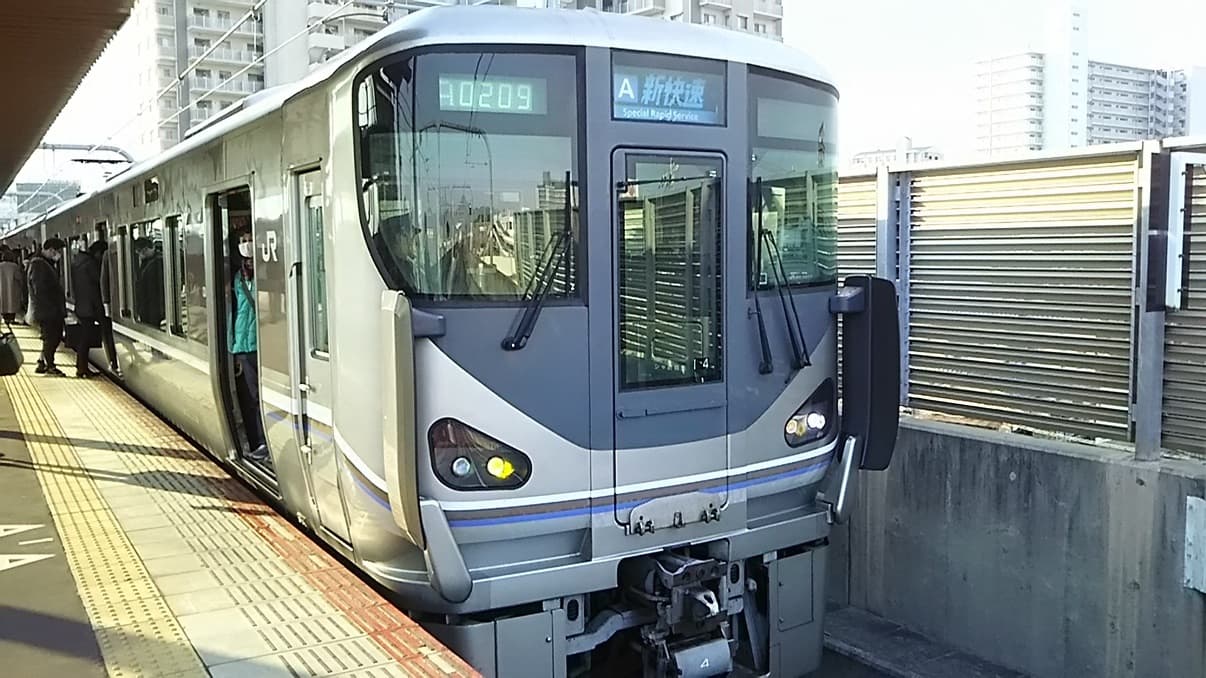
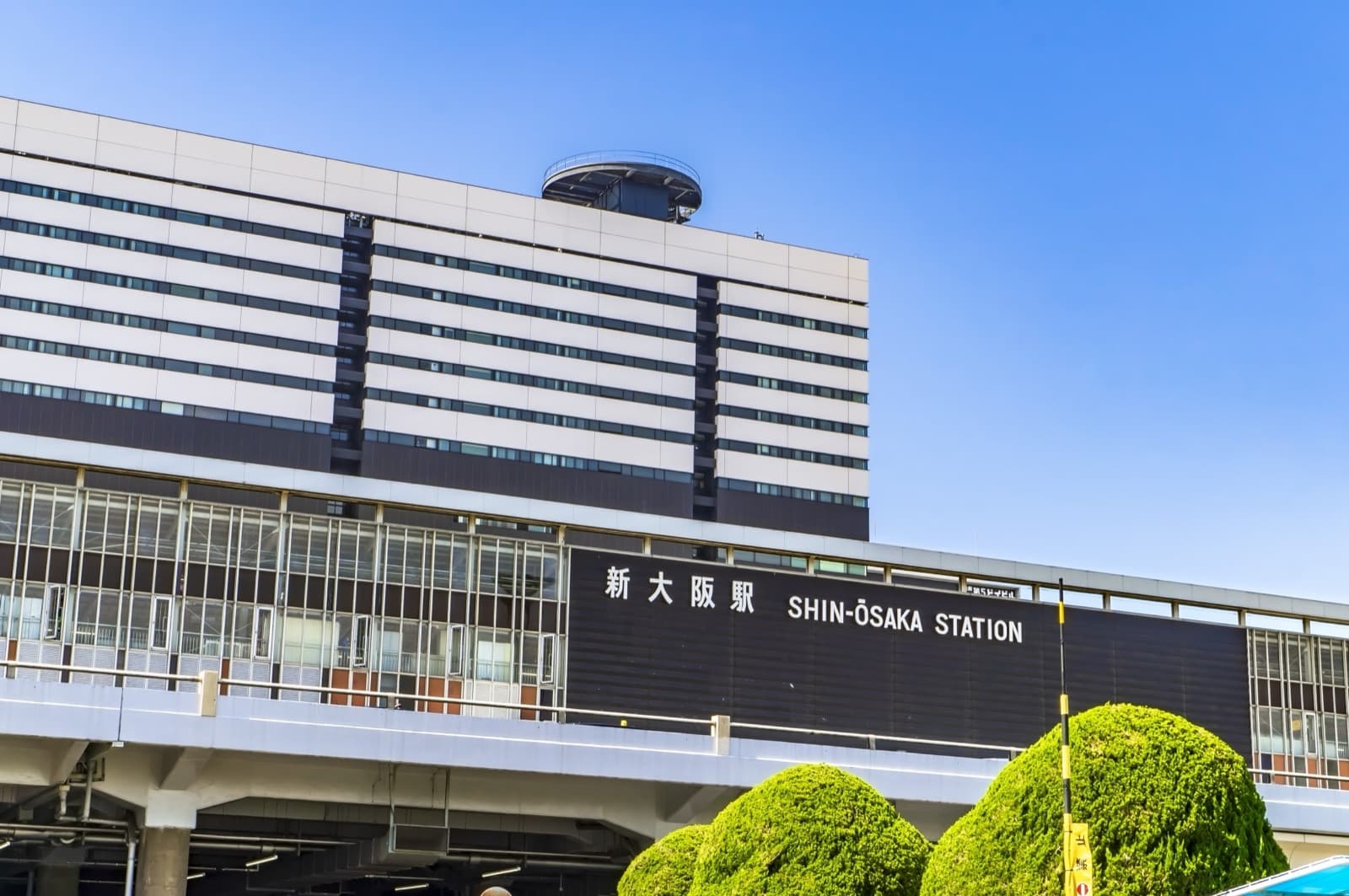
It is also the easiest base in the Kansai region. Kyoto is about 28 minutes away on the JR Special Rapid, Kobe about 22, Nara under 40 by Kintetsu, and Himeji about an hour. Kansai International Airport (for international flights) and Itami Airport (for domestic ones) both connect directly to the city; KA001 and KA003 start with our staff meeting you at either.
The city splits into two centers: Kita ("north"), around Osaka station and Umeda station, the business and rail hub; and Minami ("south"), around Namba station, the food and nightlife district. Osaka Castle sits between them to the east.
Dotonbori, Namba and Shinsaibashi
Dotonbori
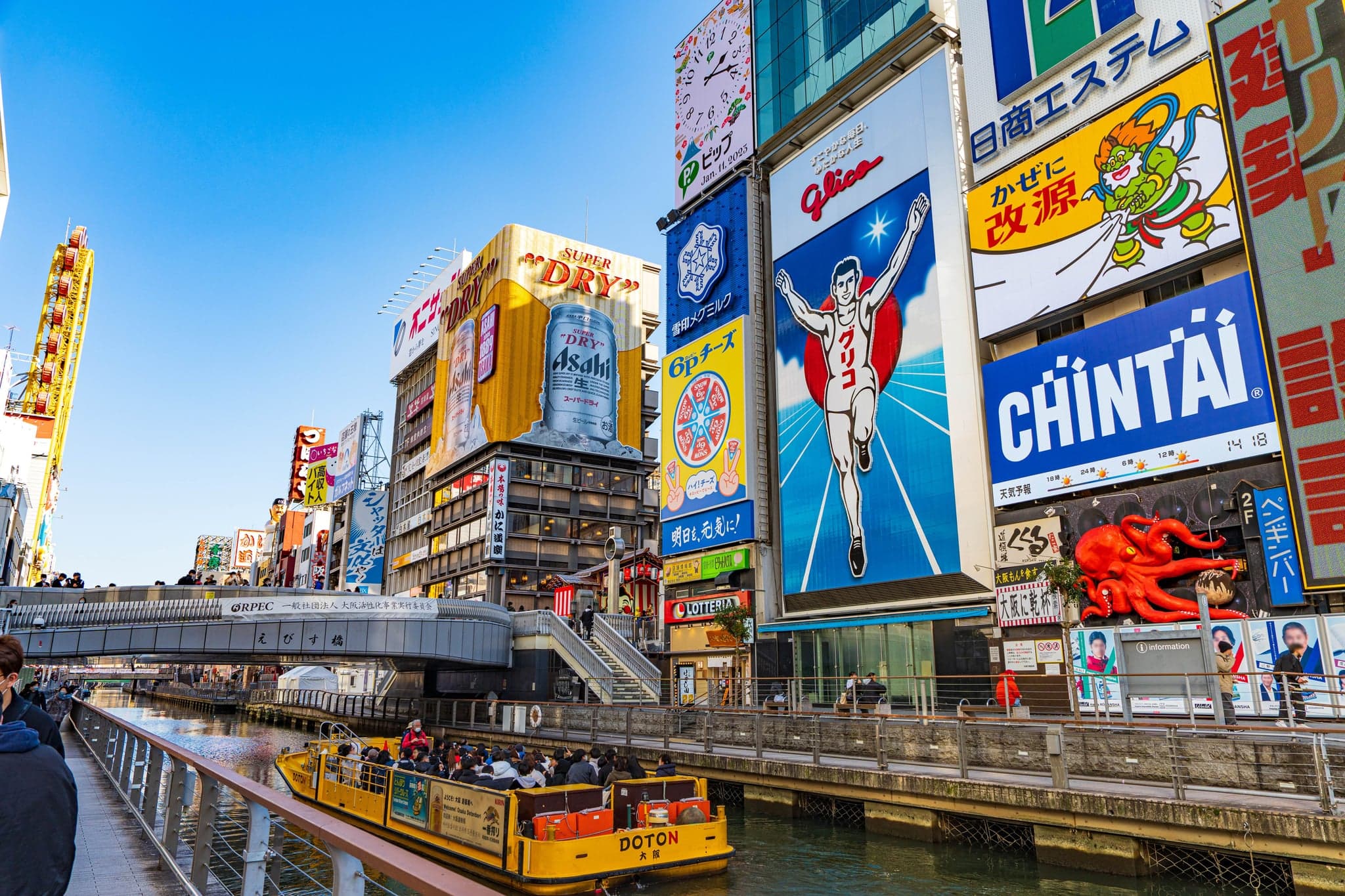
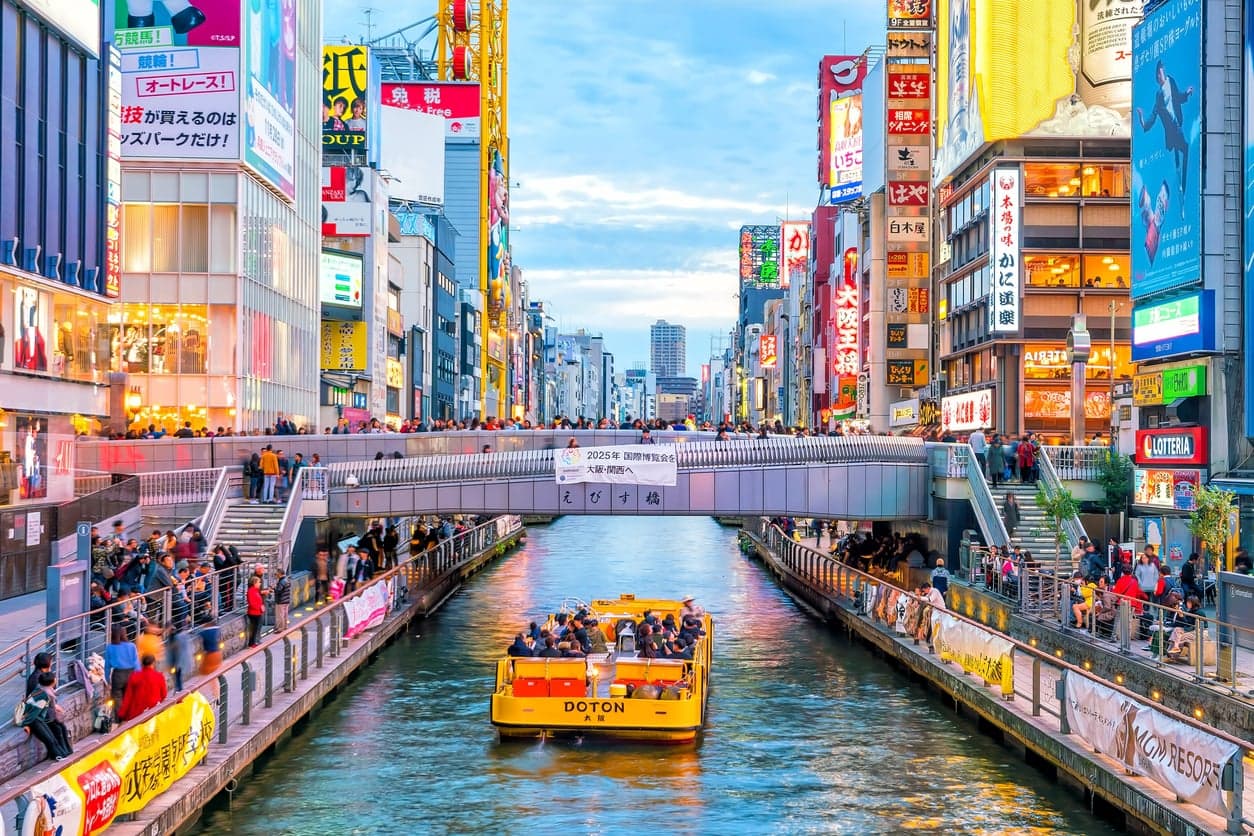
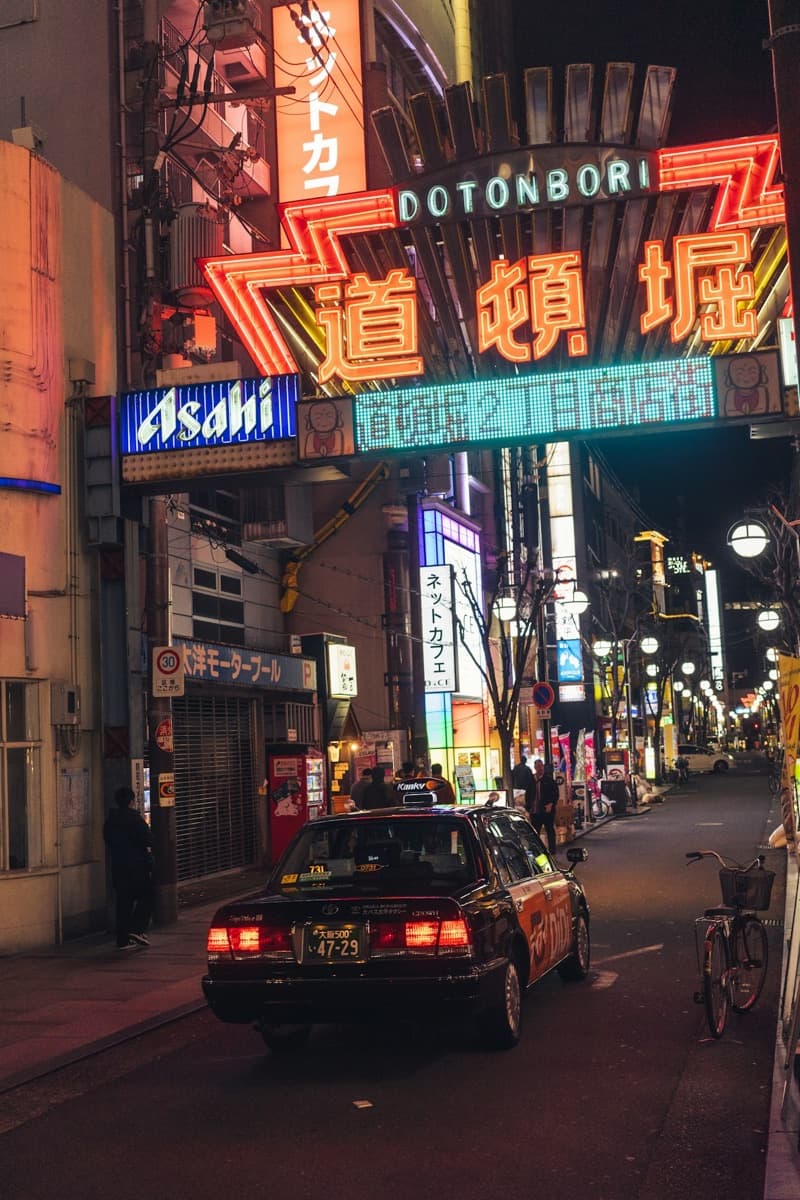
Dotonbori is the Osaka, Japan of the postcards: a canal lined with giant three-dimensional signs — the Glico running man, crabs, octopus and dragons — and restaurants stacked floor on floor. It is at its best at night, when the neon lights reflect in the Dotonbori River and the great restaurants along it fill up. Everyone is taking photos of the Glico sign from Ebisu Bridge.
The Tombori River Cruise runs along the canal every half hour from 11:00 to 21:00; the trip takes about 20 minutes and costs ¥2,000.
Hozenji Temple and Hozenji Yokocho
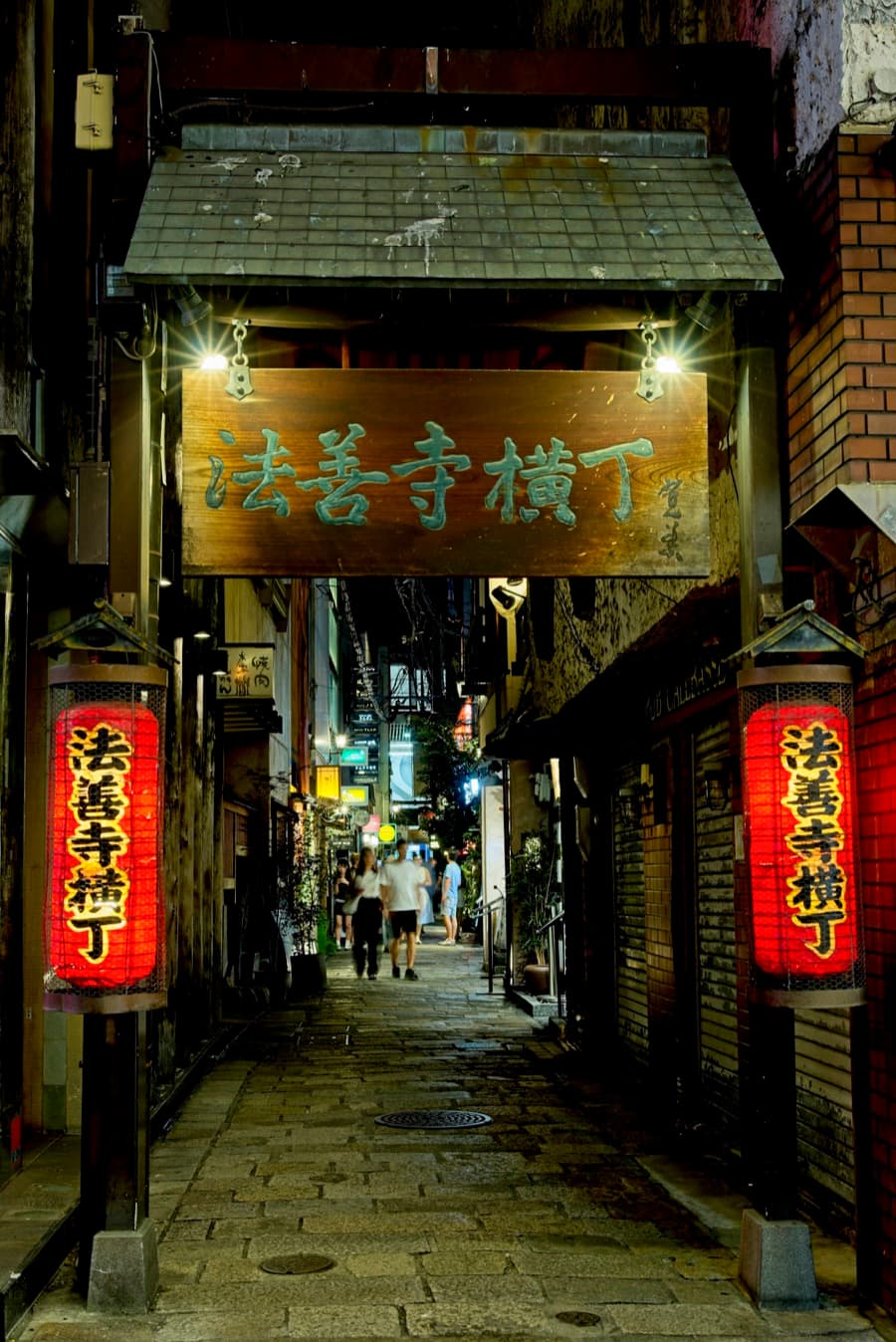
A minute from the crowds, Hozenji Temple is a small temple whose Mizukake Fudo statue visitors splash with water as they pray. The grounds are open 24 hours. Beside it, Hozenji Yokocho is a narrow stone-paved alley of old Japanese restaurants and bars — a quiet street right in the middle of Namba, a few minutes from Namba station.
Namba Yasaka Shrine
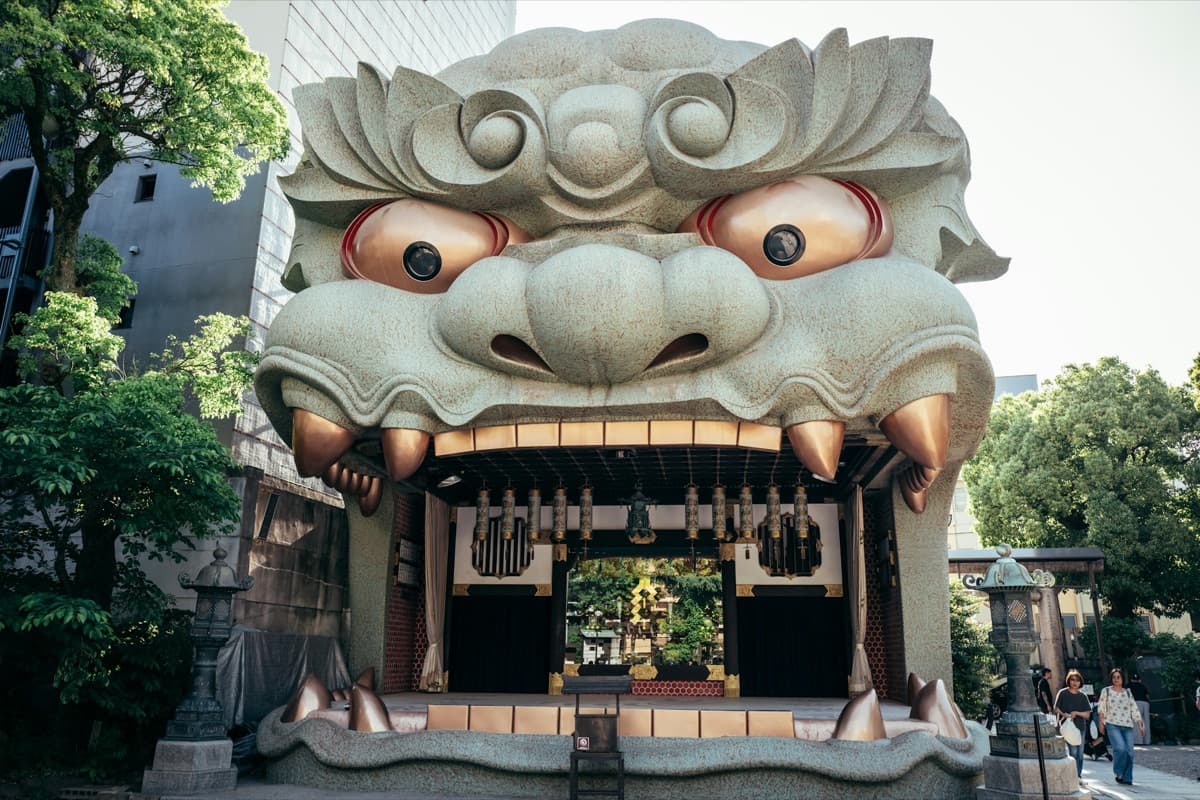
West of Namba station, Namba Yasaka Shrine has one of the most photographed buildings in the city: a stage built as a lion's head 12 m high, its open mouth said to swallow evil spirits. The gates open 6:00–17:00.
Shinsaibashi-suji Shopping Arcade
North of Dotonbori, the covered Shinsaibashi-suji shopping arcade runs for about 580 m, from drugstores and fashion chains to old family shops. Together with the streets around it, it is Osaka's main shopping district, and the shopping arcade is the easiest way to walk from Shinsaibashi to Namba station in the rain.
Street Food: Kuromon Ichiba Market, Takoyaki and Okonomiyaki
Kuromon Ichiba Market
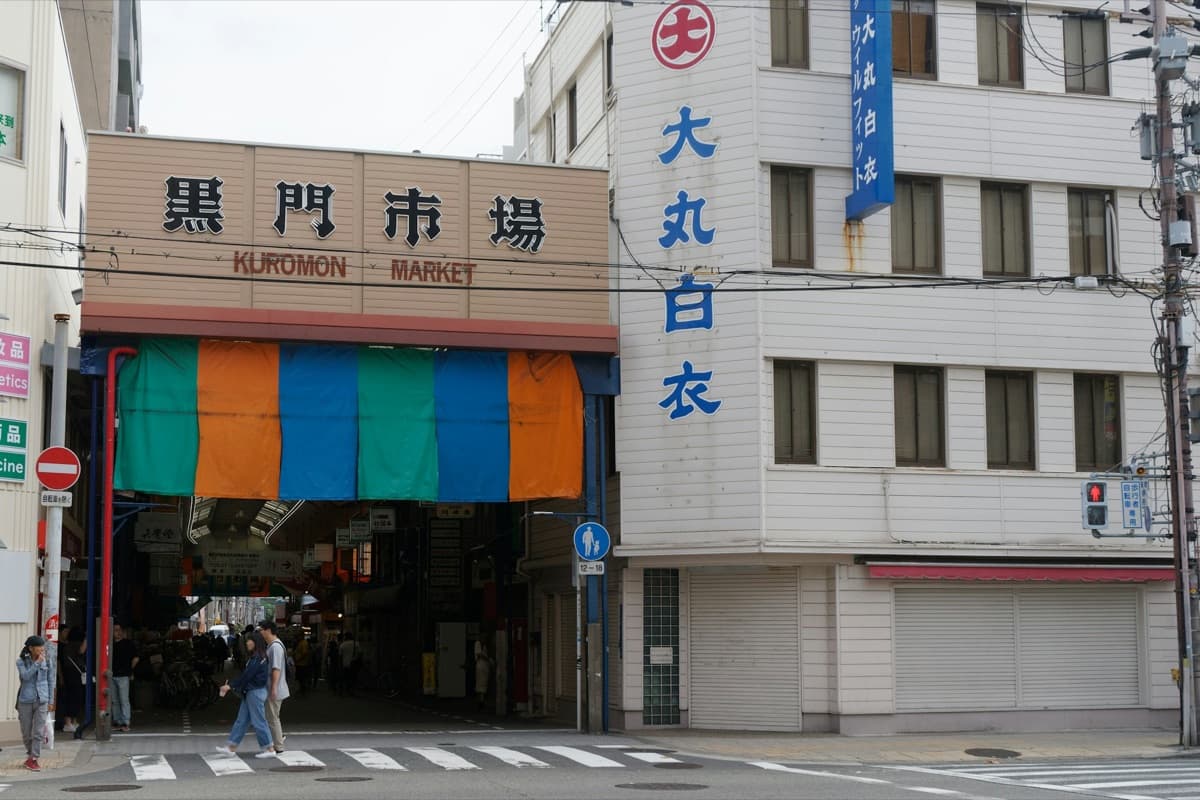
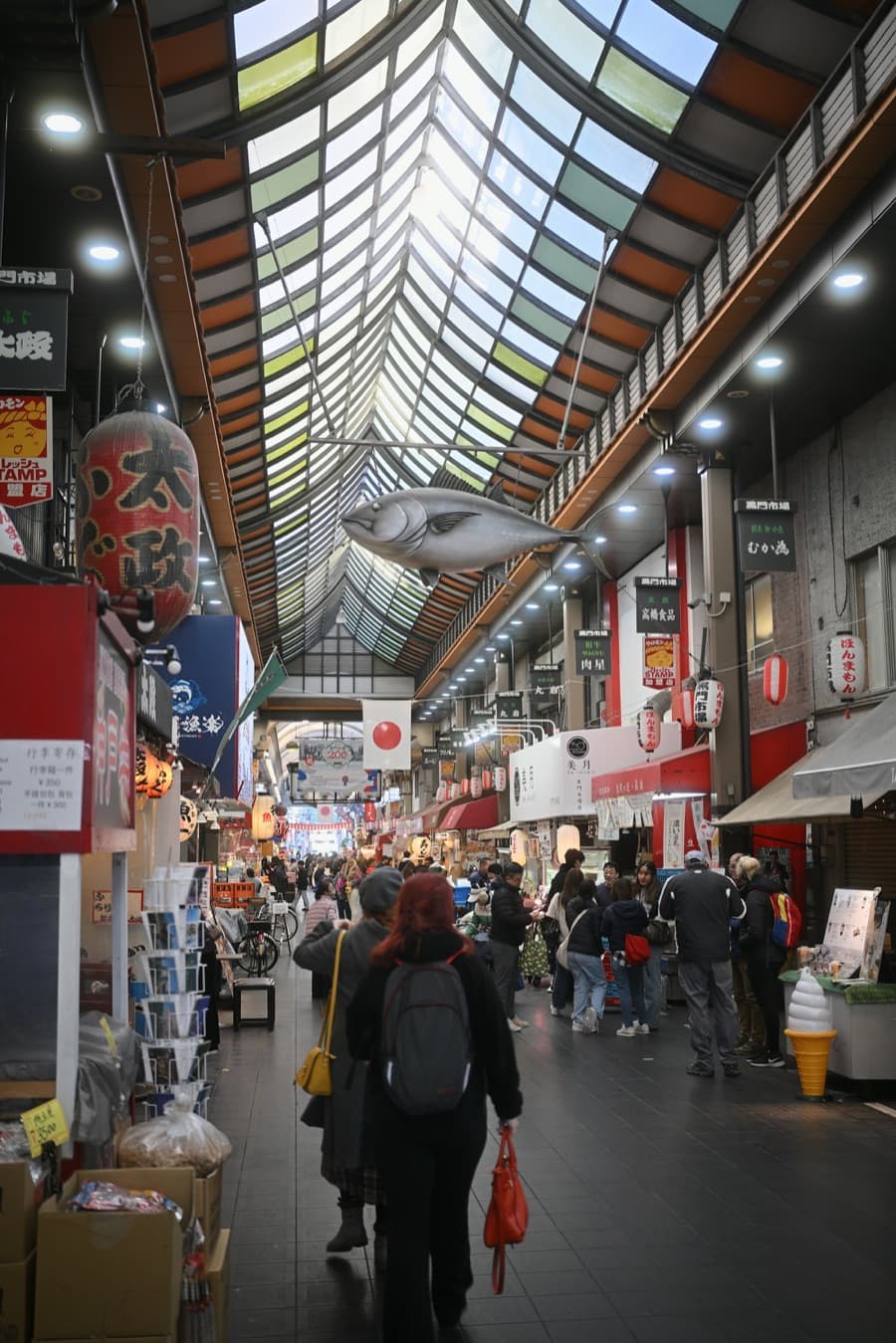
Kuromon Ichiba Market, a short walk east of Namba, is a covered market street of fishmongers, fruit sellers and food stalls. Unlike Kyoto's Nishiki Market, it actively encourages tabe-aruki, eating as you stroll: grilled scallops, sea urchin, wagyu skewers and the freshest seafood cut to order.
Each shop keeps its own hours, so go late in the morning when everything is open. Some call it a tourist trap because the prices are higher than a normal Japanese market, but the quality is real, and a few skewers are a small fee for the experience.
What to Eat in Osaka
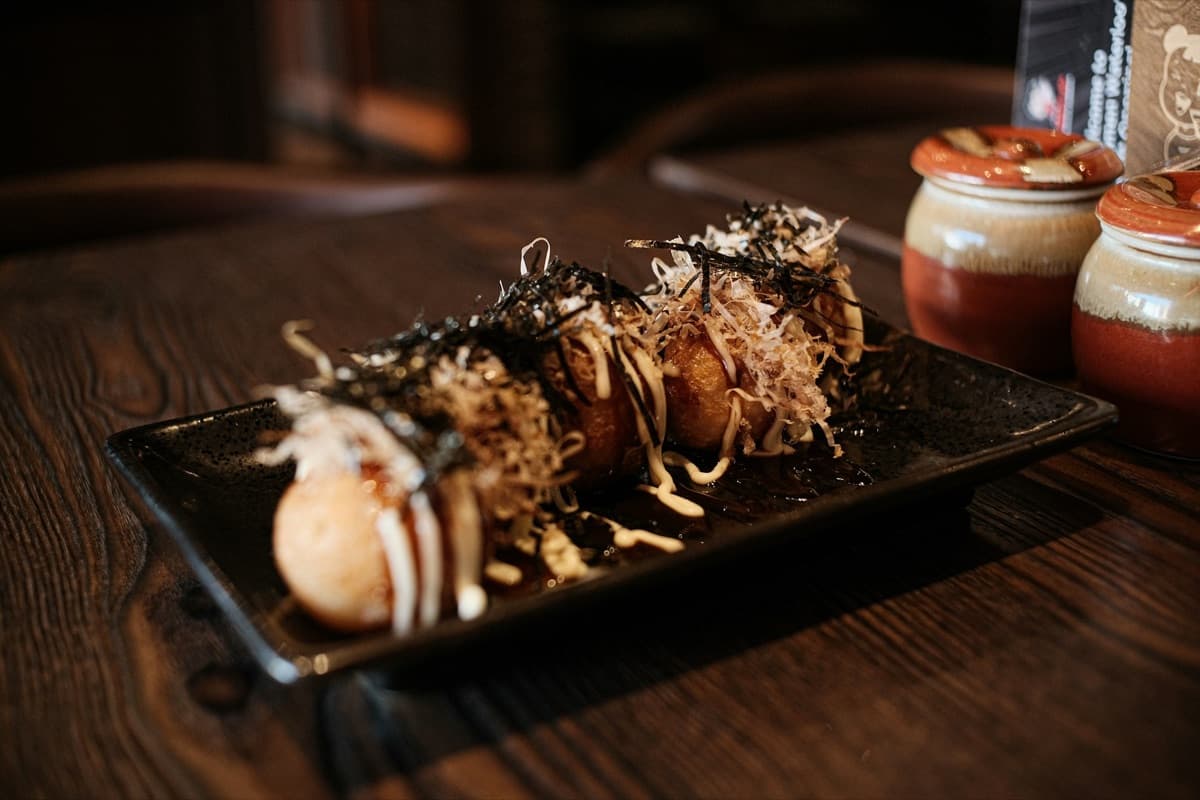
Three dishes define Osaka street food, and you can eat all of them for less than a sit-down Japanese dinner. Takoyaki are octopus dumplings cooked in round molds and topped with sauce, mayonnaise and bonito flakes. Okonomiyaki is a savory cabbage pancake cooked on a griddle at your table. Kushikatsu are breaded, deep-fried skewers — the Shinsekai speciality, with a shared sauce you dip only once.
Dotonbori has the famous stands; the better food is often a street or two away. Queues are a good guide, and so are the Japanese office workers eating there at night.
From our Japan travel team
Osaka is the city where we tell travelers to leave dinner unplanned. Walk from Namba to Dotonbori around seven, follow the queues, and eat standing up — takoyaki one night, kushikatsu in Shinsekai the next. Save the restaurant reservations for Kyoto.
Osaka Castle
Osaka Castle was built by Toyotomi Hideyoshi in the late 16th century, when it was the greatest fortress in Japan. The castle dates from 1583; the main tower you see today is a modern reconstruction with a museum inside, standing on the original stone walls and moats.
The main tower is ¥1,200 for adults, free for junior high age and under, and open 9:00–18:00 (last entry 17:30). The castle grounds themselves are a free park, and the walk around the moats and huge stones is the best part of the visit.
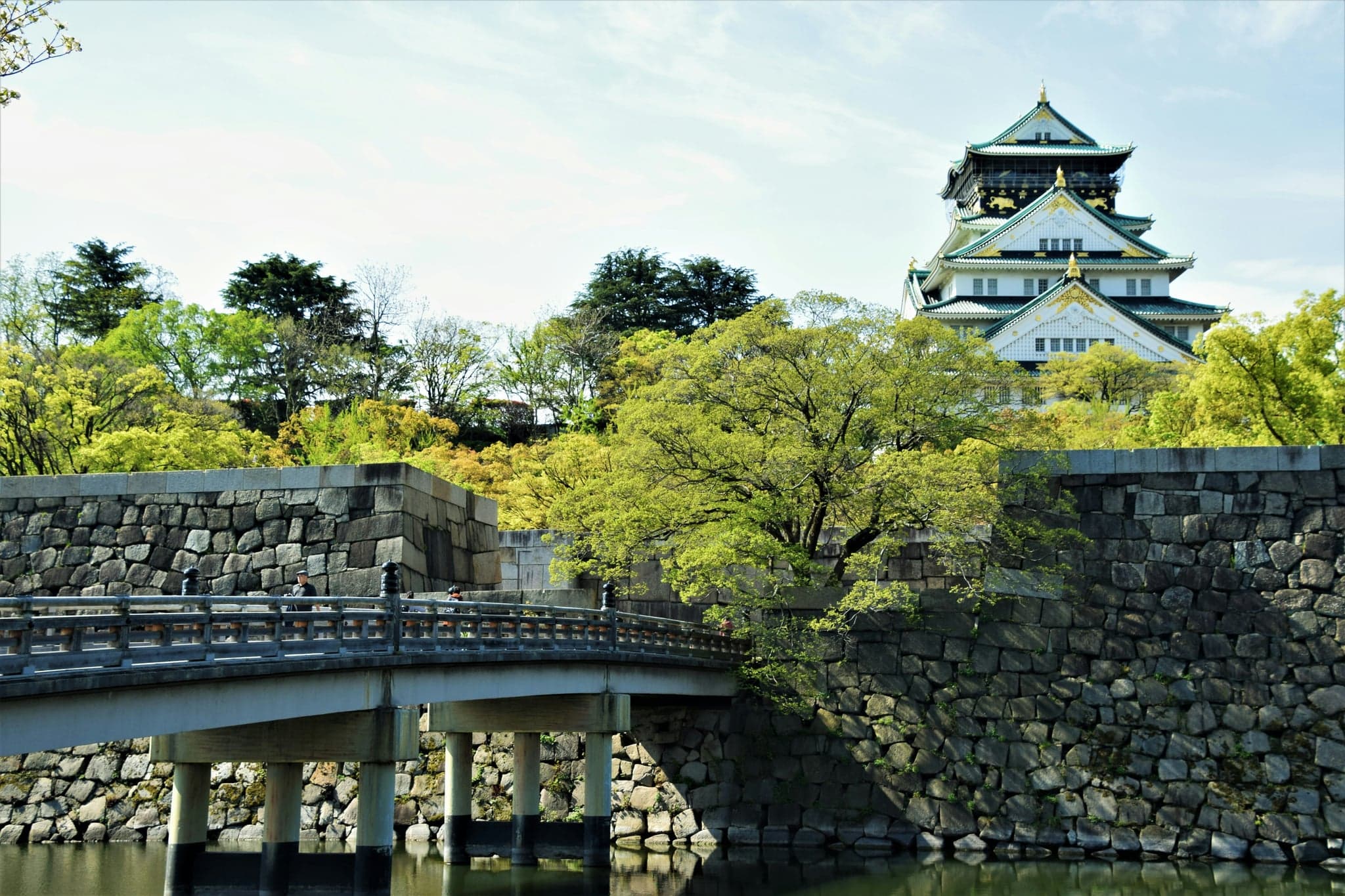
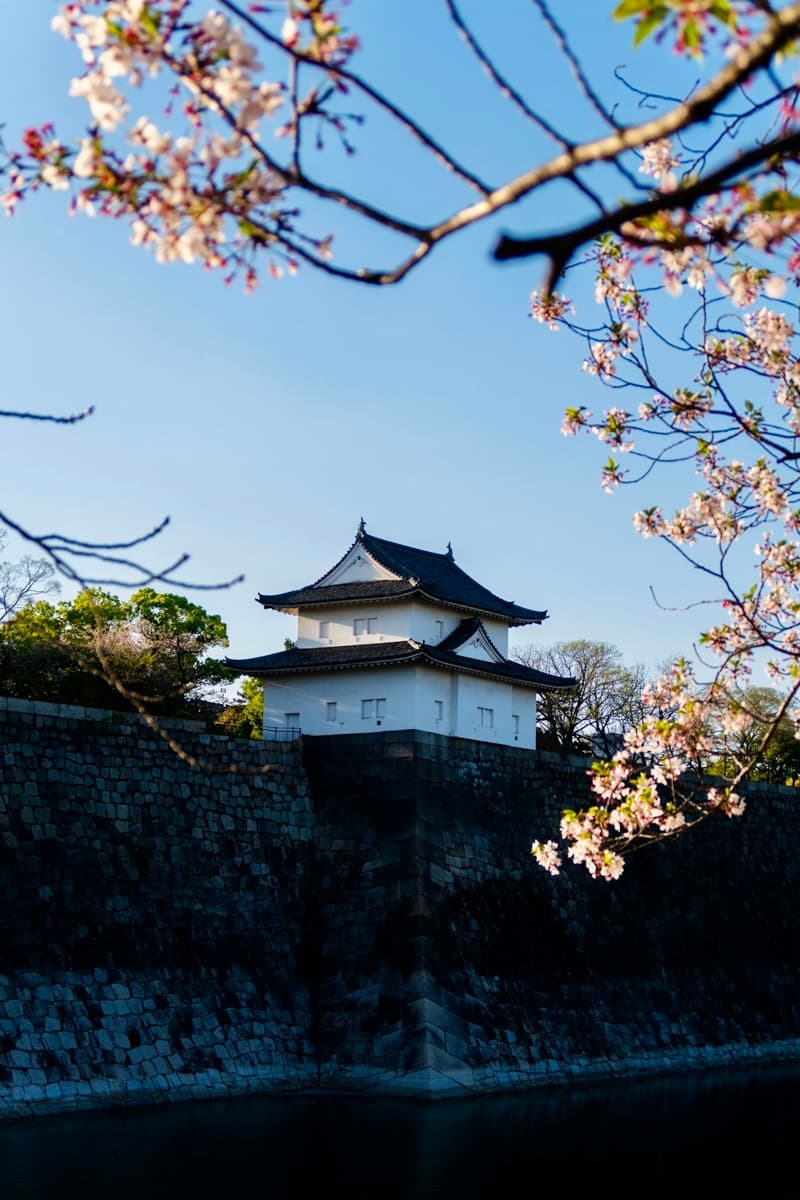
Inside the grounds, the Nishinomaru Garden (¥200; closed Mondays) is a lawn of cherry trees beneath the tower, the city's favorite spot for cherry blossoms. The castle's plum grove flowers from January to March.
Across the road, the Osaka Museum of History (¥600; closed Tuesdays) tells the city's story from the Edo period back to its seventh-century palace, with a window view over the castle.
Umeda: The Sky Building and Nakanoshima
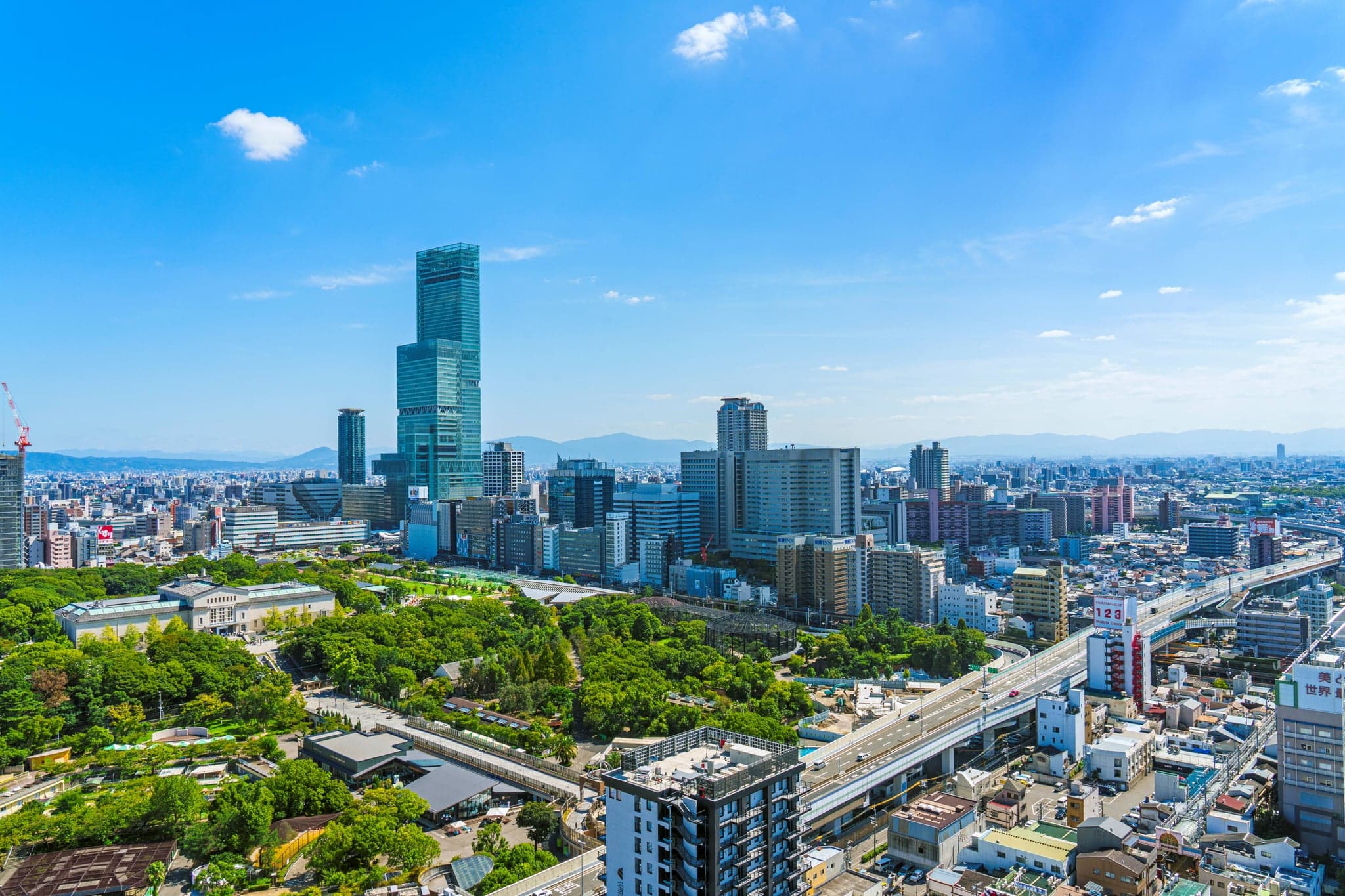
Around JR Osaka station, Umeda is central Osaka's business district, with department stores, underground malls and the city's main train station.
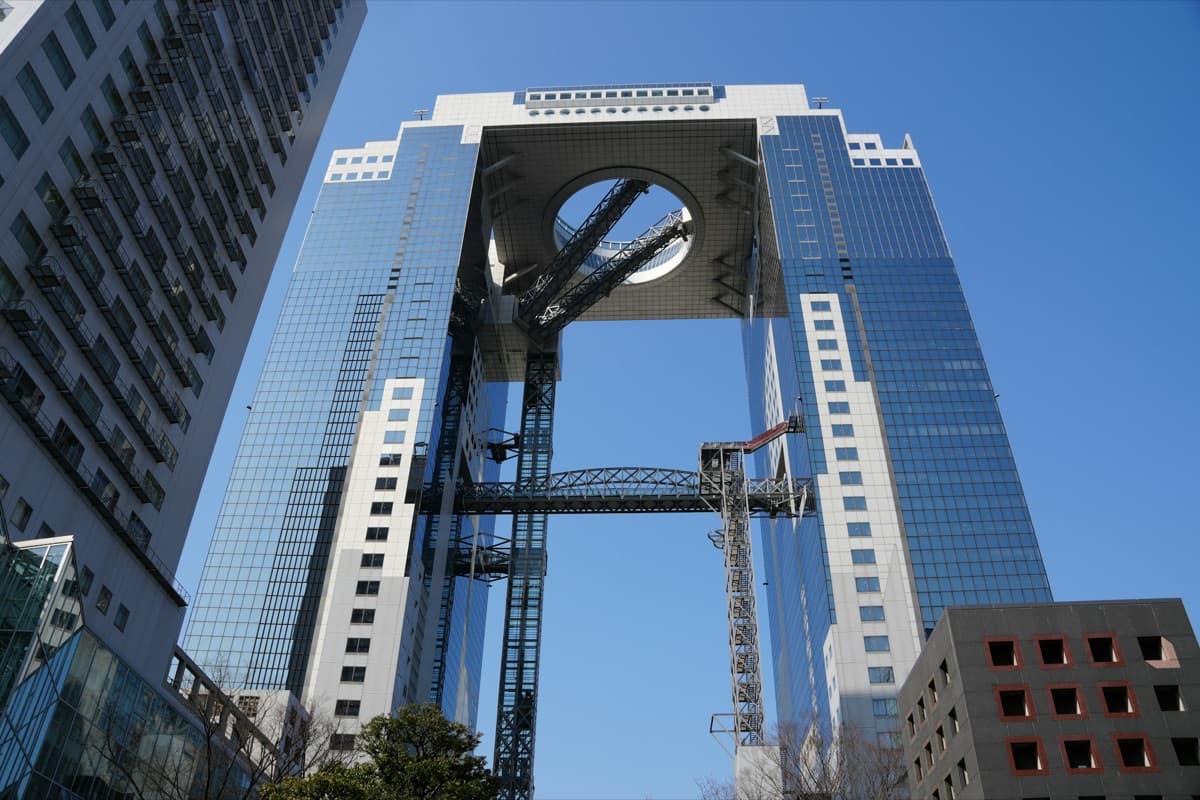
Seven minutes on foot from the station, the Umeda Sky Building is two towers joined at the top by the Floating Garden observatory, an open-air rooftop observation deck with city views in every direction. It costs ¥2,000 and stays open until 22:30 (last entry 22:00) — sunset is the time to go.
South of Umeda, Nakanoshima is an island between two rivers with the city's art museums, historic brick buildings and riverside green spaces. Our routes suggest it for a quieter second day in the city.
Shinsekai, Tennoji and Sumiyoshi Taisha
Shinsekai and Tsutenkaku
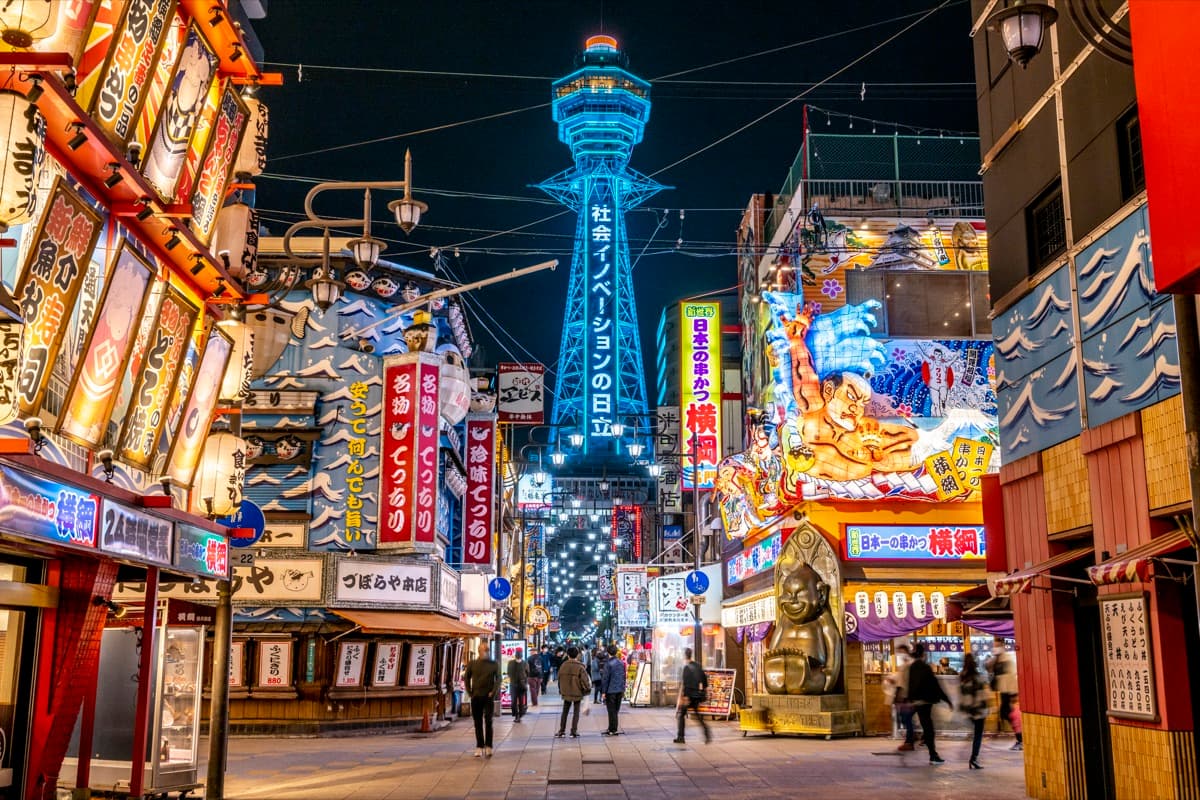
Shinsekai, the "New World" district, was built as a showpiece in the early 20th century and has kept its retro, slightly rough charm. Its landmark is Tsutenkaku tower; the observation deck (with the outdoor deck) is ¥1,500 and now needs a timed reservation.
Come in the evening for kushikatsu in the streets around the tower. It is one of the most fun experiences in the city.
Tennoji: Abeno Harukas and Shitennoji Temple
Next door, Tennoji is dominated by Abeno Harukas, a 300 m tower that was Japan's tallest building until 2023. Its Harukas 300 observation deck costs ¥2,200 (¥1,980 booked online) from July 2026 and is open 9:00–22:00.
A short walk away, Shitennoji Temple is one of Japan's oldest temples, founded in 593. The central precinct with its five-storied pagoda is ¥500 — and free on the 21st and 22nd of each month, when a market fills the grounds.
Sumiyoshi Taisha
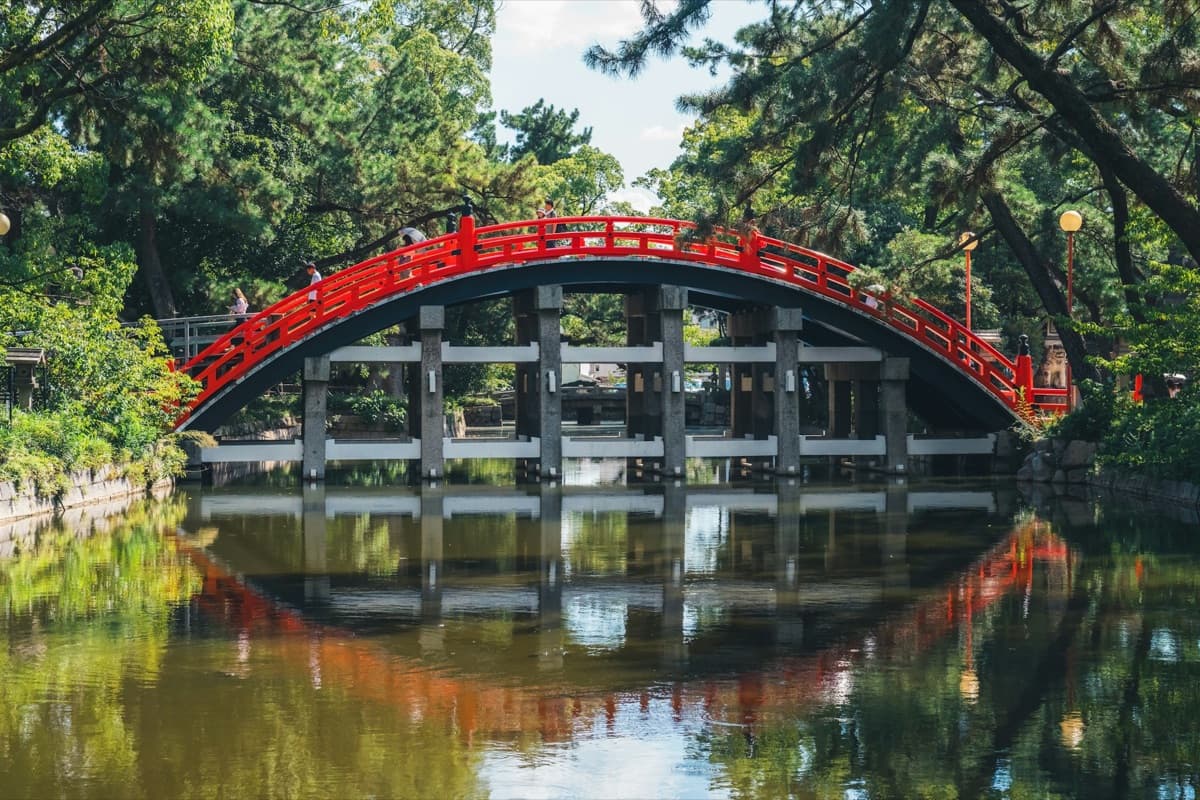
South of the center, by Nankai train from Namba, Sumiyoshi Taisha is one of Japan's oldest shrines, with a steep red arched bridge over its pond. The gates open at 6:30 in winter and 6:00 in summer; the inner precinct closes at 17:00.
The Bay: Osaka Aquarium and Universal Studios Japan
Osaka Aquarium Kaiyukan
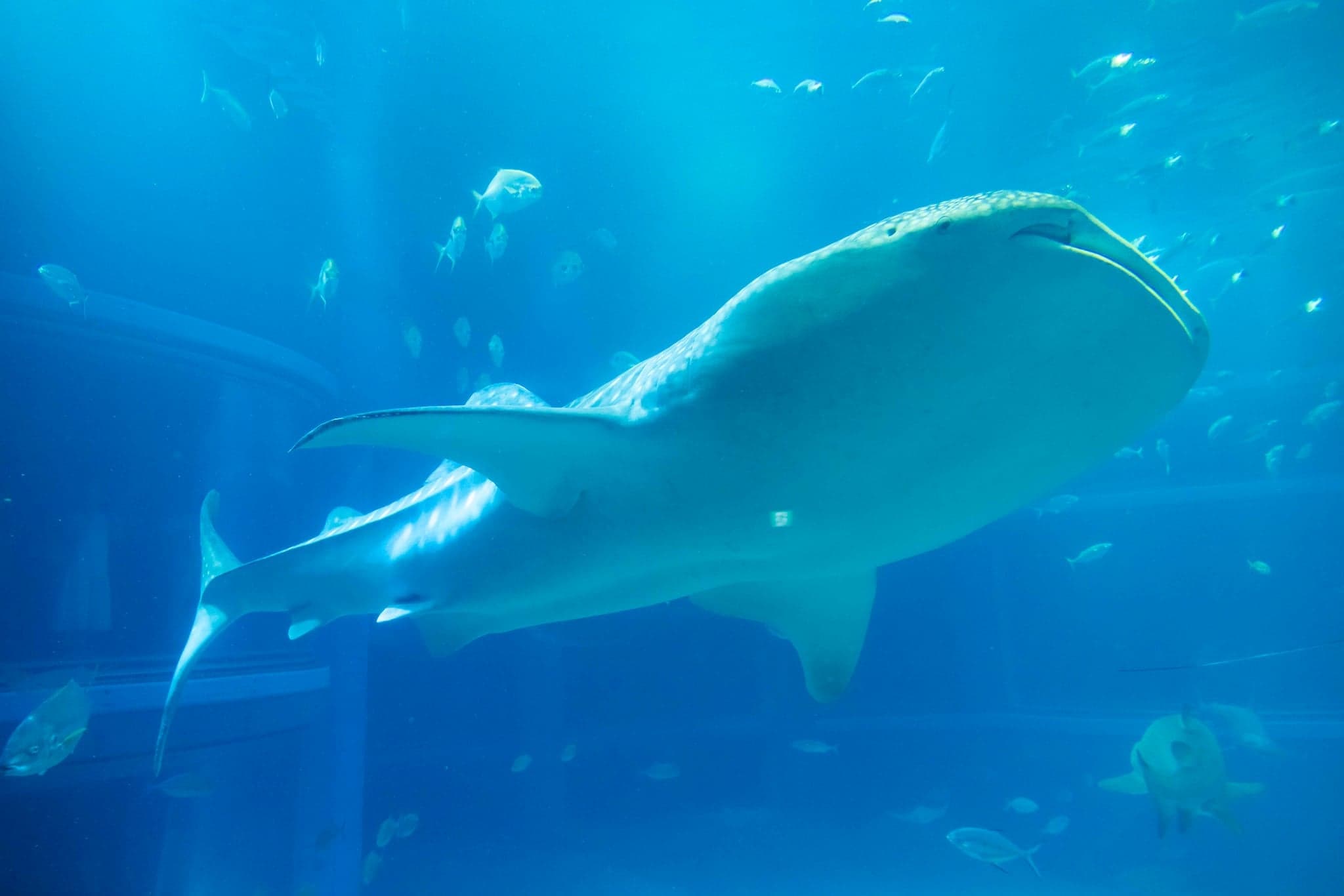
On the waterfront at Tempozan, the Osaka Aquarium Kaiyukan spirals down around one enormous central tank where whale sharks swim. It is one of the best aquariums in Japan, the whale sharks are the draw, and it is a sure hit with children. Tickets are priced by date — ¥2,800 to ¥3,500 for adults this autumn — and hours vary by day.
Universal Studios Japan
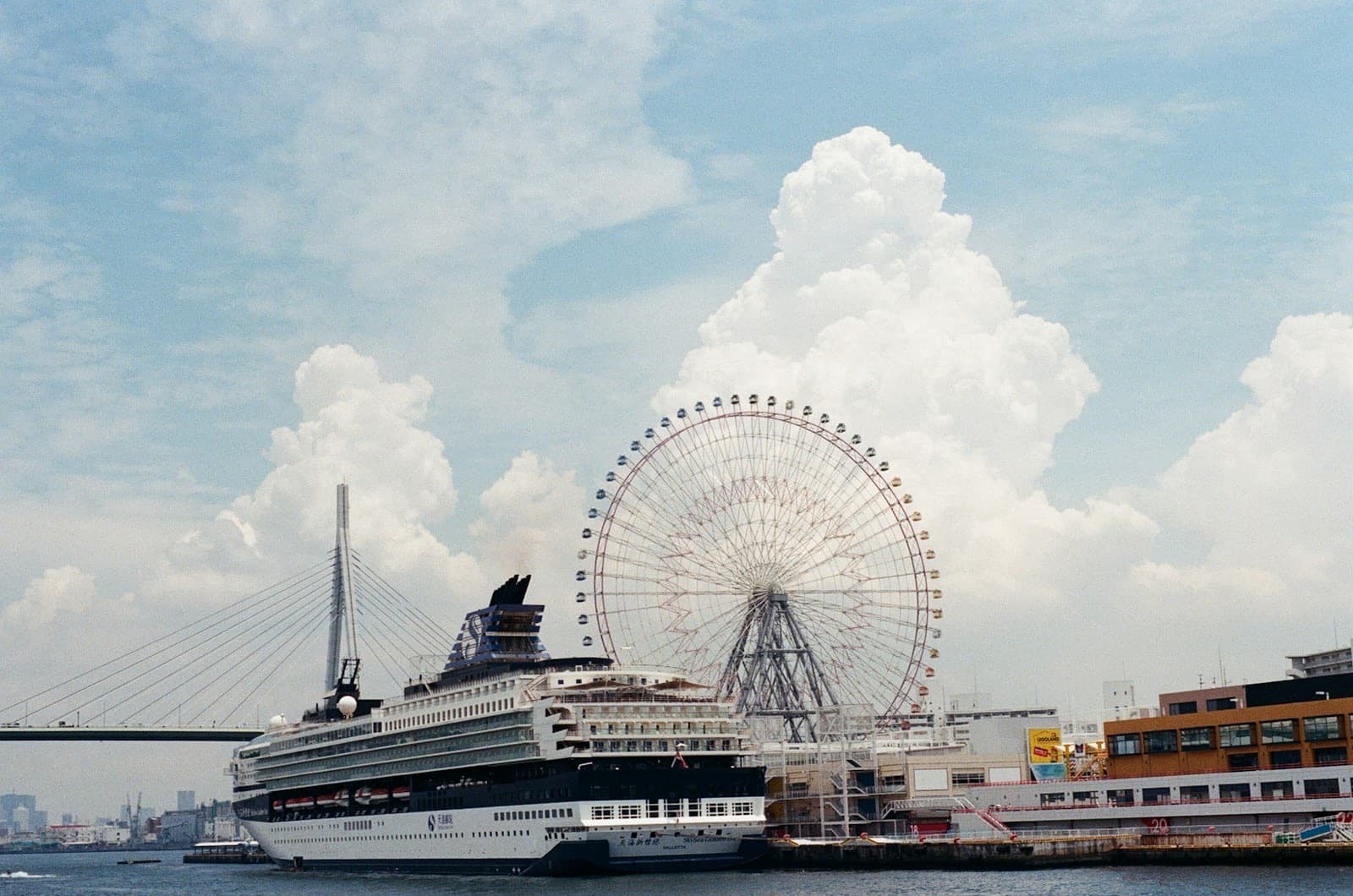
Across the bay, Universal Studios Japan is the theme park that brings many families to Osaka. One-day tickets start at ¥8,400 and are sold for a specific date, with prices rising on busy days. Our theme parks guide covers tickets, Express Passes and timing.
Several of our routes — TP002, TP005 and the family route FG004 among them — stay three nights at hotels beside the park, so the park day costs no travel time.
A note on the Expo 2025 site at Yumeshima: the city plans to keep about 200 m of the Grand Ring as a park people can climb, but no official source lists anything open to visitors yet.
Osaka's Top Attractions: Fees and Hours
Checked against each attraction's own site. Several went up in 2026, so older guides are out of date.
| Place | Admission (adult) | Hours |
|---|---|---|
| Osaka Castle Main Tower | ¥1,200 adult · free for junior high and under | 9:00–18:00; last entry 17:30 |
| Nishinomaru Garden (Osaka Castle) | ¥200 | Mar–Oct 9:00–17:00; Nov–Feb to 16:30; closed Mondays |
| Umeda Sky Building Floating Garden | ¥2,000 | 9:30–22:30; last entry 22:00 |
| Abeno Harukas 300 | ¥2,200 (¥1,980 online) | 9:00–22:00 |
| Tsutenkaku | ¥1,500 (timed reservation) | 9:00–21:45; last entry 21:15 |
| Shitennoji Temple | ¥500 central precinct · ¥300 garden | Oct–Mar 8:30–16:00; Apr–Sep to 16:30 |
| Osaka Aquarium Kaiyukan | ¥2,800–3,500 (price varies by date) | Varies by day; last entry 1 hour before closing |
| Tombori River Cruise (Dotonbori) | ¥2,000 | Every half hour 11:00–21:00; about 20 min |
| Osaka Museum of History | ¥600 | 9:30–17:00; closed Tuesdays |
Getting Around Osaka, and Where to Stay
The Osaka Metro covers almost everything; the Midosuji line runs north–south through Shin-Osaka, Umeda and Namba, and it is the one you will use most.
| Ticket or journey | Price or time | Notes |
|---|---|---|
| Osaka Amazing Pass | ¥3,500 (1 day) · ¥5,000 (2 days) | Unlimited Metro, city buses and in-city private railways, plus entry to about 40 sights |
| Enjoy Eco Card (Metro 1-day) | ¥820 weekdays · ¥620 weekends | Unlimited Osaka Metro and city buses |
| Kansai International Airport → Namba (Nankai rapi:t) | About 38 min | Express charge ¥700 on top of the fare |
| Kansai International Airport → Shin-Osaka (JR Haruka) | About 52 min | |
| Shin-Osaka → Umeda (Midosuji line) | About 6–7 min | |
| JR Osaka station → Kyoto (Special Rapid) | About 28 min |
Is the Osaka Amazing Pass Worth It?
Only on a sightseeing-heavy day of exploring Osaka. At ¥3,500 it includes free entry to about 40 sights (the Umeda Sky Building, for example, from 9:30 to 15:00) as well as transport, so it pays off if you visit three or four of them. For a day of wandering and eating, the ¥820 Metro day pass — or simply the IC card every one of our routes includes — is enough.
Where to Stay: Namba or Umeda?
Stay in Namba if the point of Osaka is eating and nightlife; everything in Minami is within walking distance of a Namba hotel. Travelers who prefer Namba usually want to walk back to the hotel after dinner. Prefer Umeda if you plan day trips, since Osaka station has the fastest trains to Kyoto, Kobe and Himeji. Our guide to where to stay in Osaka compares the areas and lists the hotels our routes book, from a mid-range hotel by the station to a luxury hotel in Umeda. Whichever hotel you choose, the tax below is usually collected by the hotel as an extra cost.
Osaka Prefecture charges an accommodation tax per person per night, revised from 1 September 2025:
| Room rate per person per night | Accommodation tax |
|---|---|
| Under ¥5,000 | No tax |
| ¥5,000–14,999 | ¥200 |
| ¥15,000–19,999 | ¥400 |
| ¥20,000 and over | ¥500 |
Day Trips From Osaka
Osaka's great advantage is how much is within a day trip. These are the ones our routes use.
Kyoto
About 28 minutes from Osaka station on the Special Rapid. If Kyoto is not already on your route, it is the obvious day trip — see our things to do in Kyoto guide and the Kyoto–Osaka train guide.
Nara and the Deer Park
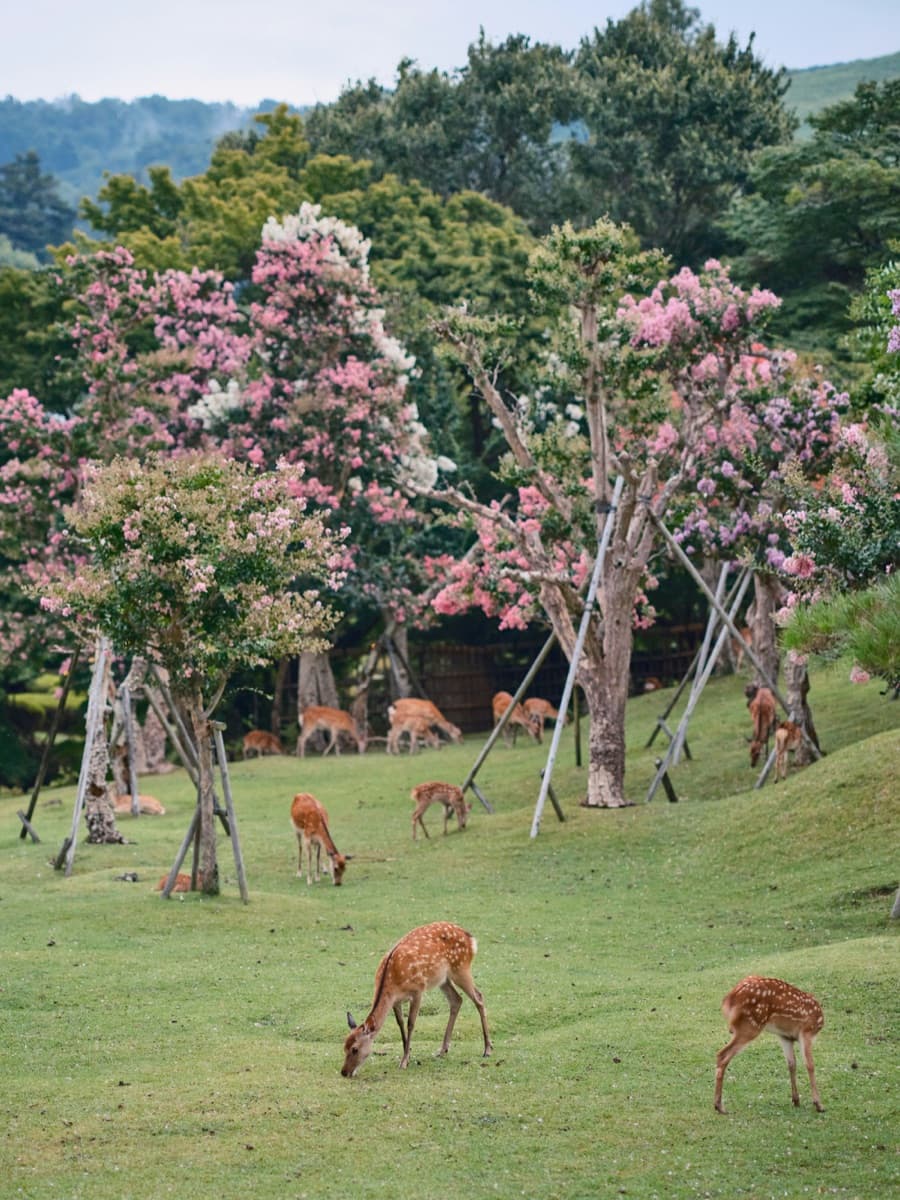
The Kintetsu rapid express from Osaka Namba reaches Nara in about 35–40 minutes. Nara Park, the deer park, is a short walk from the station, with Todai-ji's Great Buddha and Kofuku-ji's pagoda around it. Our Nara day trip guide has the trains and fares.
Himeji Castle
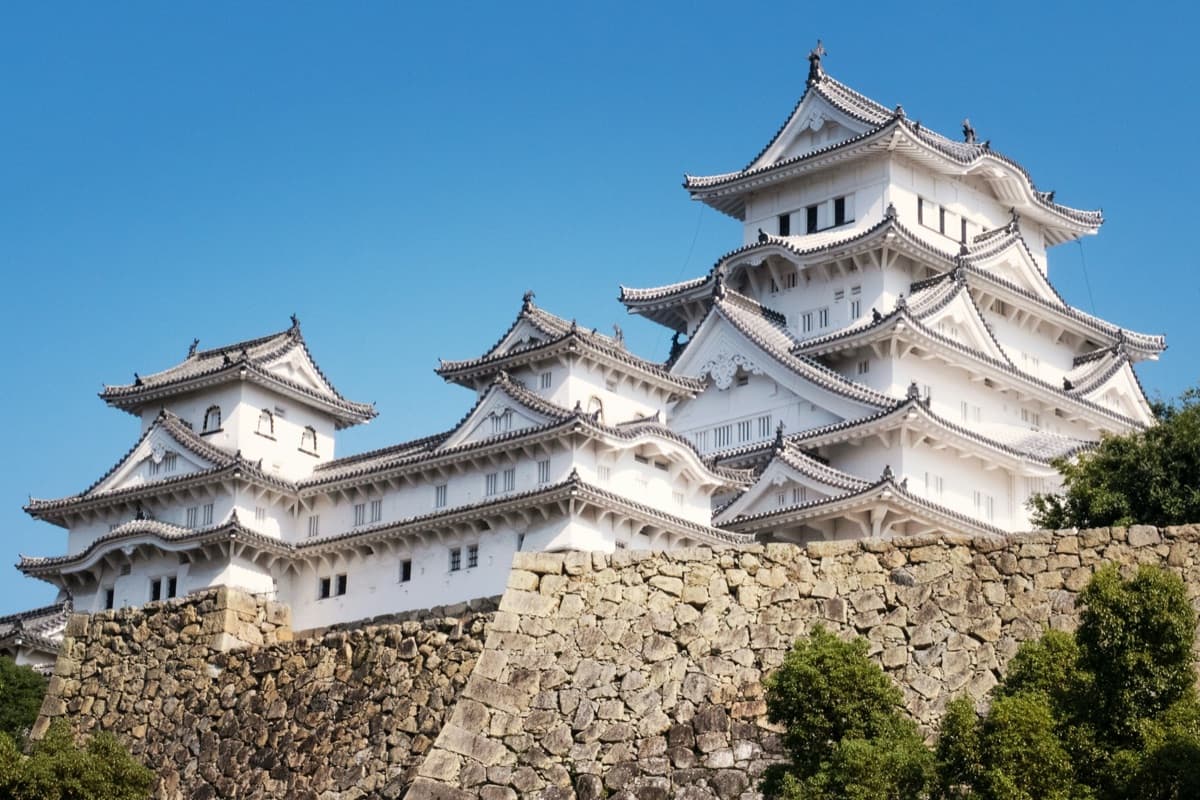
Himeji Castle, the finest original castle in Japan, is about an hour from Osaka station on the Special Rapid. Since March 2026 admission is ¥2,500 for visitors aged 18 and over (free under 18), open 9:00–17:00 with last entry at 16:00 — worth it, but plan for the price. BF004 visits Himeji on the way to Osaka.
Kobe, Minoo and Koyasan
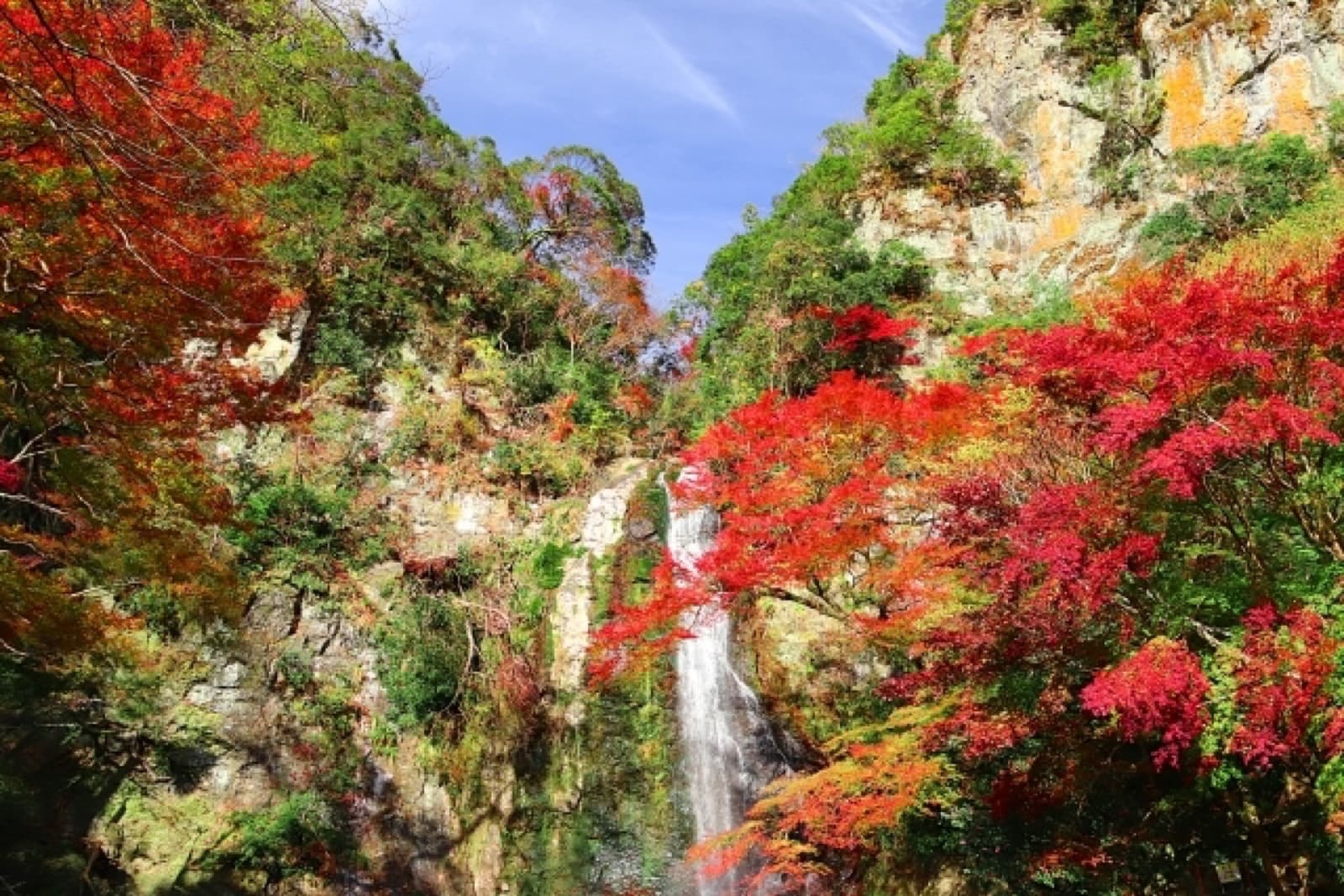
Kobe is about 22 minutes away on the JR Special Rapid, for the harbor and Kobe beef. Minoo Park, north of the city by Hankyu train, is a forest valley with a 40–50 minute walk up to the Minoo waterfall — spectacular in autumn. And Koyasan, the temple mountain, is a long day trip by Nankai from Namba that GR001 builds in.
A 3-Day Osaka Itinerary
This Osaka itinerary follows the way our routes use the city. With two days, keep Days 1 and 2.
Day 1: Minami — Kuromon, Dotonbori and Shinsekai
- Late morning: Kuromon Ichiba Market for a grazing lunch.
- Afternoon: Namba Yasaka Shrine, Shinsaibashi-suji and Hozenji Yokocho.
- Evening: Dotonbori after dark — the river cruise, then takoyaki and okonomiyaki.
Day 2: Osaka Castle, Umeda and Tennoji
- Early morning: the Osaka Castle park before the tour groups, then the main tower when it opens at 9:00.
- Afternoon: Nakanoshima or Shitennoji, then Shinsekai and Tsutenkaku.
- Sunset: the Umeda Sky Building or Abeno Harukas for the city views.
Day 3: A Day Trip or the Theme Park
- Nara and its deer, Himeji, Kyoto, or a full day at Universal Studios Japan.
When to Visit Osaka
- Spring: plum blossoms at the castle from January to March, then cherry blossom season from late March — see our 2027 forecast.
- Summer: hot and humid, with the Tenjin Matsuri river festival in late July.
- Autumn: from late October into November, the best weather and the maples at Minoo and the castle — our Osaka autumn leaves guide has the timing.
- Winter: mild, quieter, and the season for illuminations along the rivers at night.
Self-Guided Routes With Osaka Nights
Forty-one of our routes stay in Osaka: twenty-eight for two nights, eleven for three. These seven cover the range, from budget weeks to a theme-park trip, a family route and a luxury Kansai journey. Prices are per person and move with season and room type; entrance fees are not included.
| Route | Length | From (per person) | Shape |
|---|---|---|---|
| Japan Golden Route Highlights (BF001) | 7 days | $1,200–1,800 | Tokyo, Kyoto, then two nights in Osaka. Luggage sent from Tokyo to Osaka. |
| Japan History & Modern Cities (BF004) | 7 days | $1,400–1,900 | Tokyo, Hiroshima, Himeji on the way, two nights in Osaka. |
| Kansai & Setouchi: History, Onsen & Island Beauty (KA003) | 8 days | $2,200–3,100 | Starts and ends in Osaka, with our staff meeting you at the airport; Kinosaki, Himeji and Hiroshima. |
| Hidden Gems of Japan: Ise-Shima Escape (GR001) | 12 days | $3,300–4,400 | Nagoya and Ise-Shima, then three nights in Namba with a Koyasan day trip, then Kyoto. |
| Culture, Nature, and Universal City Adventure (TP002) | 12 days | $3,000–4,400 | Tokyo, Hiroshima, three nights by the theme park in Osaka, then Kyoto. |
| Family Holidays: Family Journey to Japan’s Classics (FG002) | 13 days | $2,900–4,300 | Four nights in an Osaka apartment hotel for families, between Hakone and Takayama. |
| Refined Kansai Journey: Lake Biwa & Castles (LX002) | 11 days | $6,500–9,400 | Lake Biwa and Kyoto with chartered taxis, then two nights in Umeda. |
Interested in a tour? Click the route name above, or search by route code in the top-right Search bar.
From our Japan travel team
If Osaka is your base for Kansai, two nights is the minimum and three is better: one day for the city, one for Nara or Himeji, one for Universal Studios Japan or Kyoto. Tell us which day trips matter most to you and we will put the nights in the right city.
FAQ: Things to Do in Osaka
What are the best things to do in Osaka?
Dotonbori at night, Kuromon Market and the street food, Osaka Castle, the Umeda Sky Building, Shinsekai and Tsutenkaku, and the Kaiyukan aquarium — plus day trips to Kyoto, Nara and Himeji.
How many days do you need in Osaka?
Two days covers the city: Minami and Dotonbori on one, Osaka Castle, Umeda and Tennoji on the other. Add a third for Nara, Himeji or Universal Studios Japan.
Is the Osaka Amazing Pass worth it?
Only if you will visit three or four of its roughly 40 included sights in a day. It costs ¥3,500 for one day or ¥5,000 for two; for a day of eating and walking, the ¥820 Metro day pass is enough.
How much is Osaka Castle?
The main tower is ¥1,200 for adults and free for junior high age and under, open 9:00–18:00 with last entry at 17:30. The castle park is free; the Nishinomaru Garden is ¥200.
Should I stay in Namba or Umeda?
Namba for food and nightlife, with Dotonbori on the doorstep; Umeda for trains, since Osaka station is fastest for Kyoto, Kobe and Himeji.
How long is the trip from Osaka to Kyoto?
About 28 minutes from Osaka station on the Special Rapid. Nara is about 35–40 minutes by Kintetsu from Namba, and Himeji about an hour by JR.
Fees, hours and fares were checked on 23 September 2026 against each attraction's own site, OSAKA-INFO, Osaka Metro, Nankai, JR West, Himeji City and Osaka Prefecture. Routes and prices are from our catalogue on the same date.
Two or Three Nights in Osaka, Arranged
Our self-guided routes give you Osaka with the Shinkansen tickets, the hotel, an IC card for the Metro and trains, and your big luggage sent ahead — with our team in Japan on call throughout.
Related Articles
Kyoto to Osaka: The Practical Guide for Self-Guided Travelers
13 min read
Tokyo to Osaka (and Back): Shinkansen vs Flight vs Bus — Times, 2026 Prices & When the JR Pass Pays
18 min read
Osaka Autumn Leaves 2026: Peak Dates, Minoo Park & Why It Beats Kyoto as a Base
15 min read