Climbing Mt Fuji 2026: A Practical Guide for Self-Guided Travelers
Under the 2026 rules, climbing Fuji is more paperwork than rope-and-harness. The ¥4,000 fee, online reservations, gate closures, mountain huts, mandatory gear — and how to slot a climb into a self-guided trip.
So you want to stand on top of Japan. Honestly, climbing Mt Fuji in 2026 is more red tape than rope-and-harness adventure — and that's the part most blog posts skim past. The mountain isn't technically difficult. The paperwork, the gates, and the hut bookings are where unprepared climbers get caught out.
This guide is built for independent travelers planning a self-guided Japan trip. No tour bus, no guide holding your hand — just you, a backpack, and a plan that works under the new 2026 rules.
Quick Answer: Climbing Mt Fuji 2026
Yes, you can still climb — but you must register online and pay a ¥4,000 fee (all four trails). Season runs July 1–Sept 10 (Fujinomiya & Gotemba from July 10). The Yoshida gate closes 2pm–3am unless you have a mountain hut booking, and the Yoshida Trail is capped at 4,000 climbers/day. Most people stay overnight in a hut and summit for sunrise.
Season
Jul 1–Sep 10
Fee
¥4,000
Gate closed
2pm–3am
Summit
3,776 m
Mt Fuji Climbing Season 2026: The Official Dates
The Yoshida and Subashiri trails run July 1 to September 10, while the Fujinomiya and Gotemba trails open July 10 to September 10. Outside the official season the trails aren't maintained, huts are closed, and conditions are genuinely dangerous — snow, ice, extreme wind. Treat the opening date as a hard line; don't try to sneak up in June.
Best windows: weekdays in early July or early September — smaller crowds, available hut bookings, generally stable weather. Avoid mid-August's Obon week, when trails hit maximum capacity and you can literally queue at bottleneck passages. Early July is quietest but has the most volatile weather as the rainy season ends.
Mt Fuji Entry Fee 2026: What You're Paying
The mandatory climbing fee is ¥4,000 (about $27) per person, applied to all four trails for 2026 — a doubling from the ¥2,000 first charged on the Yoshida Trail in 2024. It's non-refundable regardless of summit success, weather, or altitude sickness turnbacks, and it funds trail maintenance, rescue operations, toilets, and environmental work.
How and Where to Pay
For the Yoshida Trail, book through the official portal (fujisan-climb.jp) and pay the ¥4,000 online. For Fujinomiya, Subashiri, or Gotemba (the Shizuoka-side trails), use the FUJI NAVI app: register, complete a mandatory ~7-minute safety video and quiz (available in English, Chinese, Korean, Vietnamese, and Thai), pay the fee, and you'll get a QR code to scan at the trailhead for a physical entry wristband.
The Four Trails: Which One Should You Pick?
Each trail starts at a different 5th Station — where the paved road ends and the climb begins.
Yoshida Trail (most popular)
The default first-timer route. Starts at 2,300m, has the most huts and facilities, separate ascent/descent paths, and takes ~10 hours round trip. Easiest access from Tokyo (direct bus from Shinjuku) and closest to Lake Kawaguchi for a rest day.
Subashiri Trail
Starts lower (~2,000m) in forest and merges with the Yoshida Trail near the 8th station. Quieter and more atmospheric; now opens the same date as Yoshida.
Fujinomiya Trail
The shortest route — its 5th Station (~2,400m) is closest to the summit (4–7 hours up). Easily reached from the Tokaido Shinkansen via Fujinomiya or Shin-Fuji Station.
Gotemba Trail
The longest, lowest (~1,400m), and hardest (7–10 hours up). Only for strong hikers who want solitude. Reached via Gotemba Station.
How to Book a Mountain Hut
Most climbers stay overnight in a hut, sleep a few hours, then push for the summit before sunrise. Hut reservations for the 2026 season typically open between late March and early April, and prime weekend and Obon-week dates sell out within hours to days. If you're reading this in June and want a Saturday in August — the answer is probably no.
Expect ¥10,000–¥17,600 for a weekday stay with dinner (usually curry rice) and a packed breakfast. Huts are cash only, as are the toilets (¥200–¥300 each). A 500ml water bottle on the mountain runs about ¥500. Huts aren't hotels — you sleep shoulder-to-shoulder on bunks. Bring earplugs.
The Mandatory Items Rangers Actually Check
Rangers can stop you at the gate and inspect your kit. Three items are essential: warm clothing (fleece or down jacket), two-piece waterproof rain gear (jacket and pants), and proper trekking boots. Sneakers will not pass — poorly prepared climbers genuinely get refused entry. The summit is near freezing even in August.
Gate Closures & the End of Bullet Climbing
"Bullet climbing" — starting in the evening and pushing straight to the summit without sleeping — is now effectively shut down. Trailhead gates close from 2pm to 3am, except for climbers with a confirmed hut reservation. Without a hut, you must start before 2pm and be back down before nightfall.
The Yoshida Trail also has a hard daily cap of 4,000 climbers (3,000 advance + 1,000 same-day). In practice this rarely sold out in 2024 or 2025, but hut-equipped slots on peak dates go fast — book early.
Getting There From Tokyo
The bus is easiest. During the season, direct buses run from Shinjuku Expressway Bus Terminal (Busta Shinjuku) to the Fuji Subaru Line 5th Station (Yoshida Trail) — roughly ¥2,800–¥3,800 one-way, about 2 hours 35 minutes. No direct bus? Route via Kawaguchiko Station and take the mountain bus. For Fujinomiya, take the Tokaido Shinkansen and connect at Fujinomiya or Shin-Fuji; for Gotemba, the bus from Gotemba Station. If you're also using a rail pass, see our Japan Rail Pass price 2026 guide.
Altitude — not difficulty — is the real risk. The summit sits at 3,776m and the air thins fast. Walk slowly, hydrate constantly, rest at your hut to acclimate, and turn around if you get dizzy, nauseous, or a pounding headache.
Itinerary & Cost for a Self-Guided Climb
A typical budget from Tokyo runs ¥25,000–¥40,000: round-trip bus (~¥5,600), one-night hut with two meals (¥10,000–¥17,600), the ¥4,000 fee, gear rental if needed (~¥12,000), and on-mountain cash for toilets and water (~¥3,000).
Sample 10-day Tokyo + Fuji + Kyoto plan:
- Days 1–3: Tokyo (Shinjuku, Asakusa, a day trip to Nikko)
- Day 4: Bus from Shinjuku to the 5th Station; climb to an 8th-station hut by late afternoon
- Day 5: 1am start, sunrise on the summit, descend, bus to Kawaguchiko
- Day 6: Rest day at Lake Kawaguchi (onsen, Fuji views from below)
- Days 7–10: Shinkansen to Kyoto, temples, day trip to Nara
That rest day at Lake Kawaguchi is non-negotiable — your legs will hate you on day 6. Pair this with our Japan in July 2026 guide if you're timing the climb with summer festivals.
Common Mistakes to Avoid
- Showing up without a registration QR code or wristband
- Booking your hut for the wrong night (read the dates twice)
- Wearing running shoes — you'll be turned away
- Not carrying enough cash
- Attempting a day climb after a red-eye from Tokyo
- Underestimating the cold — the summit is near freezing even in August
- Treating Fuji like a casual hill walk
Outside the Climbing Season: Fuji From the Ground
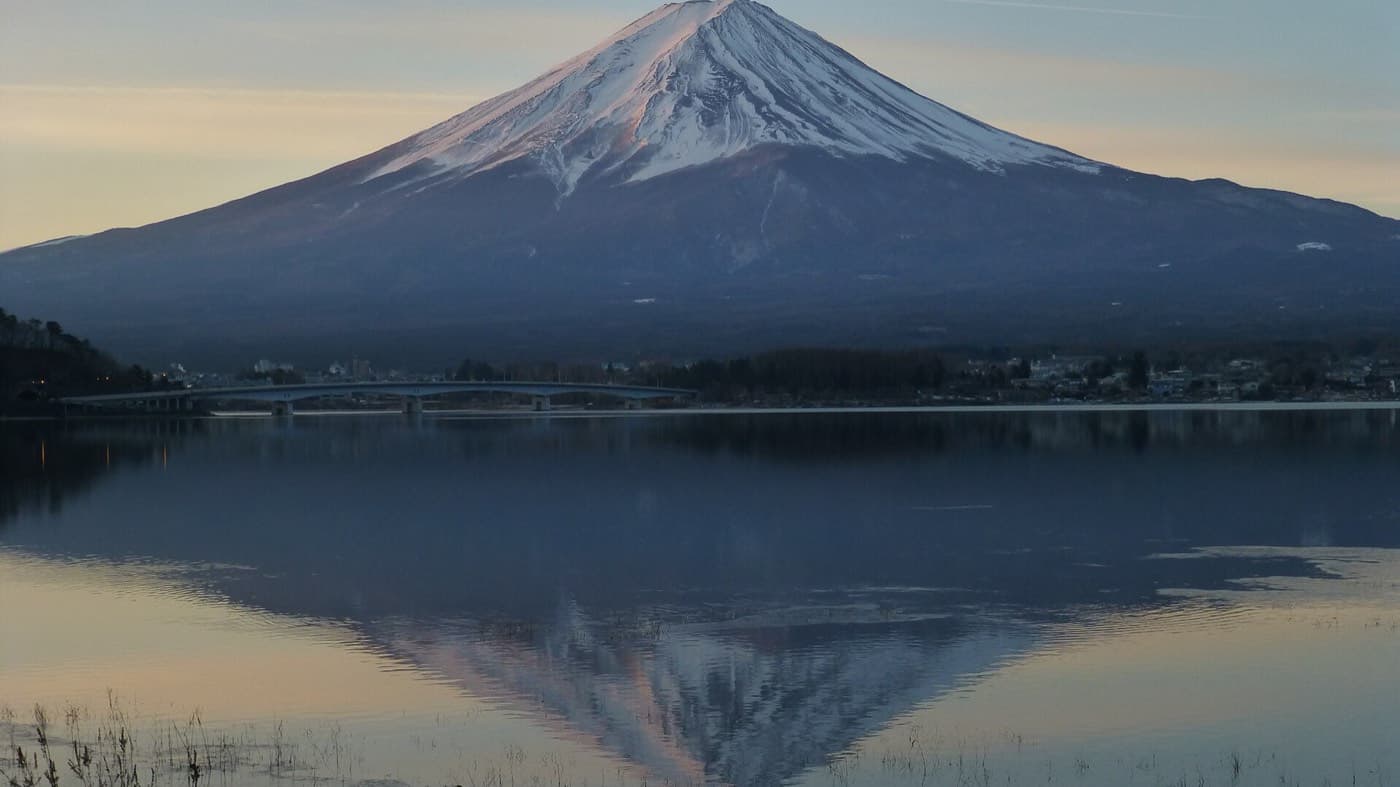
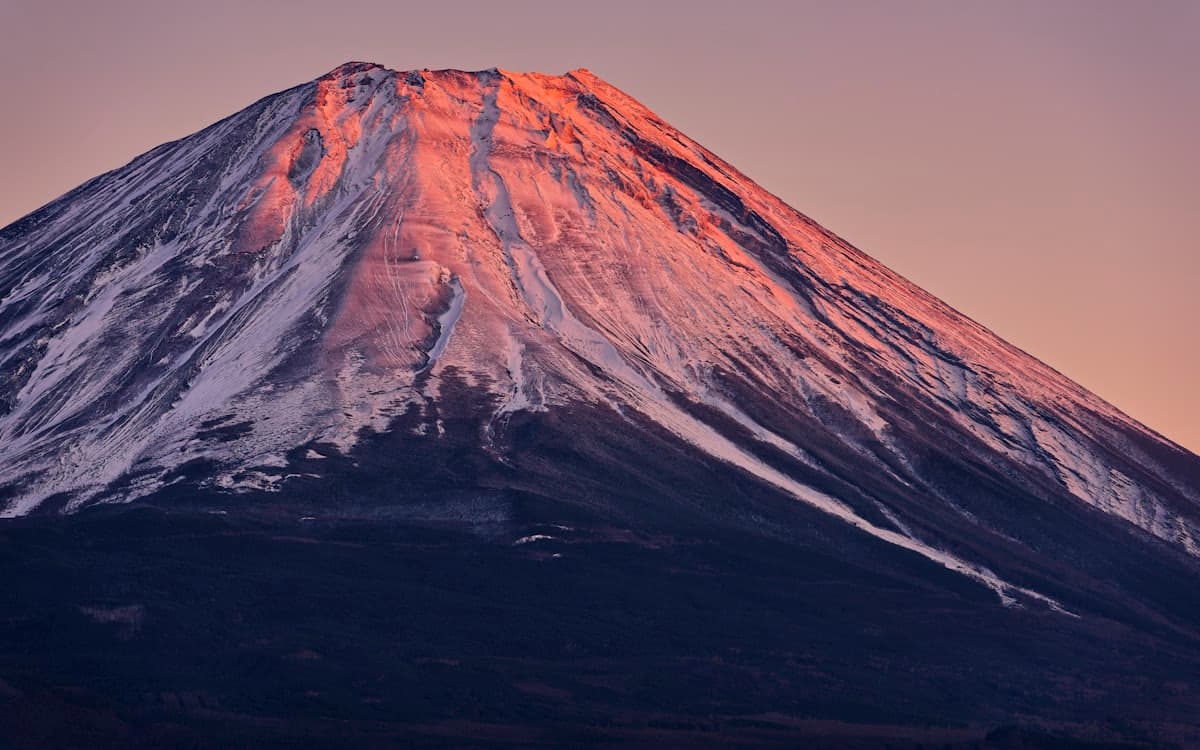
Fuji's official climbing season closes in early September, and the mountain should not be attempted outside it — the huts shut, the buses stop, and above the treeline it becomes a serious winter alpine climb that kills experienced mountaineers most years. The good news for everyone else is that autumn and winter are when Fuji actually looks its best from below.
- Winter is the clear-air season. Fuji is far more reliably visible from December to February than in summer, when haze hides it for weeks. See Kawaguchiko and the Fuji Five Lakes.
- Autumn colour at the base. Mount Fuji autumn leaves peaks around the lakes in early to mid-November — red maples with a snow-capped cone behind them.
- Nearby onsen. Hakone and the onsen guide.
Planning to climb in a future year? The season runs early July to early September, and 2026 brought new access rules and fees — check the current requirements before booking, and see best time to visit Japan for how the climbing window sits against the rest of the year.
Planning a Japan trip around Mount Fuji, whether you climb it or just want the view? Get in touch through Plan My Trip on our self-guided tours site, and we'll suggest the tours that best fit your dates and plans.
FAQ: Climbing Mt Fuji 2026
When does the Mt Fuji 2026 climbing season start?
The Yoshida and Subashiri trails open July 1, 2026. The Fujinomiya and Gotemba trails open July 10. All four close September 10.
How much is the Mt Fuji entry fee in 2026?
¥4,000 per person on all four trails, paid online during registration. It's non-refundable.
Can I climb Mt Fuji in a single day?
Technically yes, but it's strongly discouraged. The 2pm gate closure makes an overnight hut stay the practical default, and same-day climbing significantly increases altitude-sickness risk.
Do I need a guide to climb Mt Fuji?
No. The hike isn't technically difficult, trails are well marked, and during the official season you're rarely alone. Most people climb without a guide.
Is bullet climbing still allowed?
No, effectively banned. Trailhead gates close 2pm–3am and only climbers with a confirmed mountain hut reservation can pass during those hours.
Where can I see Fuji without climbing it?
Lake Kawaguchi, Hakone, and the Fuji Five Lakes region all offer great views — often more dramatic than the view from the summit itself.
What if the weather is bad on my booked day?
The ¥4,000 fee and most hut bookings are non-refundable. Some huts allow date changes up to the day before. Build a buffer day into your trip if you can.
Can I climb Fuji during cherry blossom season or Golden Week?
No. The mountain is closed and dangerous outside July–September. Spring trails are still under snow and ice — plan a Fuji climb for summer.