Japan Rainy Season 2026: Dates by City + What to Pack
2026 tsuyu start and end dates for Tokyo, Kyoto, Osaka, Fukuoka, Sapporo and beyond — plus what to pack and how to make the most of it.
If you are planning a trip to Japan in late spring or early summer, the rainy season — known locally as tsuyu — is the single biggest factor that will shape your experience. From early June through mid-July, most of Japan settles into a period of overcast skies, intermittent rain, and the kind of humid, contemplative atmosphere that has inspired Japanese poetry for over a thousand years. For the whole month around it, see Japan in June 2027.
This guide breaks down the Japan rainy season 2026 dates for Tokyo, Kyoto, Osaka, and every major city you are likely to visit, alongside a complete packing list and rainy day plans for when the weather gets serious.
The good news: despite the rain, this can be one of the most rewarding times to explore Japan — fewer tourists, lush greenery, and significantly lower hotel prices than peak season.
Quick Answer: When Is Japan's Rainy Season in 2026?
Tsuyu 2026 is over. Per JMA's preliminary figures, Tokyo and Nagoya ran June 7 to July 20, while Kyoto, Osaka and Fukuoka all cleared on July 8 — eleven days earlier than normal and twelve days before Tokyo. The north ran latest: Sendai and Hokuriku did not clear until August 4. Hokkaido has no rainy season.
Tokyo
Jun 7 – Jul 20
Kyoto / Osaka
Jun 4 – Jul 8
Fukuoka
Jun 4 – Jul 8
Sapporo
No tsuyu
What Is Japan's Rainy Season?
Japan's rainy season is a distinct climatic period when warm, moist air from the Pacific meets cooler air from the north, forming a stationary front that sits over the Japanese archipelago for roughly four to six weeks.
The result: rainy days, sometimes light rain and sometimes heavy rain, occasional torrential downpours, and consistently overcast skies broken by humid sunshine.
It is a defining feature of Japan's distinct seasons — alongside the cherry blossom season in spring, summer festivals in July and August, autumn foliage from late September in the north to mid-December in the south, and the cold air of December-February.
For visiting Japan in June, understanding tsuyu is not optional. It shapes everything from how you pack to which cities you prioritize to what time of day you sightsee. For a broader month-by-month look, see our best time to visit Japan 2026 guide, or compare with our Japan in June 2026 guide.
The Meaning of Tsuyu (Plum Rain)
The Japanese word for rainy season is tsuyu (梅雨), which literally translates to "plum rain" — named after the Japanese plums that ripen during this period.
Plum rain is woven deeply into Japanese culture. Centuries-old poetry, classical paintings, and even modern songs reference the moodiness, humidity, and quiet beauty of these weeks.
For travelers, understanding the rhythm of plum rain helps you plan around — or even into — its strengths.
How Rainy Season Differs from Typhoon Season
Tsuyu and typhoon season are often confused, but they are separate phenomena.
Rainy season runs roughly from early June through mid-July across most of Japan. Typhoon season is a separate, longer window: it runs from May through October, but the storms that reach Japan cluster from July onward, with peak risk in August and September.
Unlike typhoons, the rainy season rarely produces dangerous conditions. Most rain falls in light or moderate amounts, with occasional heavier bursts. Daily life continues normally — trains run, shops open, festivals happen.
Typhoons, by contrast, can disrupt entire travel itineraries. If you are choosing between June (tsuyu) and August-October (typhoon season), tsuyu is almost always the safer bet for predictable trip planning.
It is also worth noting that flight cancellations and shinkansen delays are extremely rare during rainy season. Even on the heaviest tsuyu days, Japan's transportation infrastructure handles the rain without significant disruption — a marked contrast to typhoon season, when entire rail lines can suspend service for 12-24 hours at a stretch.
Japan Rainy Season 2026 Dates: Tokyo, Kyoto, Osaka and Beyond
The Japan Meteorological Agency (JMA) issues official rainy season start and end announcements each year. Based on the past 30 years of data, average dates fall in remarkably consistent windows.
Below are the 2026 dates for the major cities most travelers visit, alongside the 1991–2020 normal for each. The Japan Meteorological Agency announced them region by region as the front moved north. They are 速報値 — preliminary — until JMA reviews the season and publishes confirmed values, and revisions do happen: Kanto's 2022 end moved from June 27 to July 23.
The Source: The Japan Meteorological Agency
The Japan Meteorological Agency is the official body responsible for weather forecasts in Japan, including announcements of rainy season begin and end dates. JMA divides Japan into 12 regions and announces dates separately for each: Okinawa, Amami, southern and northern Kyushu, Shikoku, Chugoku, Kinki, Tokai, Kanto-Koshin, Hokuriku, and southern and northern Tohoku.
JMA typically declares that rainy season "began" or "ended" the day after consistent rain (or sun) patterns establish themselves. These announcements are sometimes revised retroactively if weather patterns shift in unexpected ways.
For the confirmed 2026 figures, and for next year's announcements as they land in late May and early July, check the JMA website or major Japanese news outlets. Most weather apps used in Japan also display the official tsuyu status.
When Does Rainy Season Begin? Early June Patterns
Across Japan, rainy season begins in the south and works its way north. Okinawa enters first, around early May. Most of the rest of Japan follows in early June. Tohoku (northern Honshu) enters last, normally in mid-June — though in 2026 Hokuriku tied southern Tohoku at June 20, so the north arrived together rather than in sequence.
Hokkaido — Japan's northernmost main island — is the only region that does not experience tsuyu in any meaningful sense. Sapporo and the rest of the island stay relatively dry while the rest of the country deals with wet streets, wet clothes, and overcast skies.
Early June is therefore the critical window. If you arrive before June 5 or so, you may still enjoy mostly dry weather in Tokyo, Kyoto, and Osaka. Arrive after June 8, and you are solidly in tsuyu.
When Does Rainy Season End? Early July Across Most Regions
Rainy season lasts roughly six weeks in most regions, ending in mid-July with the dramatic clearing of skies and the start of Japan's hot, humid main summer.
Early July is when the first regions start exiting tsuyu. Okinawa typically clears by June 21. Southern Kyushu and Shikoku follow in mid-July. Tokyo, Kyoto, and Osaka normally transition out around July 19 — but Kanto and Kinki can diverge sharply, and did in 2026, when Kinki cleared on July 8 and Tokyo not until July 20. If you are splitting a trip between Tokyo and Kyoto, check the two regions separately. Tohoku is last, often holding rainy days until late July and, in 2026, to August 4.
The end of tsuyu is dramatic. The day JMA announces rainy season's end, temperatures often jump 5°C and humidity changes character — from sticky-cool to hot and oppressive. This is when major summer festivals truly take off.
City-by-City Rainy Season 2026 Dates
Here is how 2026 actually ran in the cities most travelers visit, against the 1991–2020 normal. Six of the eight regions finished away from the normal, most of them earlier.
2026 rainy season dates by city / region (JMA preliminary, updated 4 August 2026), with the 1991–2020 normal
| City / Region | 2026 start | 2026 end | Normal |
|---|---|---|---|
| Naha (Okinawa) | May 4 | Jun 29 | May 10 – Jun 21 |
| Fukuoka / N Kyushu | Jun 4 | Jul 8 | Jun 4 – Jul 19 |
| Kyoto | Jun 4 | Jul 8 | Jun 6 – Jul 19 |
| Osaka | Jun 4 | Jul 8 | Jun 6 – Jul 19 |
| Nagoya | Jun 7 | Jul 20 | Jun 6 – Jul 19 |
| Tokyo | Jun 7 | Jul 20 | Jun 7 – Jul 19 |
| Sendai / S Tohoku | Jun 20 | Aug 4 | Jun 12 – Jul 24 |
| Sapporo (Hokkaido) | No tsuyu | N/A | — |
Tokyo Rainy Season 2026 Dates
2026 (JMA preliminary): started June 7, ended July 20 — a 44-day season, one day longer than the 43-day normal.
Tokyo's rainy season begins when the front passes north over the Kanto region. Average rainfall in Tokyo during tsuyu is around 170mm spread across 12-15 rainy days per month.
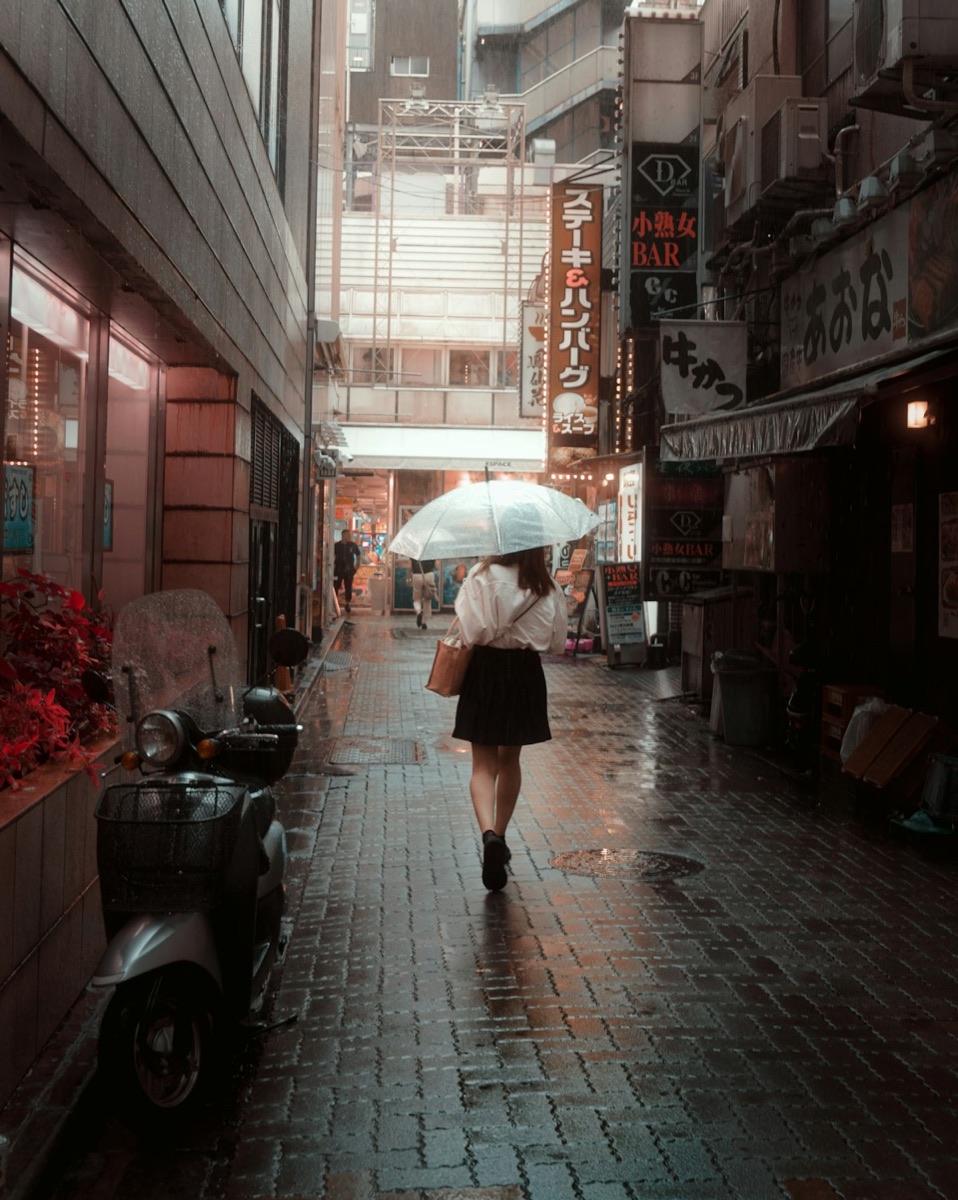
Most rain falls in short showers rather than all-day downpours. You will typically have several hours of dry weather each day, with morning or evening rain most common.
Major cities like Tokyo handle tsuyu well. The vast underground shopping arcades, covered train stations, and dense urban infrastructure mean you can spend entire days indoors if you want to.
Kyoto Rainy Season 2026 Dates
2026 (JMA preliminary): June 4 to July 8 — eleven days earlier than the July 19 normal.
Kyoto enters rainy season a day or two before Tokyo on average, since it sits slightly further south and west.
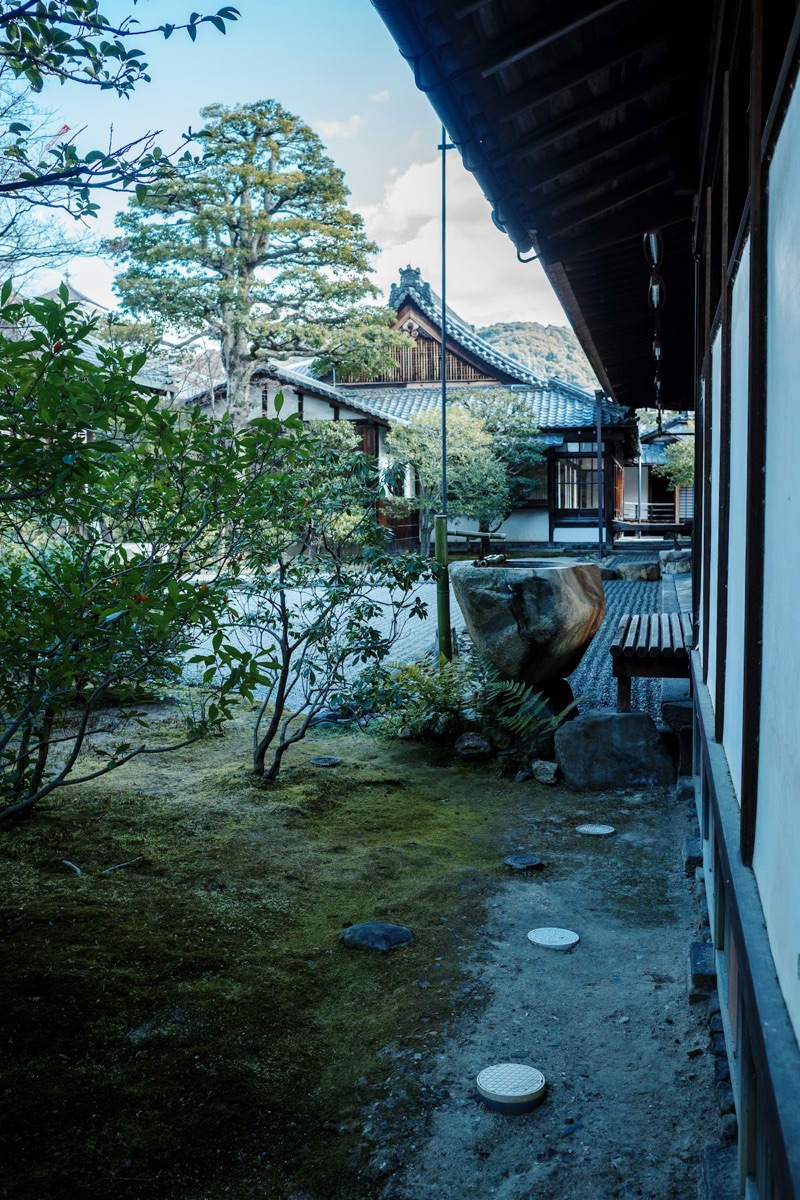
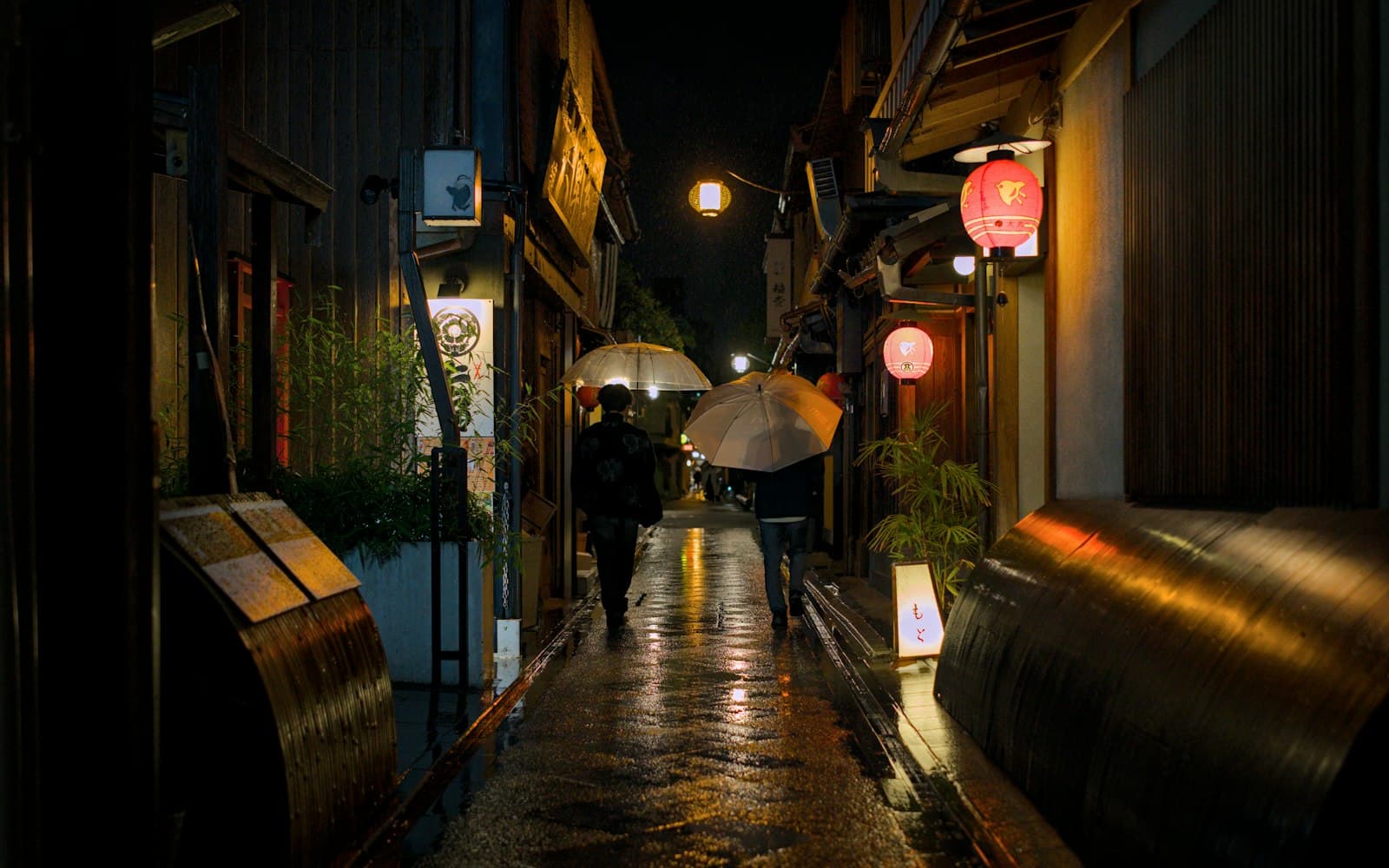
Kyoto in tsuyu is breathtaking. The city's moss gardens, bamboo groves, and temple grounds reach peak greenness, and the rain transforms even ordinary streets into the kind of atmospheric scenes that draw photographers worldwide.
If you have to choose one Japanese city to visit during rainy season, Kyoto is arguably the best. The combination of traditional architecture and constant rainy mist creates uniquely beautiful conditions you will not see in any other season.
Osaka Rainy Season 2026 Dates
2026 (JMA preliminary): June 4 to July 8 — Osaka shares the Kinki region with Kyoto, so the two always move together.
Osaka shares almost identical rainy season dates with Kyoto. The two cities sit close enough that JMA groups them in the same Kinki region forecast.
Osaka's covered shopping arcades — Shinsaibashi, Tenjinbashisuji, Dotonbori — make it especially navigable on rainy days. Tenjinbashisuji is the longest covered shopping arcade in Japan at 2.6 km, an entire neighborhood you can explore without ever stepping outside.
Nagoya and Central Japan
2026 (JMA preliminary): June 7 to July 20 — Tokai ran with Kanto rather than with Kinki this year.
Nagoya, the largest city in central Japan, follows the Tokai region pattern. Tsuyu here brings similar conditions to Tokyo and Kyoto: humid, intermittent rain, and overcast skies broken by occasional sun.
Nagoya is often skipped by international travelers, which makes it especially pleasant during rainy season — you will experience even fewer crowds than in Kyoto or Tokyo.
Fukuoka and Southern Kyushu
2026 (JMA preliminary): June 4 to July 8 — on time in, eleven days early out.
Fukuoka and the rest of northern Kyushu enter rainy season earlier than the main Honshu cities. Southern Kyushu (Kagoshima, Miyazaki) typically starts a few days before Fukuoka.
Southern regions can also experience heavier rainfall during tsuyu, occasionally with torrential downpours that briefly disrupt train service. Pack a sturdier rain jacket if your itinerary includes Kyushu.
Sendai and the Northern Tohoku Region
2026 (JMA preliminary): June 20 to August 4 — eight days late in and eleven days late out, an unusually long northern season.
Sendai and the broader northern Tohoku region enter tsuyu about a week after Tokyo. Rainfall amounts are typically lower, and cooler temperatures make it more comfortable than central Japan.
For travelers seeking to escape the worst of Tokyo's humidity, a Tohoku detour during late June can be a smart move. Cities like Sendai, Yamagata, and Aomori see fewer rainy days and milder humidity.
Sapporo: Japan's Northernmost Main Island
No formal rainy season.
Hokkaido — including Sapporo, Hakodate, and Asahikawa — does not experience tsuyu in any official sense. JMA does not declare a rainy season for the region.
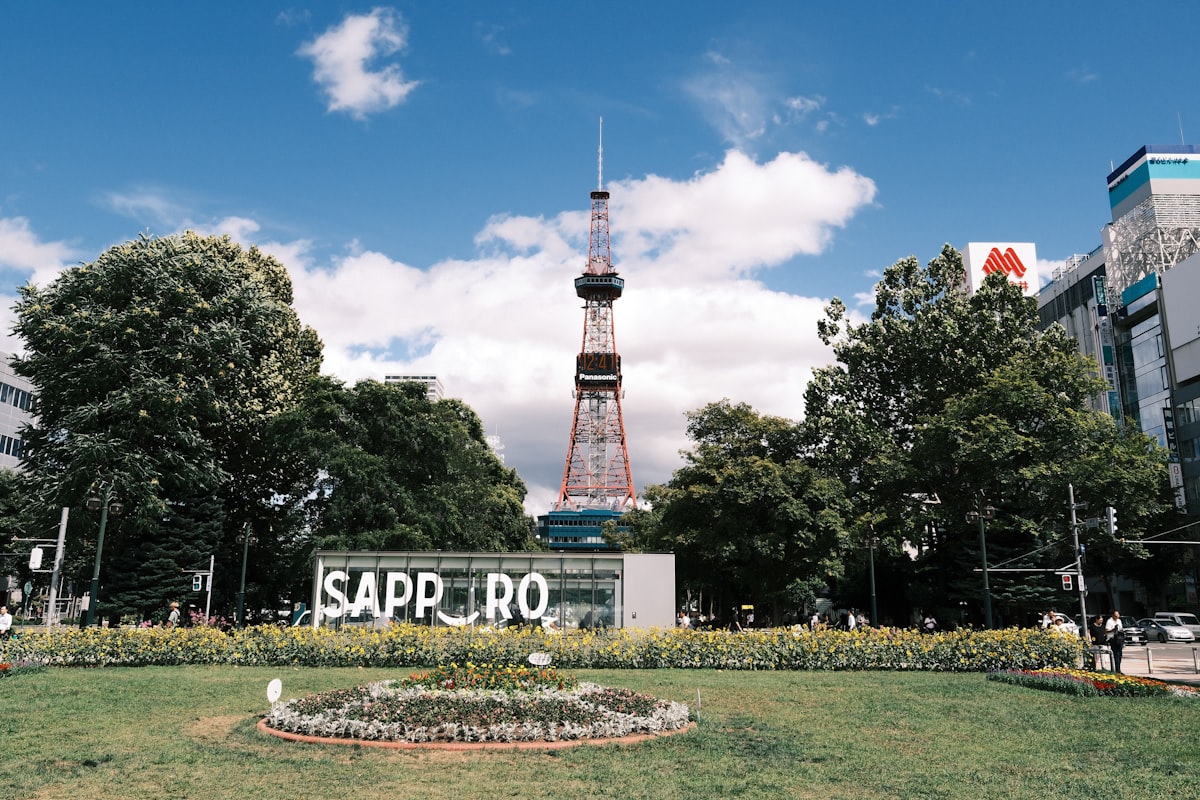
If you are determined to avoid rain entirely, Hokkaido is your answer. Cooler temperatures, pleasant weather, and dry skies dominate June and early July across the island. Furano's lavender fields, Biei's patchwork hills, and the eastern wilderness all shine during this window. See our Hokkaido tour package guide for ready-made routes.
Naha and the Southern Regions (Okinawa)
2026 (JMA preliminary): May 4 to June 29 — six days early in, eight days late out.
Okinawa's rainy season starts and ends earlier than the rest of Japan. By the time Tokyo and Kyoto are entering tsuyu, Naha and the southern regions are wrapping up theirs.
This makes early July spectacular in Okinawa — clear skies, warm beaches, and minimal crowds before the August peak.
A clever itinerary for early July visitors: spend your first week in mainland Japan during the tail end of tsuyu, then fly south to Okinawa for week two when the southern regions have fully cleared.
Weather Patterns During Rainy Season
Understanding daily weather patterns during tsuyu helps you plan smartly.
Light Rain, Heavy Rain, and Torrential Downpours
Most tsuyu rain is light rain — drizzly, intermittent, and easy to walk through with a compact umbrella. You will get plenty of these days.
Heavy rain is less common but does occur, often in the afternoon or evening. Rain jackets and waterproof shoes earn their keep on these days.
Torrential downpours — true sheets of water — are rare but possible, especially in southern Japan and during the late stages of rainy season as the front weakens. Trains can briefly suspend service, but disruptions usually last only a few hours.
Overcast Skies and Cooler Temperatures
Even on dry days during tsuyu, expect overcast skies. Direct sunlight is rare. The diffused light is actually flattering for photography, particularly at temples and gardens.
Cooler temperatures often accompany rain. Tokyo daytime highs during tsuyu average 25°C, but rainy days can drop to 21°C — chilly enough to want a light jacket.
Mornings and evenings are noticeably cooler than midday, especially in mountain areas. Plan layered outfits accordingly.
Wet Streets and Daily Conditions
Wet streets are the constant during tsuyu. Cobblestoned areas like Gion in Kyoto or Asakusa in Tokyo can become slippery; waterproof shoes with good grip help.
Indoor humidity rises noticeably. Many travelers report wet clothes that will not fully dry overnight in budget accommodations. Compact ryokan and capsule hotels can be especially humid; airy modern hotels less so.
If you are packing limited outfits, choose synthetics over cotton — they dry overnight even in humid conditions, while cotton can stay damp for days.
What to Pack for Japan's Rainy Season
Now the practical part. Packing right for tsuyu transforms the experience from frustrating to genuinely enjoyable.
Tsuyu packing checklist:
- • Lightweight, packable rain jacket (Gore-Tex or similar)
- • Waterproof or quick-dry walking shoes
- • Backup pair of dry, quick-dry socks per travel day
- • Compact umbrella (or buy one in Japan for ¥500-700)
- • Waterproof daypack or rain cover for your bag
- • Light jacket or merino layer for cooler evenings
- • Synthetics over cotton for shirts and underwear
- • Sunscreen (the sun still breaks through)
Rain Jacket Choices
A lightweight, packable rain jacket is the single most useful item you can bring. Look for something breathable (Gore-Tex or similar) that compresses small enough to fit in a daypack.
Avoid heavy waterproof coats — they are overkill for Japan's typically warm rain and will leave you sweating more than the rain ever could.
If you forget to pack one, Uniqlo, Workman, and Don Quijote stock affordable rain jackets in every major city. Workman in particular is famous in Japan for cheap, high-quality rain gear that lasts for years.
Waterproof Shoes and Wet Shoes Solutions
Waterproof shoes are essential. Wet shoes are the single biggest comfort issue during tsuyu — walking 15,000 steps per day in soaked shoes is miserable.
Good options include waterproof hiking shoes, Gore-Tex sneakers, or rubber-soled walking shoes. If your trip includes hiking trails (especially in Kyoto's outskirts or near Mount Fuji), waterproofing becomes even more critical.
Pack a backup pair of dry socks for each travel day. Quick-dry socks (wool or synthetic) outperform cotton dramatically.
If your shoes do get soaked, stuff them with newspaper overnight — every Japanese convenience store sells newspapers cheaply, and the trick works remarkably well.
Compact Umbrella vs Larger Umbrella
A compact umbrella is sufficient for most tsuyu conditions. Most rain is not heavy enough to require a full-sized umbrella, and compact models fit easily in daypacks and tote bags.
If you forget yours, Japanese convenience stores stock disposable plastic umbrellas for 500-700 yen. They are functional but flimsy. Lawson, FamilyMart, and 7-Eleven all carry them.
For longer trips or photography-heavy days, consider a larger umbrella — they shield camera bodies better and are more comfortable for two people walking together.
Waterproof Bag Options
A waterproof bag — or at minimum a rain cover for your daypack — protects electronics, passports, and souvenirs. Many modern daypacks include built-in covers; check before you fly.
Dry bags or zip-lock bags inside a regular backpack also work as a budget solution. For camera gear, a dedicated waterproof camera bag is worth the investment.
Light Jacket for Cooler Temperatures
Beyond the rain jacket, a thin light jacket or long-sleeve layer is useful for cool early mornings and over-air-conditioned restaurants.
Cooler temperatures during rainy season catch many travelers off guard — they expect peak summer heat and pack only short sleeves. A simple cardigan or merino layer solves this.
Rainy Day Plans and Indoor Activities
When the rain falls heavily, indoor activities save the day. Japan excels at indoor attractions.
Indoor Attractions in Tokyo
Tokyo's indoor attractions are unmatched globally. teamLab Planets and teamLab Borderless lead the list — immersive digital art experiences that feel even more magical on rainy days.
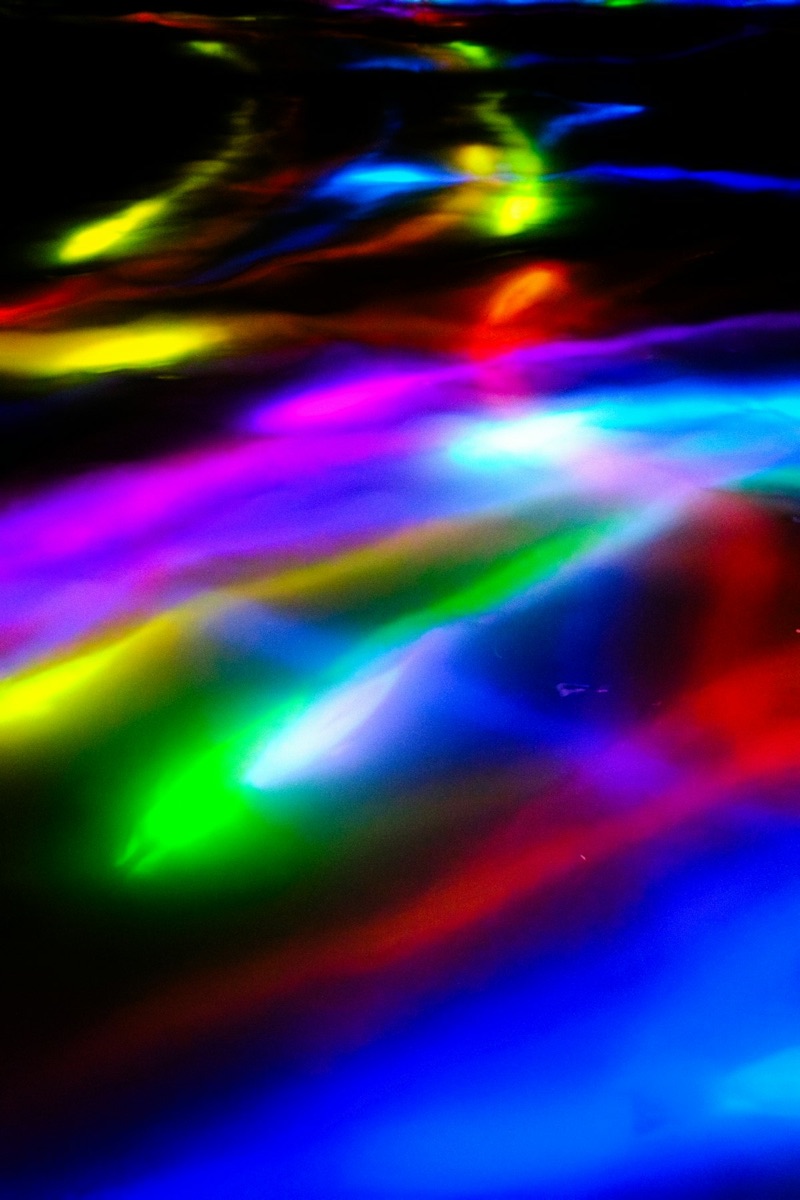
The Tokyo National Museum in Ueno, the Mori Art Museum in Roppongi, and the Edo-Tokyo Museum offer deep cultural dives. Shibuya Sky's observatory becomes magical at sunset even with overcast skies.
Underground shopping arcades like those beneath Tokyo Station and Shinjuku connect entire neighborhoods without going outside. Tokyo Station alone has over 600 shops and restaurants in its underground complex.
Indoor Attractions in Kyoto
Kyoto's indoor attractions trade hands with the city's famous outdoor sites. The Kyoto National Museum, the Manga Museum, and traditional craft workshops fill rainy days well.
Many of Kyoto's covered temple complexes — Higashi Honganji, Nishi Honganji — offer hours of exploration without exposure to the rain. Tea ceremonies, kimono rentals, and indoor cooking classes are also memorable rainy-day options.
The Kyoto Railway Museum and the Samurai & Ninja Museum near Nishiki Market are particularly fun for families with kids.
Indoor Attractions in Osaka
Osaka's covered shopping arcades — Tenjinbashisuji is the longest in Japan — offer kilometers of indoor walking. Shinsaibashi and Dotonbori's covered sections double as food paradise.
The Osaka Aquarium Kaiyukan, Universal Studios Japan, and the Umeda Sky Building's indoor levels provide full-day options. Universal Studios is a mixed bet in the wet — the grounds are open-air, so you cross between areas in whatever the weather is doing — but many of the headline attractions are fully enclosed, including Harry Potter and the Forbidden Journey, Mario Kart: Koopa's Challenge and Despicable Me: Minion Mayhem, plus several indoor theaters. Pack rain gear and it still works. The National Museum of Art Osaka is another excellent rainy-day choice.
Outdoor Sightseeing Between Showers
Do not write off outdoor activities entirely. Most tsuyu days have multi-hour dry windows, and outdoor sightseeing during these gaps reveals Japan at its most atmospheric.
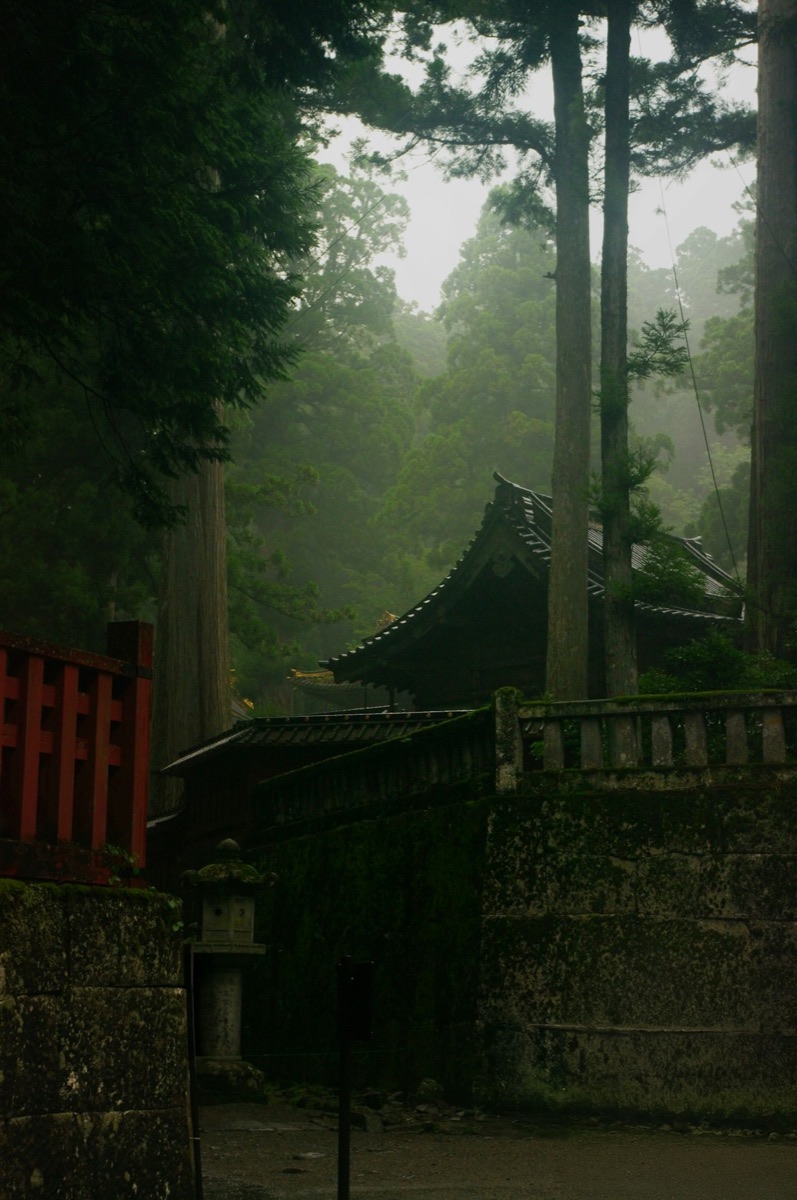
Hiking trails near Tokyo and Kyoto can be hiked safely during light rain with proper gear. Kurama-Kibune in Kyoto, the Nakasendo Trail in central Japan, and Hakone's Old Tokaido Road all become magical in misty weather. See our Nakasendo trail guide for the full route.
Just check weather forecasts in advance and avoid hiking during heavy rain warnings — flash floods can be dangerous in mountainous terrain.
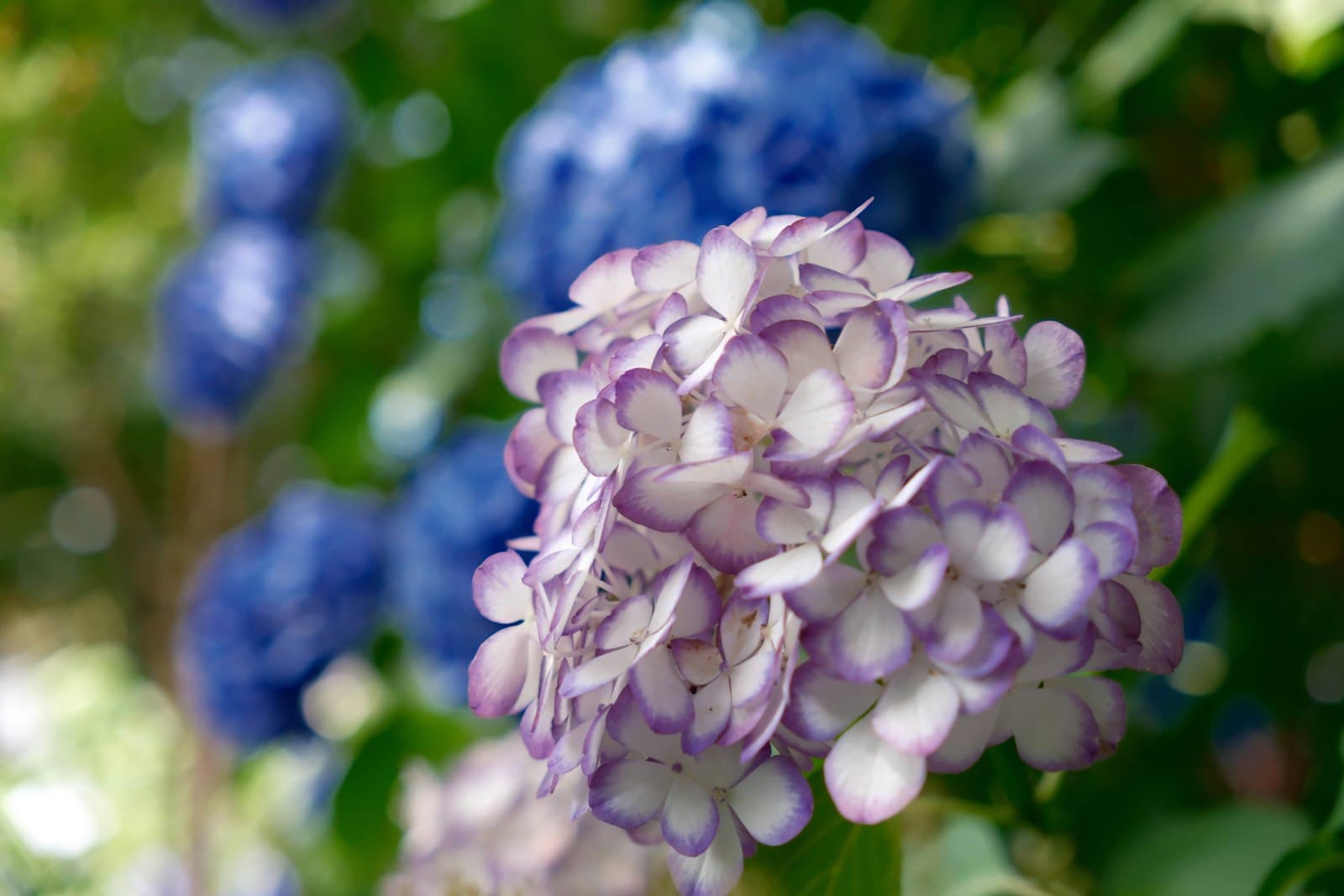
Hydrangea-themed temples are another rainy-season specialty. Meigetsu-in in Kamakura, Mimuroto-ji in Uji, and Hakusan Shrine in Tokyo all reach peak hydrangea bloom during tsuyu and look most beautiful with rain on the petals. See our Japan in June 2026 guide for hydrangea spots and timing.
Hot Springs: A Rainy Season Highlight
Natural hot springs (onsen) are one of tsuyu's underrated highlights. The contrast between soaking in 42°C water while watching rain fall on lush greenery is one of Japan's signature experiences.
Hakone, Kusatsu, Kurokawa, Beppu, and Nyuto Onsen all shine during rainy season. Outdoor baths (rotenburo) feel particularly special — the rain hitting your shoulders while the rest of your body stays warm in the water creates an unforgettable contrast.
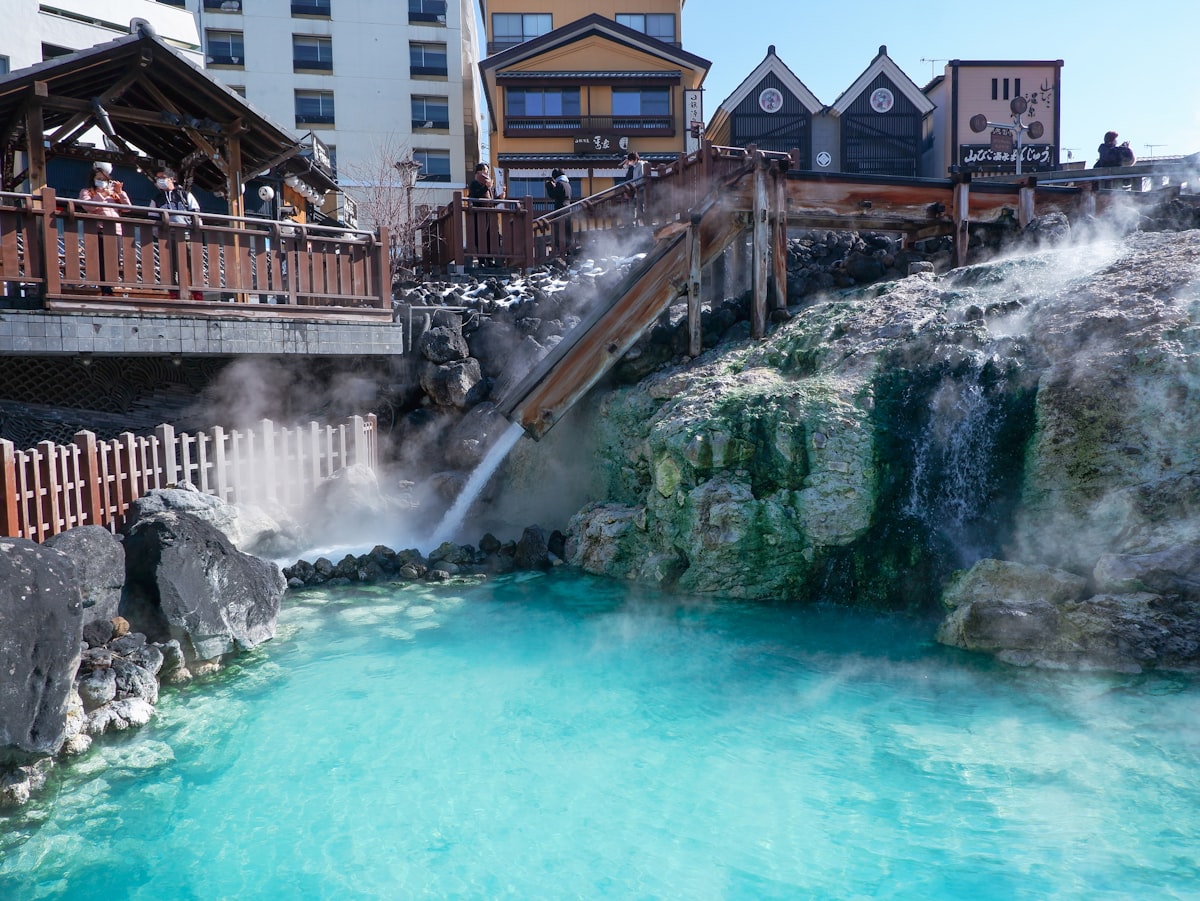
Many ryokan offer multi-day stays with all meals included, making them ideal rainy-day retreats. You can spend most of the day in the baths, the lounge, or your room without ever needing waterproof gear.
For first-time onsen visitors, look for facilities that offer private family baths (kashikiri-buro) — these allow you to soak without the public-bath experience some travelers find intimidating. See our onsen guide for full etiquette and tips.
Onsen towns also tend to remain affordable during rainy season. Many premium ryokan that sell out months in advance during cherry blossom or autumn foliage seasons have surprising availability in June, often at 30-40% lower rates. If you have ever wanted to try a luxury Japanese inn experience, tsuyu is the budget-friendly window to do it without compromising on quality.
Summer Festivals During and After Rainy Season
Tsuyu coincides with the early end of spring festivals and runs into the start of major summer festivals.
Late June still hosts hydrangea-themed festivals at temples across Japan. Early July brings the start of Tanabata festivals, the Gion Matsuri in Kyoto (running through July), and countless local matsuri.
Major summer festivals like the Sumida River Fireworks (late July) and the Tenjin Matsuri in Osaka (July 24-25) start as rainy season ends, marking the transition to peak summer.
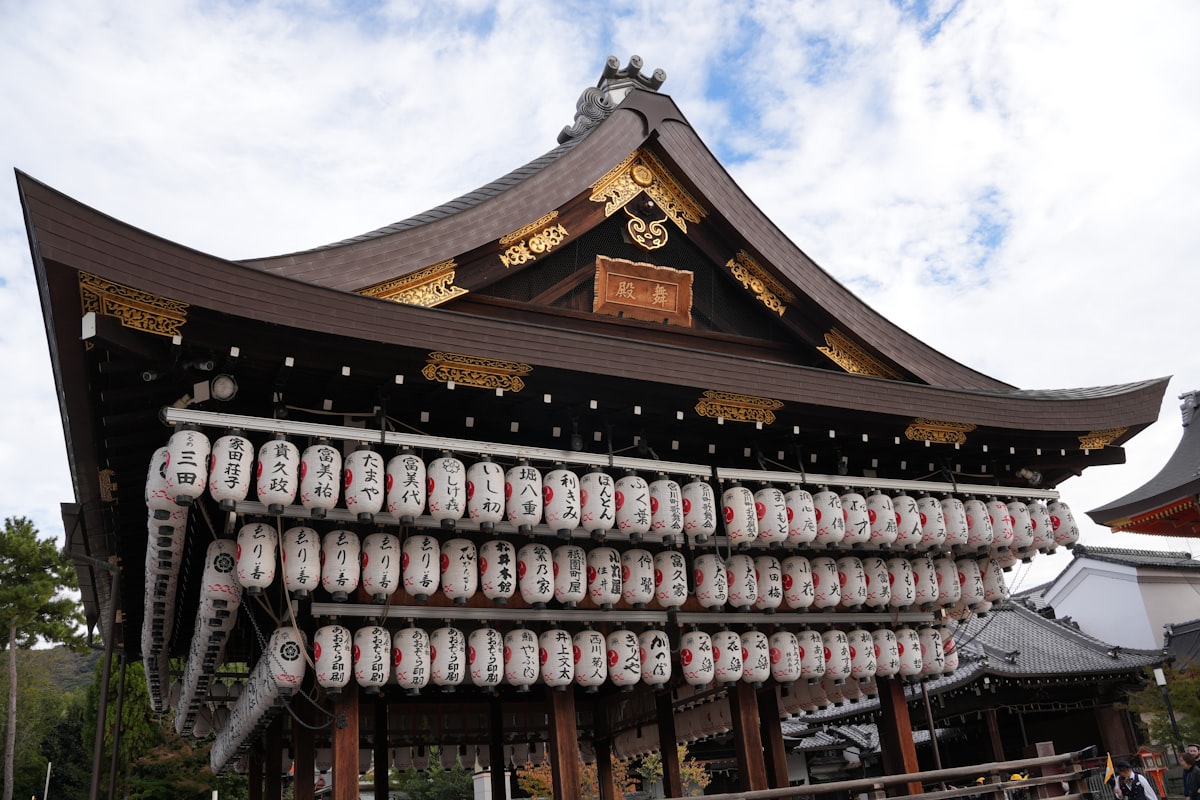
Some travelers time trips specifically to overlap with the end of tsuyu and the beginning of these major summer festivals — getting the value of rainy season pricing while catching the early summer celebrations.
How Rainy Season Compares to Other Seasons
Not sure which month suits you? Our guide to the seasons in Japan lines up all twelve months side by side — weather, crowds, prices and what is in bloom.
Japan's distinct seasons each have their character. Here is how rainy season stacks up.
Rainy Season vs Cherry Blossom Season
Cherry blossom season (late March through early April) is Japan's most crowded and most expensive travel window. Peak bloom triggers massive demand from both domestic and international travelers, with cherry blossom viewing parties (hanami) packing every park.
Rainy season offers the opposite: fewer tourists, far lower prices, and a quieter atmosphere. The trade-off is rain — but if cherry blossom viewing is not your priority, tsuyu often delivers a more peaceful experience overall. For more on pricing, see our Japan affordability guide.
Rainy Season vs Autumn Foliage
Autumn foliage (late November into early December in Tokyo and Kyoto, earlier in the mountains and the north) rivals spring as Japan's most beautiful season. Crisp air, golden ginkgo trees, and red maples make for spectacular photography. Timing shifts by a week or two each year — our Japan autumn leaves forecast has the current window.
Crowds during peak foliage in Kyoto rival cherry blossom season. Rainy season has the advantage of dramatically fewer tourists, but you trade fall colors for lush greenery and hydrangeas.
Rainy Season vs Winter Months (December-February)
December-February brings cold air, occasional snow, and dramatically different scenery. Northern Japan and the Japan Alps see snow monkeys soaking in hot springs, winter illuminations across major cities, and world-class skiing in Hokkaido and Nagano.
If you are after natural hot springs experiences, winter months arguably beat rainy season — outdoor onsen with snow falling are unforgettable. But rainy season offers warmer temperatures and easier travel logistics.
Avoid Golden Week, Embrace Pre-Tsuyu
If you want to visit Japan in late spring without rain, the window between Golden Week and the start of tsuyu is your best bet.
Golden Week (April 29 - May 6) is Japan's busiest domestic travel period. Avoid Golden Week if you can: prices triple, every popular attraction is jammed, and bullet trains run at capacity. See our Japan in May 2026 guide for full details.
The two and a half weeks immediately after Golden Week (May 7 through May 24) bring pleasant weather, dry skies, late cherry blossoms in northern Japan, and far fewer tourists. Many seasoned Japan travelers consider this window the actual best time to visit Japan in the entire calendar year.
After May 24, daily rain probability climbs steeply as tsuyu approaches. If your dates are flexible, target May 7-24. If they are not, prepare for rain.
Should First Time Visitors Visit During Rainy Season?
For first time visitors to Japan, the standard advice is to avoid Golden Week and target either cherry blossom season or autumn foliage.
Rainy season is rarely a first choice — but it should not be ruled out. First time visitors who prioritize fewer crowds, lower prices, and a more authentic feel often find tsuyu rewarding once they accept the rain as part of the experience.
If your trip is strictly limited to a single visit, peak seasons probably win for the iconic photo opportunities. If you have been to Japan before — or you are returning multiple times — rainy season deserves serious consideration.
The biggest argument against tsuyu for first time visitors is photo expectations. The Mount Fuji shots, the cherry blossoms, the perfect blue-sky temple photos — these are harder to capture during rainy season. If those images are non-negotiable, choose a different month.
Best Time to Visit Japan: Where Rainy Season Fits
When asked the best time to visit Japan, locals and seasoned travelers usually answer either spring (mid-April to early May) or autumn (October to late November).
Rainy season ranks third or fourth on most lists. But "third best" out of twelve months still puts it ahead of January's cold and the August-September stretch that pairs brutal heat with the peak of typhoon season.
For visitors seeking value, depth, and a less touristy experience, rainy season can genuinely be the best time to visit — particularly for return travelers who have already done the headline sites.
Pleasant Weather Spots: Avoiding Tsuyu in Japan
If you are committed to visiting Japan during June or early July but want to minimize rain, two destinations let you sidestep tsuyu almost entirely.
Hokkaido is the obvious choice. The northernmost main island stays dry while the rest of Japan deals with rainy days. Sapporo, Furano, Biei, and the eastern wilderness all see pleasant weather throughout June.
Okinawa's rainy season ends in late June, so the first week of July brings clear skies, hot weather, and beach conditions. If your dates fall in early July, splitting time between rainy mainland Japan and dry Okinawa makes for an ideal contrast.
A third option for the determined: high-elevation destinations like Karuizawa, the Japan Alps, and the Kamikochi region see less rainfall and cooler temperatures than the central Japan lowlands. Not as dry as Hokkaido, but a clear improvement over Tokyo or Kyoto.
Want a tsuyu-aware itinerary?
We design self-guided trips that thread the rainy season — pairing Tokyo and Kyoto with Hokkaido, Okinawa, or onsen towns so you trade rain for value, not for a bad trip. Tell us your dates and we will tell you the smartest split.
Tips to Explore Japan During Rainy Season
A few practical tips to make tsuyu work for you.
Check weather forecasts daily. Japanese forecasts are highly accurate and most apps will give you hour-by-hour predictions — useful for timing outdoor sightseeing between showers.
Embrace early mornings. The rain often starts mid-morning or afternoon; getting out by 7 AM frequently gives you 2-3 dry hours at popular sites with almost no other tourists.
Build flex into your itinerary. Do not lock yourself into outdoor-only days. Mix indoor and outdoor plans so you can pivot when the rain falls heavily.
Carry sun protection anyway. Even during tsuyu, the sun breaks through periodically and is surprisingly strong. Sunscreen and a hat help.
Take advantage of natural hot springs. Onsen towns like Hakone, Kusatsu, and Kurokawa shine during rainy season — the contrast of soaking in hot water while watching rain fall is one of Japan's signature experiences.
Stay near major cities for convenience. If you are worried about weather disruptions, basing yourself in Tokyo, Osaka, or Kyoto gives you maximum indoor and outdoor options without long, weather-dependent train rides.
Use convenience stores liberally. Lawson, FamilyMart, and 7-Eleven sell umbrellas, ponchos, hot drinks, dry socks, and even cheap towels — perfect emergency supplies when caught in unexpected rain.
Final Thoughts: Embracing Japan's Distinct Seasons
Japan's rainy season is one of the country's four genuinely distinct seasons — each with its own character, food, festivals, and feel.
The travelers who fall in love with tsuyu tend to be the ones who lean into it: walking through Kyoto's misty bamboo groves, photographing rain-washed temples, sipping matcha while watching rain fall on a moss garden, soaking in natural hot springs at the end of a damp day.
If you are flexible with your dates, prioritize fewer crowds and lower prices, and do not mind a daily umbrella check, the Japan rainy season 2026 might just give you a Japan trip that is quieter, greener, and more memorable than anything peak season could offer.
Pack the rain jacket. Bring waterproof shoes. Plan for indoor and outdoor mix. And let the plum rain show you a side of Japan most travelers never see.
Planning a trip to Japan in June or early July? Get in touch through Plan My Trip on our self-guided tours site, and we'll suggest the tours that best fit your dates and plans.
Japan's Rainy Season: FAQ
When is Japan's rainy season in 2026?
It is already over. JMA's preliminary figures for 2026: Okinawa May 4 to June 29; northern Kyushu (Fukuoka) June 4 to July 8; Kinki (Kyoto, Osaka) June 4 to July 8; Tokai and Kanto-Koshin (Nagoya, Tokyo) June 7 to July 20; Hokuriku and Tohoku June 20–21 through August 4, an unusually late finish. Hokkaido has no declared rainy season. JMA confirms the dates after reviewing the season and can shift one by a day or two, so check the JMA page for the final numbers.
Do Tokyo, Kyoto and Osaka have the same rainy season dates?
No — in 2026 they split. JMA declares tsuyu by region: Tokyo sits in Kanto-Koshin, which ran June 7 to July 20, a 44-day season one day longer than its 43-day normal. Kyoto and Osaka both sit in Kinki, which ran June 4 to July 8 — 11 days before its normal July 19 close, and 12 days before Tokyo. Kyoto and Osaka always match each other; Tokyo can differ by over a week. These are JMA preliminary figures as of late August 2026, and confirmation can still move a date.
Is it a good idea to visit Japan during the rainy season?
It suits some travelers. Tsuyu brings fewer tourists, lower prices — ryokan that sell out in spring and autumn often run 30–40% cheaper — peak greenery in Kyoto's moss gardens, hydrangeas, and diffused light that flatters temple photography. The cost is a daily umbrella, high humidity, and clothes that dry slowly. First-time visitors set on blue-sky Mount Fuji and cherry blossom photos should pick another month.
What should I pack for Japan's rainy season?
Pack a lightweight, packable rain jacket (Gore-Tex or similar), waterproof or quick-dry shoes, backup quick-dry socks, a compact umbrella (or grab a clear plastic one in Japan — roughly ¥600–750 at a convenience store, ¥330 at a 100-yen shop like Daiso), a waterproof daypack or rain cover, a light layer for cooler evenings, and synthetic shirts (not cotton — cotton stays damp). Sunscreen still matters because the sun breaks through periodically.
Where can I escape the rainy season in Japan?
Hokkaido — JMA does not declare a rainy season there, so Sapporo, Furano, Biei, and the eastern wilderness stay dry through June. Okinawa runs on an earlier cycle, normally clearing around June 21, so early July is usually past tsuyu in the Okinawa islands. That does not extend to Kyushu or Shikoku, which stay in tsuyu into mid-July — heading south only helps if you mean the islands. Karuizawa averages 155mm of June rain against Tokyo's 168mm. Pairing mainland cities with Hokkaido or Okinawa is the usual fix.
Does Hokkaido have a rainy season?
No. JMA does not declare tsuyu for Hokkaido, so Sapporo, Hakodate, Asahikawa, Furano, and Biei skip the stationary front that sits over the rest of the archipelago from early June into mid-July. Cooler temperatures, pleasant weather, and dry skies dominate June and early July across the island — Furano's lavender fields, Biei's patchwork hills, and the eastern wilderness all shine in that window. It still rains occasionally; there is simply no rainy season to sit through.
Is Japan's rainy season the same as monsoon season or typhoon season?
Monsoon, essentially yes. Tsuyu — what many travelers call Japan's monsoon season — is the early-summer stage of the East Asian monsoon: a stationary front over the archipelago from roughly early June to mid-July, later in the north. Ordinary tsuyu rain is light to moderate and rarely stops trains. Typhoons are a separate system, mainly July to October, peaking in August and September — but not cleanly separate: two crossed Japan during tsuyu in late June 2026, with airline cancellations. Tsuyu is lower typhoon risk, not zero.
Can I see hydrangeas during Japan's rainy season?
Yes — hydrangeas (ajisai) are a rainy-season specialty in Japan. Meigetsu-in in Kamakura, Mimuroto-ji in Uji near Kyoto, and Hakusan Shrine in Tokyo all reach peak hydrangea bloom during tsuyu and look most beautiful with rain on the petals. Late June still hosts hydrangea-themed festivals at temples across Japan. Bloom and festival dates vary by temple and by year, so check before you travel — our Japan in June guide covers hydrangea spots and timing.
What Comes After Rainy Season?
- Japan typhoon season 2026
Tsuyu ends, but typhoon risk continues through October and peaks in August-September — what the storm window means for your trip.
- Japan weather in August 2026
Once the skies clear, the real summer heat arrives — here is how to plan around it.
- Japan fireworks 2026
The end of tsuyu kicks off fireworks season, starting with the Sumida River Fireworks in late July.